I play a lot of acoustic guitar — decent, not great, mostly self-taught, most nights after everyone else has gone to bed — and for a while now my setup has been a Taylor acoustic-electric with a built-in under-saddle pickup, plugged into whatever amp happens to be closest. What I’d never actually done is go shopping for the gear that’s built specifically around that setup: the stuff that fixes the thin, quacky tone a piezo pickup is known for, keeps the guitar itself from drying out, and makes practicing and gigging with it less of a hassle. So I built the list: ten things, ranked, verified against each maker’s own product page, that solve a real, specific problem for exactly this kind of player. Here’s the countdown.
10. String Swing Guitar Wall Hanger — a Pivoting Hardwood Yoke Rated to 15 Lbs, and the Company Says Its Wall Mounts Have Held Over 10 Million Guitars Since 1987
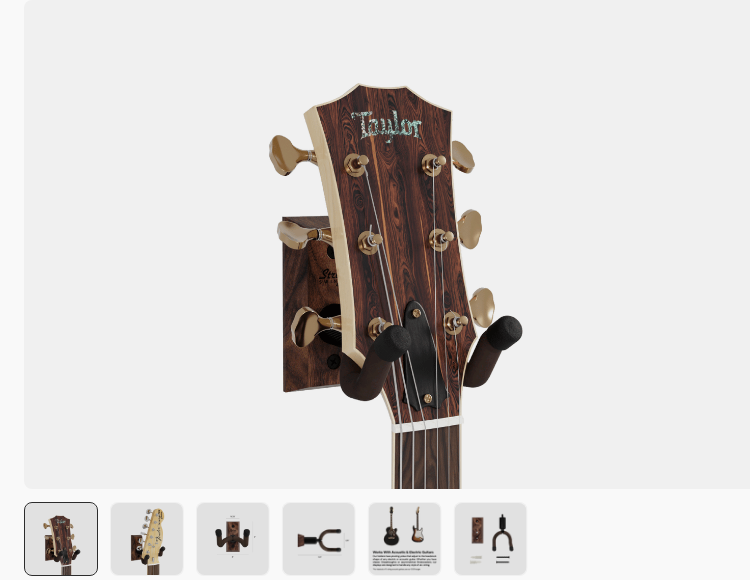
String Swing’s guitar wall hanger uses a pivoting hardwood yoke that cradles the neck just behind the headstock, rated to hold up to 15 lbs, with the guitar’s own weight doing the work rather than a strap or clamp under tension. The company has been making these in the US since 1987, and its own product materials put the installed base at more than 10 million guitars held over that span. Source: String Swing, official product page.
For a guitar that actually gets played instead of left in its case, a wall hanger like this is the cheapest habit-forming purchase on this whole list — it’s the difference between an instrument you have to go dig out and one that’s just sitting there, in tune, inviting you to pick it up.
9. D’Addario NS Micro Soundhole Tuner — a Chromatic Tuner That Clips Inside the Soundhole Itself, Not the Headstock

Most clip-on tuners attach to the headstock and read pitch through vibration in the wood there. D’Addario’s NS Micro Soundhole Tuner instead clips discreetly inside the soundhole and reads vibration through a piezo transducer taken directly off the soundboard — the part of the guitar actually producing the sound. It’s fully chromatic, with a 435–445 Hz calibration range, and it stays out of view entirely while you play instead of sitting in front of your face on the headstock. Source: D’Addario, official product page.
8. G7th Performance 3 Capo — “Adaptive Radius Technology” That Molds to Your Fretboard’s Actual Curvature
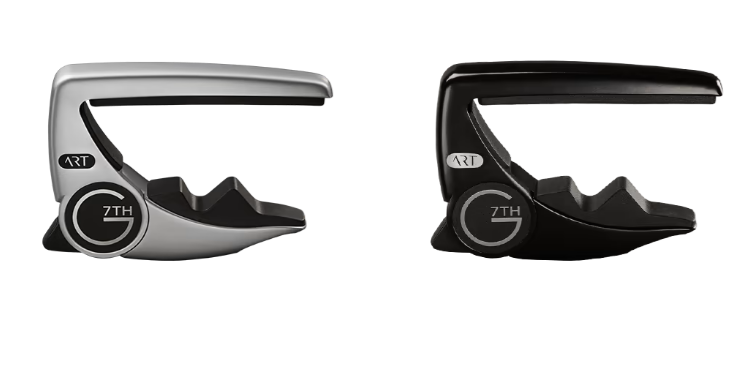
At roughly $37, G7th’s Performance 3 uses what the company calls Adaptive Radius Technology: instead of clamping down with one flat, rigid bar, the capo flexes to actually match the curve of your specific fretboard. That matters more than it sounds like it should — a capo that’s too loose buzzes, one that’s too tight sharpens every note it’s pressing down, and a flat clamp on a curved fretboard is basically guaranteed to be one or the other on at least a couple of strings. Source: G7th, official product page.
7. D’Addario Two-Way Humidification System (Humidipak) — the Exact 45–50% Humidity Range Taylor Itself Recommends, Maintained Automatically
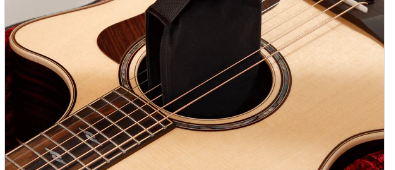
An acoustic guitar’s solid wood top, back, and sides expand and contract with humidity, and Taylor’s own guidance is to keep an acoustic guitar in the 45–50% relative humidity range for the instrument to stay stable. D’Addario’s Humidipak system does that automatically and in both directions — the packets add moisture when the air is too dry and pull it back out when the air is too damp, rather than just being a one-way humidifier that can overshoot. A set of three packets, kept inside a sealed case or the included mesh pouch, lasts roughly two to six months depending on conditions. Source: D’Addario, official product page.
6. Elixir Nanoweb Phosphor Bronze Strings — an Ultra-Thin Coating That Keeps Grime Out of the Windings and Cuts Finger Squeak Before It Ever Hits the Pickup

Elixir’s NANOWEB coating wraps the entire string, including the gaps between the windings where grime and finger oil normally settle in and deaden tone over time. The practical upside for a plugged-in acoustic-electric setup specifically: less finger squeak sliding along the wound strings, which a piezo pickup will happily amplify right along with everything else you play. Elixir’s own marketing claims are consistent about the two headline benefits — longer tone life, and noticeably reduced string squeak versus uncoated strings. Source: Elixir Strings, official product page.
5. TC Electronic Ditto Looper — a One-Knob Pedal With Up to 5 Minutes of Loop Time and a True Bypass That Leaves Your Dry Signal Untouched
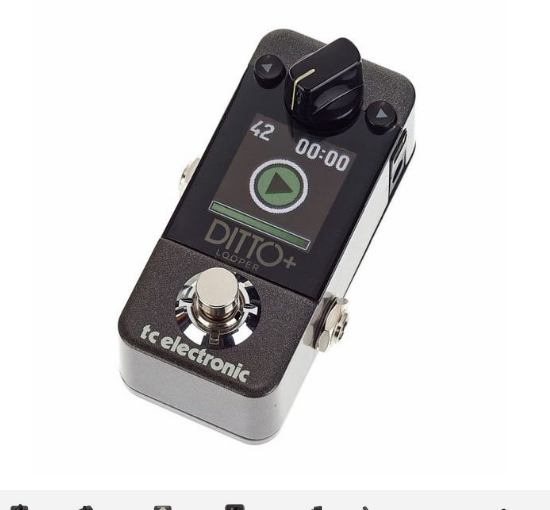
TC Electronic built the original Ditto Looper (~$84) around deliberate simplicity: one knob for level, one footswitch for record/overdub/play/stop, and up to 5 minutes of 24-bit loop time — enough to layer a rhythm part and solo over it without ever touching a menu. The true bypass design runs an “analog dry-through” path, meaning your straight guitar signal keeps running untouched even while the looper is actively recording or playing underneath it. For an acoustic-electric player working out arrangements at home or looping a rhythm pattern to practice lead lines over, it’s about as close to zero learning curve as a looper pedal gets.
4. Zoom A1 Four Acoustic Instrument Multi-Effects Pedal — Acoustic Body Modeling That Can Reshape a Pickup’s Tone Toward the Character of a Completely Different Guitar
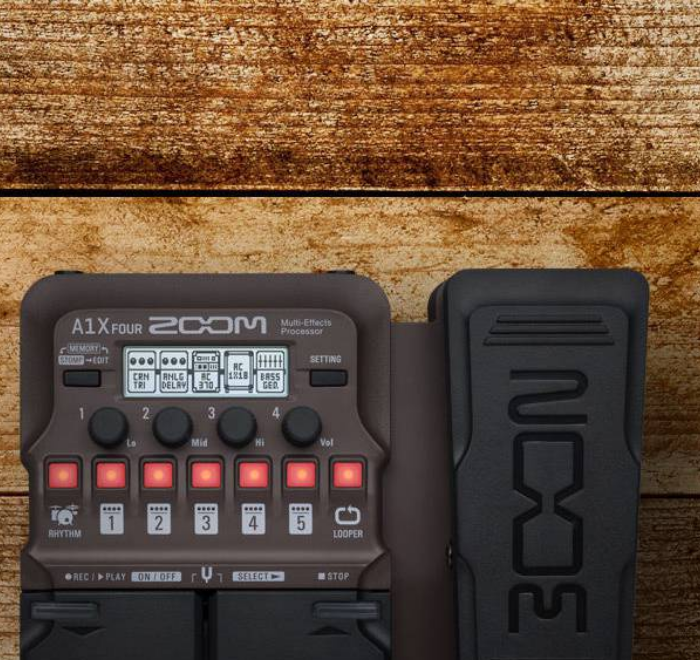
Zoom bills the A1 Four as its first multi-effects pedal designed specifically for acoustic instruments rather than adapted from an electric-guitar pedal: 80-plus effects (35-plus of them acoustic-specific), a 30-second looper, and 68 built-in rhythm patterns to practice against. The standout feature for a piezo-pickup player is acoustic body modeling, which processes the pickup’s signal to push its tone toward the character of specific guitar body shapes from builders like Martin, Taylor, Gibson, and Yamaha — effectively letting one guitar’s pickup borrow another guitar’s voice. Source: Zoom, official product page.
3. IK Multimedia iRig Acoustic Stage — a Clip-On Mic That Blends With Your Pickup to Fix the Thin, Quacky Tone Under-Saddle Pickups Are Known For
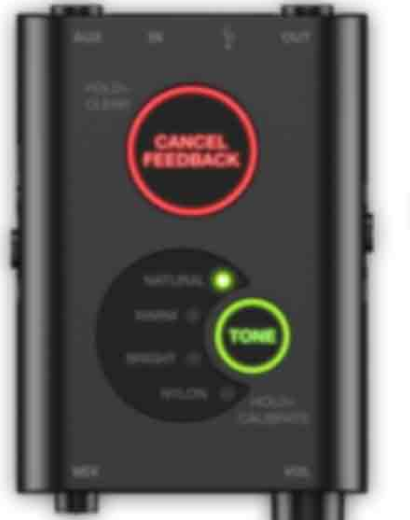
At around $120, the iRig Acoustic Stage clips a MEMS microphone directly into the soundhole, right next to an existing under-saddle pickup, then uses onboard DSP to blend the mic signal with the piezo line-in and cancel feedback in real time. That blend is the whole point: a piezo pickup alone — like the ES2 in many Taylors — is known for a thin, slightly “quacky” sound on its own, and adding a proper microphone signal back into the mix is one of the most effective ways to fix it without an outboard studio setup. It offers 6 tone presets, personal calibration for your specific guitar, and a USB digital output for recording straight into a computer. Source: IK Multimedia, official product page.
2. Fishman Loudbox Mini Charge — a 60-Watt Battery-Powered Acoustic Combo Amp Good for Up to 18 Hours With No Wall Outlet
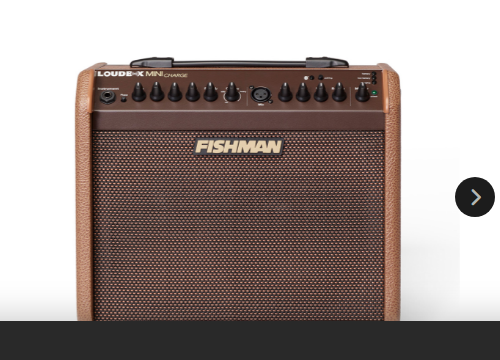
At $549.95, the Loudbox Mini Charge is a 60-watt acoustic combo amp built around an internal rechargeable battery good for up to 18 hours of use with no wall outlet required — genuinely useful for a backyard set, a porch, or anywhere an outlet isn’t guaranteed. It runs two independent channels, one for the instrument and a separate mic channel with its own EQ and effects, plus Bluetooth streaming for backing tracks and a DI output for running to a house PA. Source: Fishman, official product page.
1. LR Baggs Venue DI — the Industry-Standard Pedal Built Specifically to Tame the Classic Under-Saddle-Piezo “Quack”
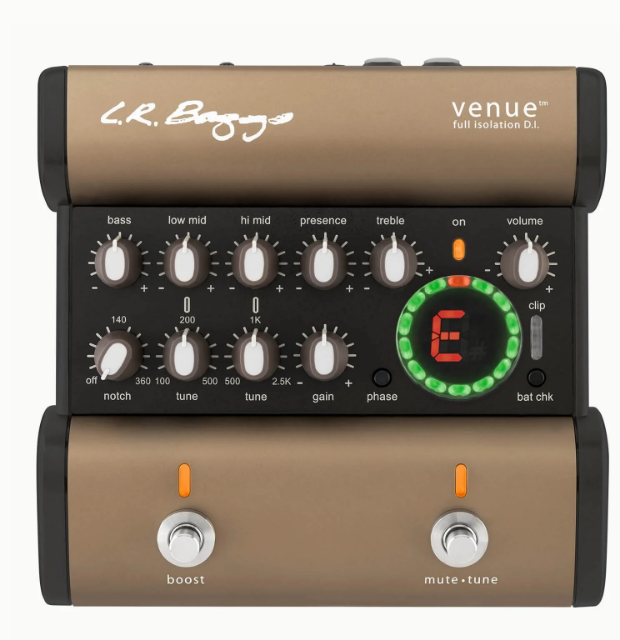
At $349, the Venue DI is the pedal that keeps coming up as the answer for exactly this setup: a full-isolation DI output, a 5-band EQ with adjustable low-mid and high-mid bands, a variable clean boost footswitch, and a built-in chromatic tuner with a mute function, all in one stompbox with an all-discrete signal path. LR Baggs built it specifically to give an under-saddle piezo pickup — the kind built into a Taylor ES2 and most acoustic-electrics like it — the kind of control and correction that pickup design alone can’t provide on its own, taming the classic thin, quacky tone piezo pickups are prone to under stage volume. Source: LR Baggs, official product page.
Ten items, one Taylor, and a whole lot more control over how it actually sounds once it’s plugged in than I had a week ago. If you’re running a similar acoustic-electric setup, the Venue DI and the iRig Acoustic Stage are the two I’d start with — between them they solve the actual root problem, which is that a piezo pickup on its own just doesn’t sound like the guitar you fell in love with in the store.