I was today days old when I learned blackjack might not even be named after what everyone assumes it’s named after — and that this is the first game in this series where a real strategy, not just picking the right table, actually swings the math in your favor. This is the fifth post in the series on how to actually play the games this site has already toured the venues for (Three Card Poker, Discovery #146; Ultimate Texas Hold’em, Discovery #147; Craps, Discovery #148; Roulette, Discovery #149). Every game so far has had a fixed house edge no matter what you do. Blackjack breaks that pattern — and this post ends with the full strategy table to prove it.
A Nevada bonus bet, or Gold Rush miners — nobody’s fully sure:
The popular story is that when the French game vingt-et-un (twenty-one) reached American gambling houses, one casino offered a 10-to-1 bonus payout for a hand of the ace of spades plus a black jack — the jack of clubs or spades — and the bonus got pulled but the nickname stuck. French card historian Thierry Depaulis has since made a strong case that it’s not that simple: he traces the name instead to Klondike Gold Rush prospectors in the 1890s, who may have borrowed “blackjack,” a term for a zinc ore often found near gold deposits, for the game’s own top-paying hand. The game itself goes back further still, to 17th-century European card games, and became the casino staple it is today after Nevada legalized gambling in 1931.
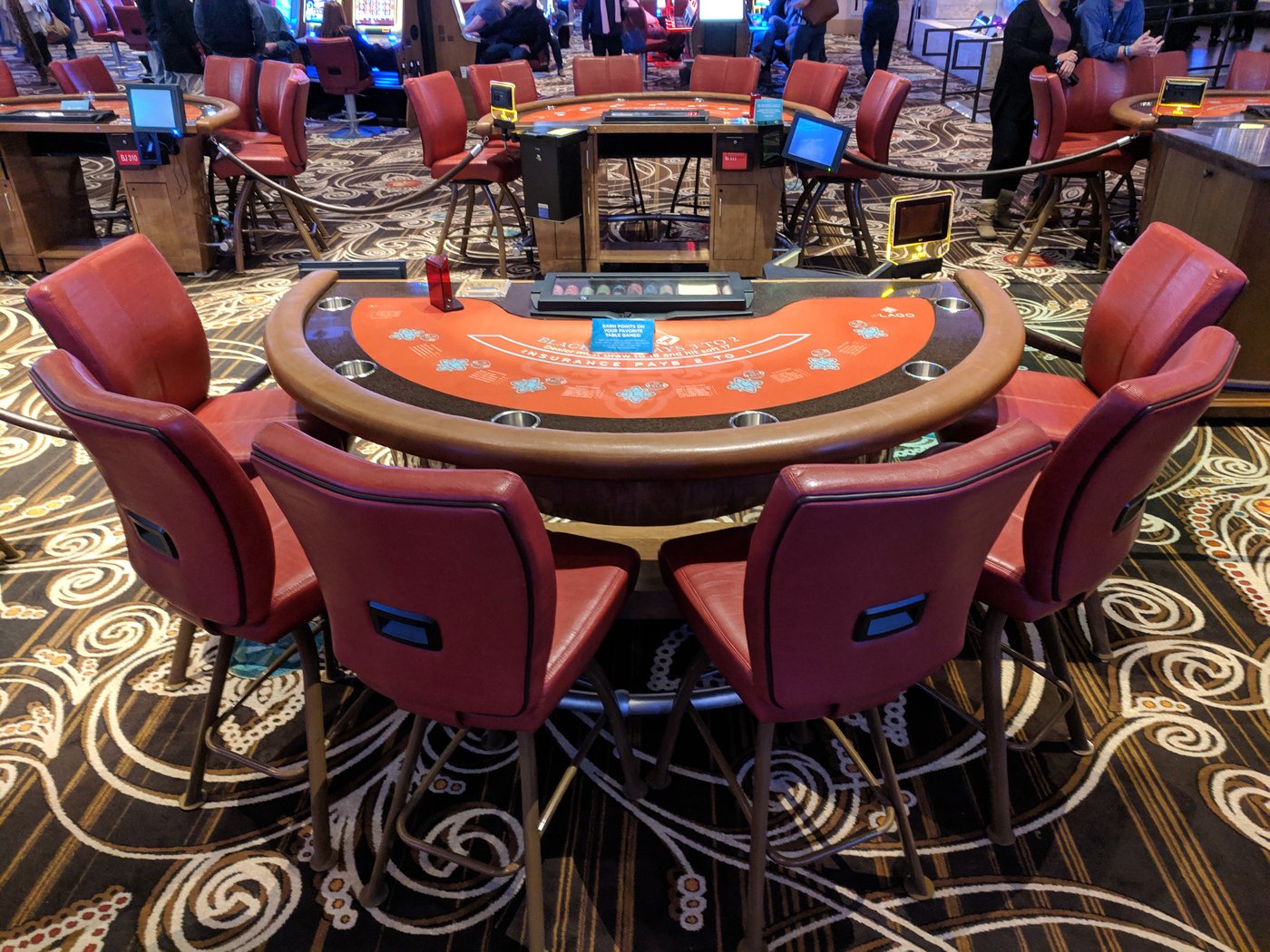
The one game in this series where strategy actually works:
Played with no strategy at all, blackjack can run a house edge above 5% — worse than roulette. But in 1962, mathematician Edward Thorp published Beat the Dealer, the first book to prove with real math that a fixed set of rules for every hand (basic strategy), combined with tracking which cards had already been played (card counting), could swing the edge in the player’s favor. The MIT Blackjack Team spent the 1980s and ’90s doing exactly that at casinos across the country, reportedly winning millions before casino surveillance caught on and banned enough players to shut the operation down. You don’t need to count cards to benefit from the math, though: playing perfect basic strategy alone, with no counting at all, brings a standard six-deck game (dealer stands on soft 17, doubling after a split allowed) down to roughly a 0.5% house edge — one of the best prices anywhere in the casino, sourced from Wizard of Odds. Here’s the full table.
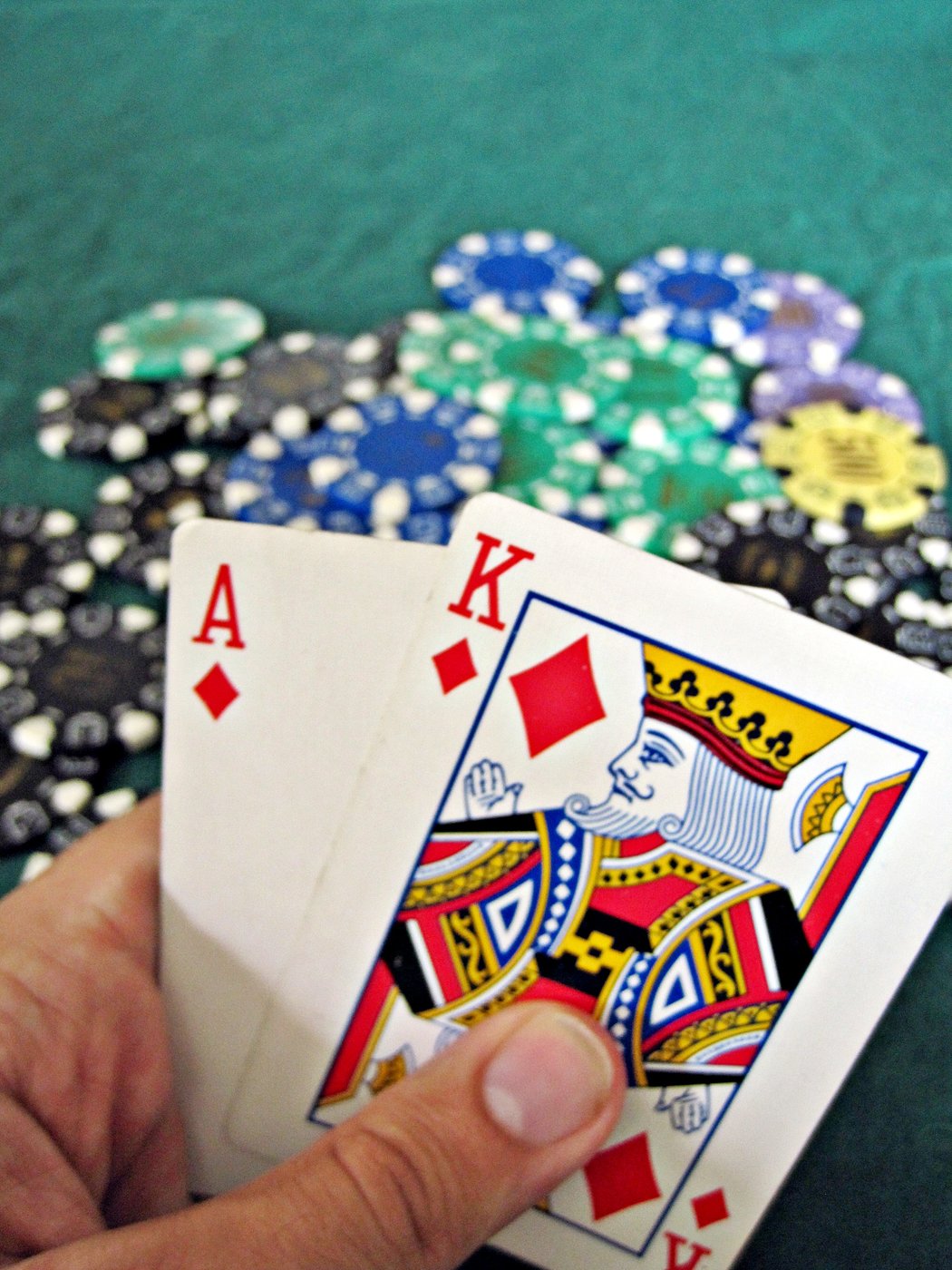
How to read the tables:
H = Hit, S = Stand, D = Double down (hit instead if doubling isn’t allowed on that hand), P = Split. The column across the top is the dealer’s up-card.
Hard totals (no ace, or an ace that only counts as 1):
| Your Hand | 2 | 3 | 4 | 5 | 6 | 7 | 8 | 9 | 10 | A |
|---|---|---|---|---|---|---|---|---|---|---|
| 8 or less | H | H | H | H | H | H | H | H | H | H |
| 9 | H | D | D | D | D | H | H | H | H | H |
| 10 | D | D | D | D | D | D | D | D | H | H |
| 11 | D | D | D | D | D | D | D | D | D | H |
| 12 | H | H | S | S | S | H | H | H | H | H |
| 13 | S | S | S | S | S | H | H | H | H | H |
| 14 | S | S | S | S | S | H | H | H | H | H |
| 15 | S | S | S | S | S | H | H | H | H | H |
| 16 | S | S | S | S | S | H | H | H | H | H |
| 17+ | S | S | S | S | S | S | S | S | S | S |
Soft totals (an ace that still counts as 11):
| Your Hand | 2 | 3 | 4 | 5 | 6 | 7 | 8 | 9 | 10 | A |
|---|---|---|---|---|---|---|---|---|---|---|
| Soft 13 (A,2) | H | H | H | D | D | H | H | H | H | H |
| Soft 14 (A,3) | H | H | H | D | D | H | H | H | H | H |
| Soft 15 (A,4) | H | H | D | D | D | H | H | H | H | H |
| Soft 16 (A,5) | H | H | D | D | D | H | H | H | H | H |
| Soft 17 (A,6) | H | D | D | D | D | H | H | H | H | H |
| Soft 18 (A,7) | S | D | D | D | D | S | S | H | H | H |
| Soft 19 (A,8) | S | S | S | S | S | S | S | S | S | S |
| Soft 20 (A,9) | S | S | S | S | S | S | S | S | S | S |
Pairs — when to split:
| Your Hand | 2 | 3 | 4 | 5 | 6 | 7 | 8 | 9 | 10 | A |
|---|---|---|---|---|---|---|---|---|---|---|
| 2,2 | P | P | P | P | P | P | H | H | H | H |
| 3,3 | P | P | P | P | P | P | H | H | H | H |
| 4,4 | H | H | H | P | P | H | H | H | H | H |
| 5,5 | D | D | D | D | D | D | D | D | H | H |
| 6,6 | P | P | P | P | P | H | H | H | H | H |
| 7,7 | P | P | P | P | P | P | H | H | H | H |
| 8,8 | P | P | P | P | P | P | P | P | P | P |
| 9,9 | P | P | P | P | P | S | P | P | S | S |
| 10,10 | S | S | S | S | S | S | S | S | S | S |
| A,A | P | P | P | P | P | P | P | P | P | P |
Three Card Poker had one strategy threshold; Ultimate Texas Hold’em had a real decision tree; Craps had one 0%-house-edge bet; Roulette had nothing — no system beats a fixed wheel. Blackjack is different: the numbers in the tables above aren’t a suggestion, they’re the mathematically correct play for every hand you’ll see, and playing them consistently is the single biggest lever any blackjack player controls. More of this site’s walk through the games it’s spent dozens of posts standing in front of without explaining is still to come.