I’m planning the first leg of an October road trip — Charlotte to Dallas — and instead of just pointing the car west and hoping for the best, I was today days old when I learned exactly what the fastest route actually passes: a 56-foot cast-iron god watching over an entire city, a burned-out bus stop that changed the civil rights movement, and the sixth-floor window a president was shot from.
The fastest path is I-85 south to Atlanta, then I-20 west the rest of the way through Birmingham, Meridian, Jackson, and Shreveport into Dallas — about 1,029 miles, roughly 16 to 16.5 hours of straight driving. That’s genuinely a 2-day trip, not a 1-day one. This list is ordered geographically along that route, counted down from #7 (the first worthwhile stop leaving Charlotte) to #1 (the arrival highlight in downtown Dallas).
7. BMW Zentrum Museum, Spartanburg, SC
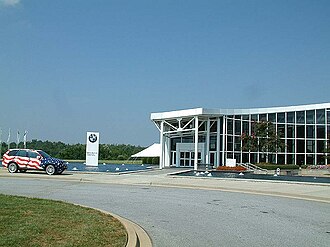
Not far outside Charlotte on I-85 sits the only BMW museum in North America — a free, self-guided visitor center on the grounds of the BMW Manufacturing plant that builds the X3, X4, X5, X6, and X7 Sports Activity Vehicles/Coupes for the entire world. Open weekdays 9:30am–5:30pm, no admission charge, ample free parking. Sources: Experience Spartanburg, bmwgroup-werke.com.
6. Talladega Superspeedway, Talladega/Anniston, AL
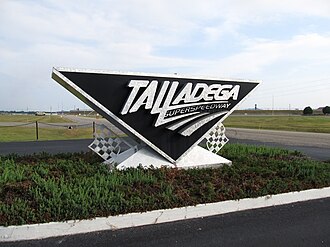
Just off I-20 in east-central Alabama sits NASCAR’s largest track: 2.66 miles around, with 33-degree banking in the turns (steeper than Daytona’s 31) and a 4,000-foot backstretch. Opened in 1969 on the site of a former WWII airfield. Holds the record for the fastest lap ever recorded in a stock car — 212.809 mph, set by Bill Elliott on April 30, 1987. Source: Wikipedia.
5. Freedom Riders National Monument, Anniston, AL
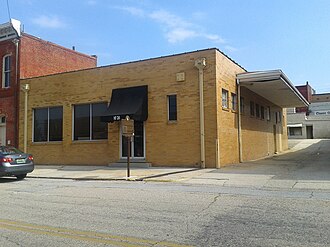
A few miles from Talladega, also just off I-20: on May 14, 1961, a Greyhound bus carrying an interracial group of civil rights activists testing a Supreme Court desegregation ruling was attacked and firebombed here, with the mob trying to hold the doors shut while riders were still inside. The images shocked the country and helped push more than 400 additional Freedom Riders to join the cause that summer. The federal government designated the former Greyhound station and the bus-burning site as a National Monument in 2017. Sources: Wikipedia, nps.gov/frri.
4. Vulcan Statue, Birmingham, AL
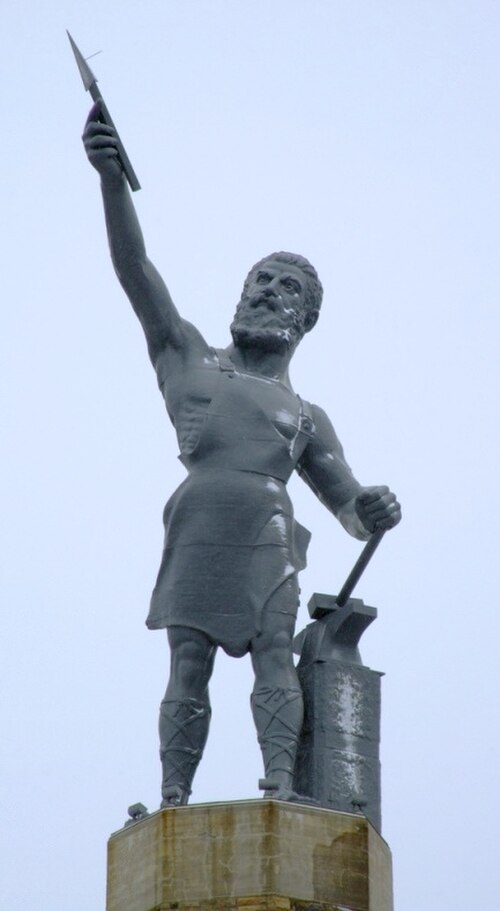
Right on the I-20 corridor: a 56-foot, 120,000-pound cast-iron statue of the Roman god of the forge, standing atop a 123-foot pedestal on Red Mountain, overlooking the city since the 1930s. Designed by Italian sculptor Giuseppe Moretti and cast from local iron for the 1904 World’s Fair, specifically to advertise Birmingham’s iron industry. At the time it was built, it was the second-tallest statue in the US, behind only the Statue of Liberty. Sources: Wikipedia, Encyclopedia of Alabama.
3. Jimmie Rodgers Museum, Meridian, MS

Right on I-20: a small museum dedicated to Meridian native Jimmie Rodgers (1897–1933), “The Singing Brakeman” and “America’s Blue Yodeler” — widely credited as the “Father of Country Music” and among the first inductees into the Country Music Hall of Fame. His sound blended Southern folk, early jazz, yodeling, and Black railroad work-chant and blues traditions. The museum holds his original guitar plus railroad-era memorabilia; private tours by appointment. Sources: Wikipedia, jimmierodgers.com.
2. Vicksburg National Military Park, Vicksburg, MS
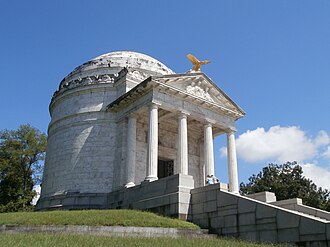
Right off I-20 near the Mississippi/Louisiana line: an 1,800-acre park commemorating the 47-day Union siege of Vicksburg (March 29–July 4, 1863) under Ulysses S. Grant against Confederate forces under John C. Pemberton. Vicksburg’s surrender on July 4, 1863 — combined with Robert E. Lee’s defeat at Gettysburg one day earlier — gave the Union control of the entire Mississippi River and is considered one of the war’s key turning points; the city was called “The Gibraltar of the Confederacy” for its fortified bluff position. The park has 1,325 monuments and markers, 20 miles of restored trenches, a 16-mile tour road, and the restored Union gunboat USS Cairo. Sources: nps.gov/vick, American Battlefield Trust.
1. Sixth Floor Museum at Dealey Plaza, Dallas, TX
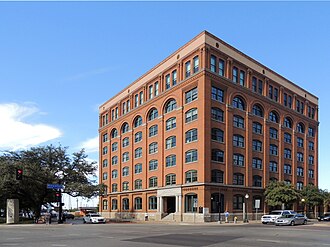
The arrival highlight, in downtown Dallas: housed in the former Texas School Book Depository building (now the Dallas County Administration Building), the museum chronicles the assassination of President Kennedy on November 22, 1963, from the exact sixth-floor sniper’s perch, preserved behind a Plexiglas enclosure in its original setting. Exhibits include the FBI’s Warren Commission model, an original teletype that first transmitted news of the president’s death, and Lee Harvey Oswald’s wedding ring. Outside on Elm Street, a white “X” permanently marks the spot on the road where the fatal shots hit, with the Grassy Knoll rising just beside it. The museum opened in 1989. Sources: Wikipedia, visitdallas.com.
Seven stops across three states and about 1,029 miles — from a BMW museum barely outside Charlotte to the exact window a president was shot from in Dallas. Worth the two days.