
I was today days old when I learned that the reason Election Day always falls on a Tuesday in November — never a weekend, never a holiday, always that slightly inconvenient midweek slot — isn’t tradition or custom at all. It’s a single federal law from 1845, and almost every detail of it was written around the daily schedule of a farmer who had to ride a horse or a wagon to the nearest polling place. Source: History.com.
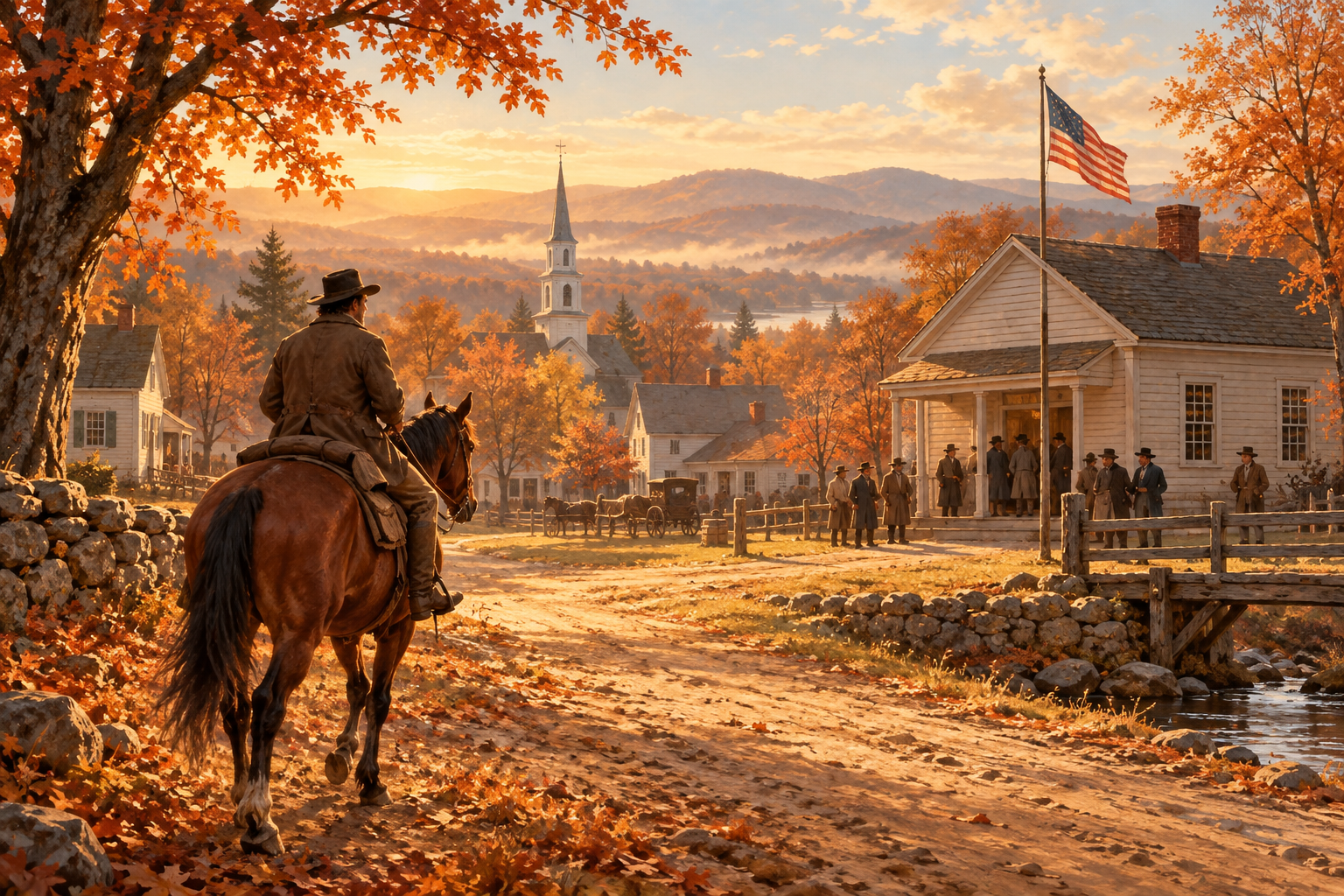
Before 1845, Every State Picked Its Own Day
For the first few decades of the republic, there was no national Election Day. States could hold their presidential vote on any day they liked within a 34-day window that ended on the first Wednesday of November. That sounds flexible, but lawmakers saw a problem with it: if one state voted early, news of its result could travel to states that hadn’t voted yet and sway the outcome there. So in 1845 Congress fixed a single date for the whole country — “the Tuesday after the first Monday in November.” Source: History.com.
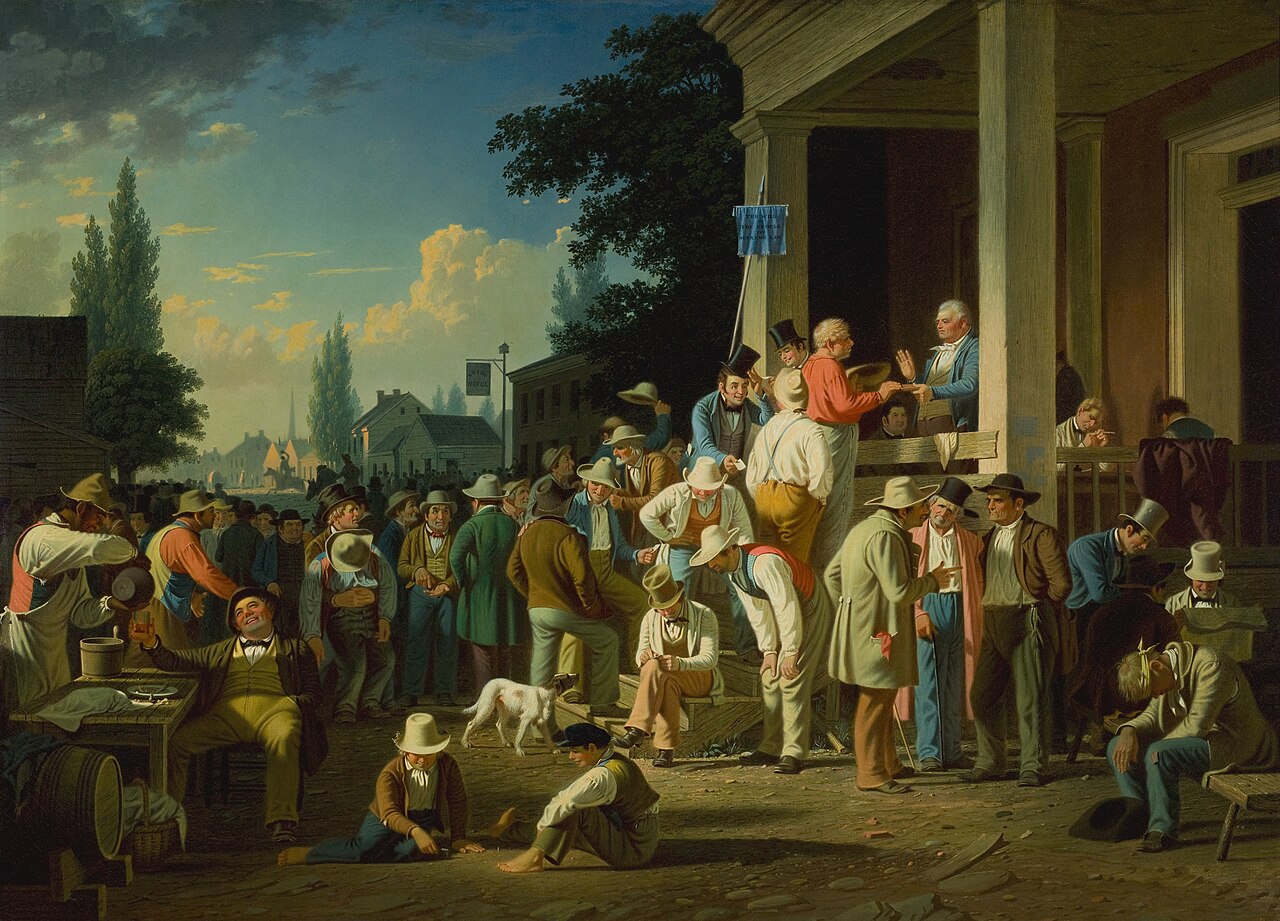
Why Tuesday, Specifically
Here’s the part that makes the whole thing click. In the 1840s, the United States was overwhelmingly rural, and for a lot of voters the polling place was a full day’s travel away by horse or wagon. Two days of the week were already spoken for: Sunday was for church and Sabbath observance, and Wednesday was the standard market day, when farmers brought goods to town to sell. Tuesday threaded the needle. A farmer could spend Monday traveling, vote on Tuesday, and still make it home — without missing church the day before or market the day after. Source: History.com.
Why November
The month was chosen with the same logic. By November the fall harvest was done, so farmers weren’t tied to their fields — but the hard winter hadn’t yet arrived to turn rural roads into mud or snow and make that trip to the polls impossible. It’s a narrow window on the agricultural calendar, and Congress aimed straight at it. Source: History.com.
Still in Force, and Only Congress Can Touch It
What surprised me most is that none of this has been updated. The country is no longer a nation of farmers on horseback, but the 1845 formula is still the law, and it’s a federal statute — which means only Congress can change the date. A President can’t move Election Day by executive action, and neither can a state when it comes to the federal date. Source: Legis1.
So when you see Election Day 2026 listed as Tuesday, November 3, that’s the 1845 math at work: November 1 is a Sunday, the first Monday is November 2, and the Tuesday after it is the 3rd. A date picked so that someone could get to town on a horse without missing church or market day is, 181 years later, still the day the country votes.