
I was today days old when I learned Google has a data center in orbit, and the first thing it did was write a poem. The honest version is a little smaller than the headline: it’s one satellite, carrying four of Google’s TPU chips, with enough solar power to run exactly one of them at a time. But in late October, during a ground-station pass over Svalbard, Norway, engineers sent a prompt up to the Gemma 4 model running on that chip and got a haiku back. Sundar Pichai described the moment plainly: the team “successfully sent a command up to orbit, booted up the TPU, ran the prompt.” Google itself called it a “hello world” milestone.
What’s Actually Up There
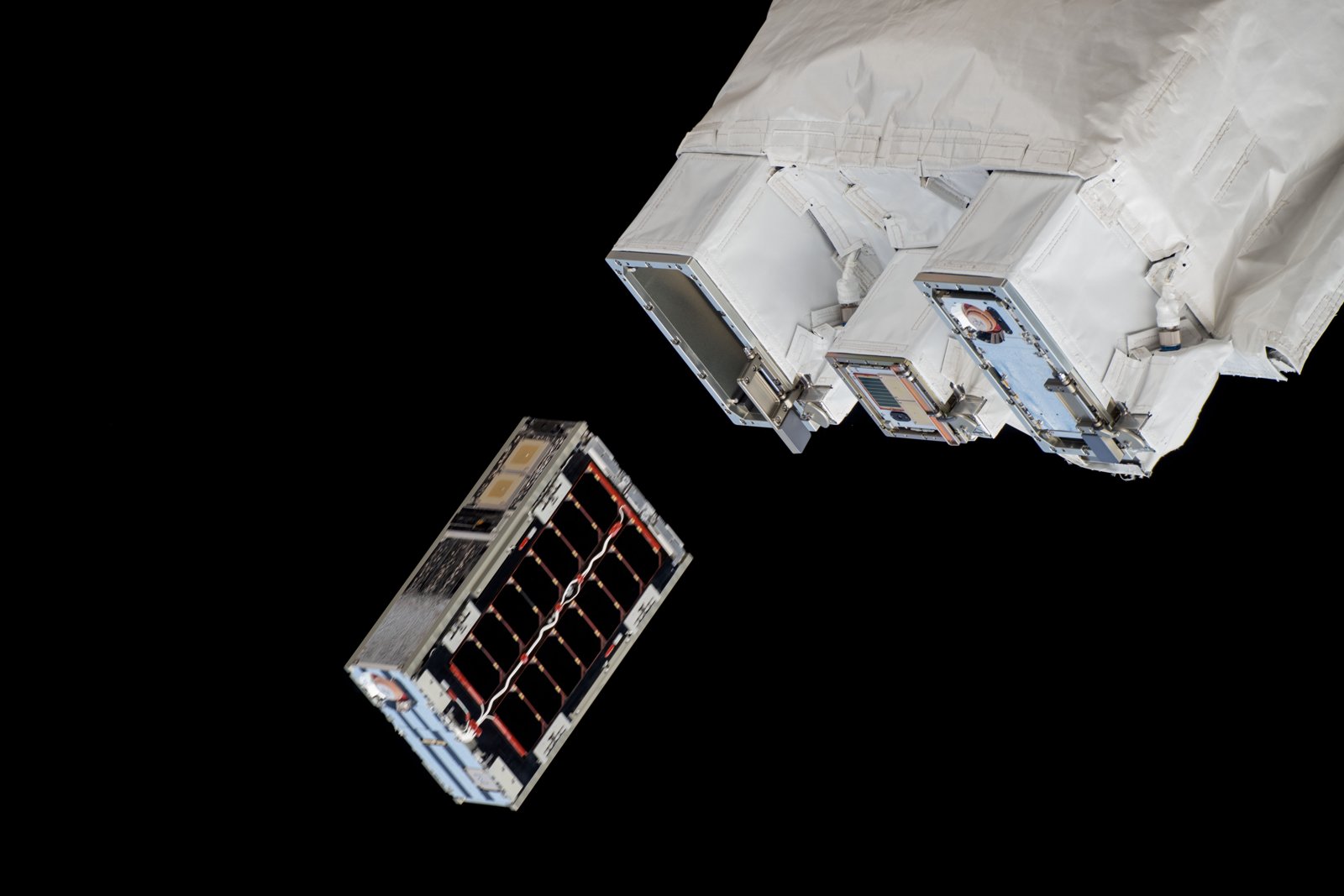
The satellite is Google’s Project Suncatcher prototype, built with the Earth-imaging company Planet. It rode to orbit on October 1, 2026, aboard a SpaceX Falcon 9 rideshare mission (Transporter-18) along with more than 100 other spacecraft, then spent roughly three weeks in commissioning before anybody sent it a prompt.
The hardware, in rough numbers:
- Four Google TPUs onboard (Trillium is the generation being tested)
- Up to about 1 kilowatt of power, which is only enough to run one TPU at a time
- Each ground-station contact lasts about 20 minutes
That’s the whole “data center.” Nothing about it will replace a building full of racks. It’s a test article designed to answer the question of whether these chips can survive and function in orbit at all.
The Poem
The first prompt asked Gemma 4 for a haiku about being in space. The response, per Google’s account: “Blue marble below / Data streams in silent grace / Starlight feeds my core.” Google confirmed the result on October 30, and says engineers have since tested space-themed limericks and prompts about the satellite’s own telemetry.
Why Anyone Would Do This
The pitch comes down to sunlight. Google’s blog on the project explains that in low Earth orbit a satellite gets near-constant sun, which can mean up to 8x more solar power than the same panels would generate on Earth. Data centers on the ground are limited by power and cooling; orbit offers a lot of the former and a strange version of the latter.
Why It’s Hard
Space is a hostile place for a chip designed for a climate-controlled building. Google’s blog lays out the problems it’s testing against:
- Launch loads up to 10 g, with individual components seeing 50 to 100 g
- Radiation can flip bits and silently corrupt memory
- Ground tests with a proton beam at UC Davis’s Crocker Nuclear Laboratory suggested Trillium TPUs can withstand a total ionizing dose above what a five-year mission would deliver
- Those same tests suggested minimal impact on inference, but training a model from scratch would be more of a problem
- No air means no fans, so cooling relies on heat pipes and radiators, tested in a thermal vacuum chamber on the ground and now being validated in orbit
What Comes Next
Google says two more TPU satellites are planned for 2027 to test laser links between them, which the company compares to hitting a coin-sized target from miles away while both the shooter and the target are moving. Future satellites are supposed to carry “dozens of TPU chips” each.
The Honest Take
This is a tiny step. One chip, 20-minute conversations, a haiku. But the point of a hello world is that everything that follows depends on it working, and this one worked. If orbital compute ever does become part of the backbone of AI infrastructure, this is the kind of unglamorous, one-chip, poem-writing milestone that it will trace back to.