Companion to the rest of this summer’s Italy series — Rome (#087), Venice (#088), Tuscany and Cortona (#089), the travel-tips posts (#085, #090), the heat-alert bulletin (#093), and Bologna (#094) — this one steps back from any single city and closes the series out with something that touches nearly all of them: a verified top 10 of Italy’s wine regions, the grape (or grapes) behind each one, and what actually makes each style taste the way it does. Two classifications matter here. Denominazione di Origine Controllata (DOC) is Italy’s standard wine-quality tier, covering roughly 330 titles nationwide. Denominazione di Origine Controllata e Garantita (DOCG) is one step above it — the country’s highest classification, requiring a government tasting panel’s approval before release — and there are only 77 of them, concentrated overwhelmingly in Piedmont, Veneto, and Tuscany. Same standard as the rest of the series: every fact below is checked against Wikipedia or an official source before it made the list. Here’s the countdown.
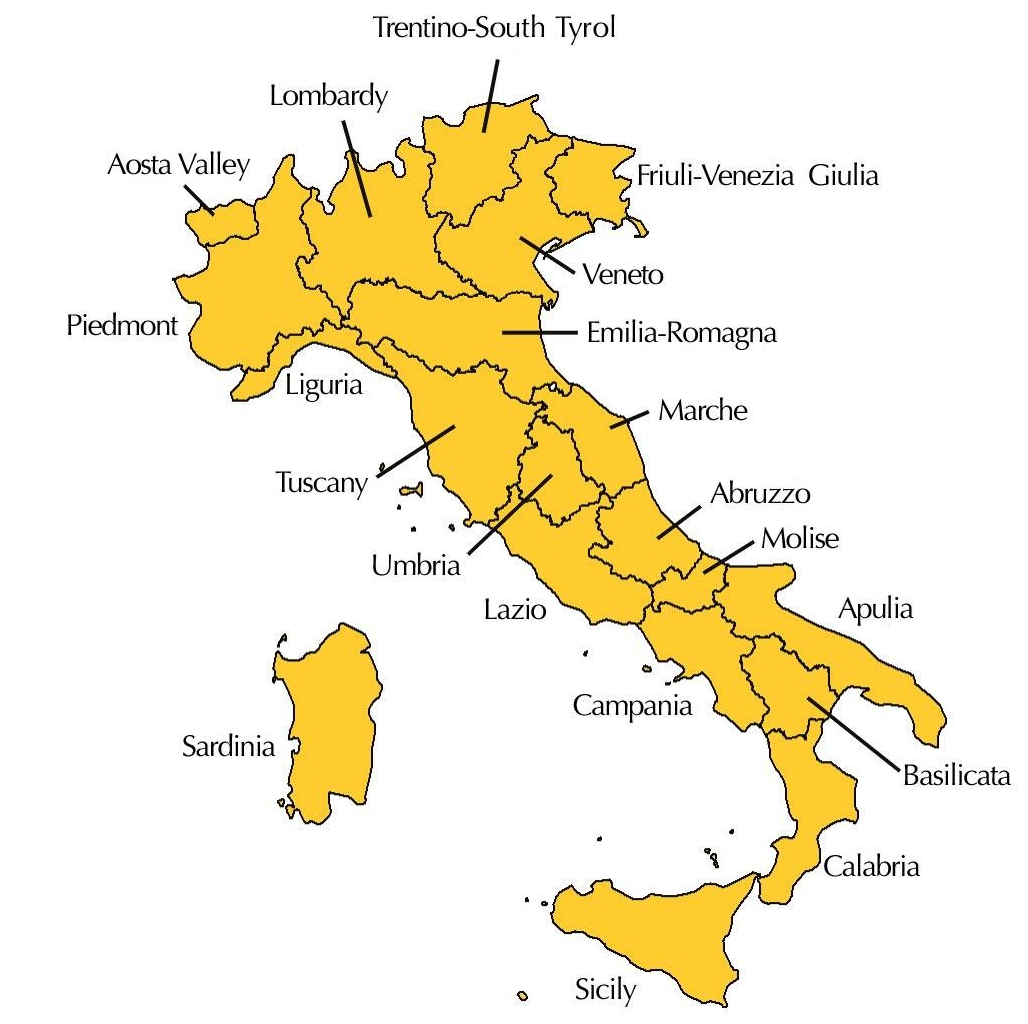
10. Emilia-Romagna — Lambrusco, the Wine America Remembers as Sweet Because It Never Tried the Real DOC Version
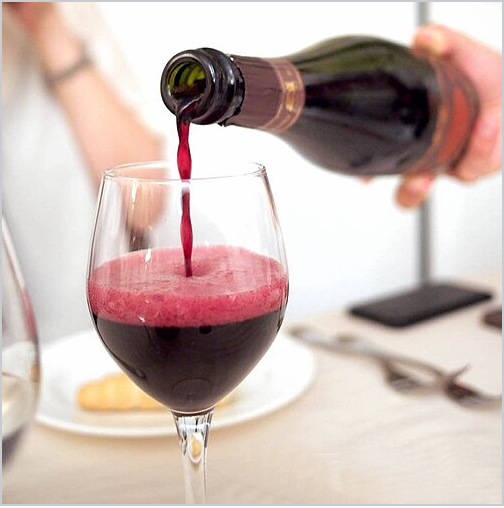
Lambrusco is both a red grape and the wine made from it, grown across Emilia-Romagna’s central provinces — Modena, Parma, Reggio Emilia — plus one DOC zone across the regional border in Lombardy. Italian wine law recognizes eight separate Lambrusco DOC designations, and the best-regarded bottlings are frizzante (lightly sparkling), meant to be drunk young, ranging the full spectrum from secco (dry) to dolce (sweet). Source: Wikipedia, Lambrusco.
Throughout the 1970s and 80s, sweet Lambrusco was the best-selling imported wine in the United States — the sugary, screw-cap grocery-store bottle most Americans still picture when they hear the name. The real DOC versions never stopped being made the traditional way, and a newer generation of vintners has pushed the category toward genuinely dry styles, closer to a sparkling red than the syrupy stuff that built its US reputation.
9. Marche — Verdicchio dei Castelli di Jesi, the Region’s Signature White, Named for a Color It Barely Has
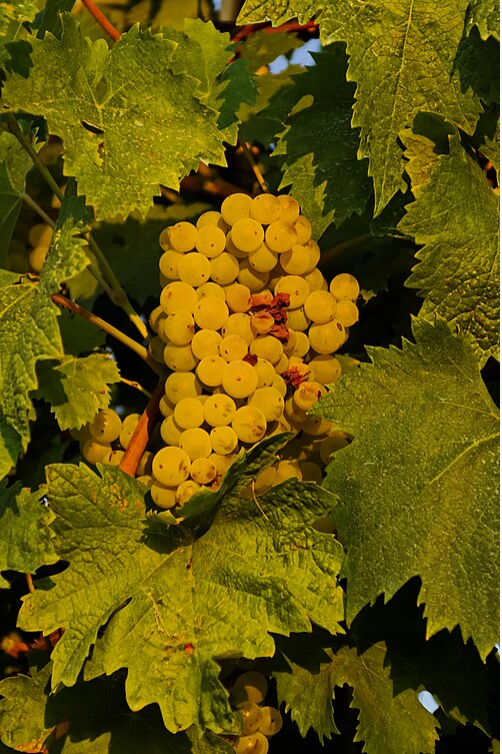
Verdicchio is a white grape grown primarily in Marche, on Italy’s Adriatic side, and it’s the principal grape behind two separate DOC wines: Verdicchio dei Castelli di Jesi, from the provinces of Ancona and Macerata, and the smaller Verdicchio di Matelica. The name comes from verde, Italian for green, describing the pale green-yellow cast the grape can give a finished wine. Source: Wikipedia, Verdicchio.
Beyond still white wine, Verdicchio grapes also go into sparkling and straw-wine styles — a broader range than most single-grape Italian whites attempt, and Marche’s quiet answer to the more famous whites made by its Tuscan and Piedmontese neighbors, even if it rarely gets top billing outside Italy.
8. Abruzzo — Montepulciano d’Abruzzo, Which Shares a Name With a Tuscan Wine It Has Nothing to Do With
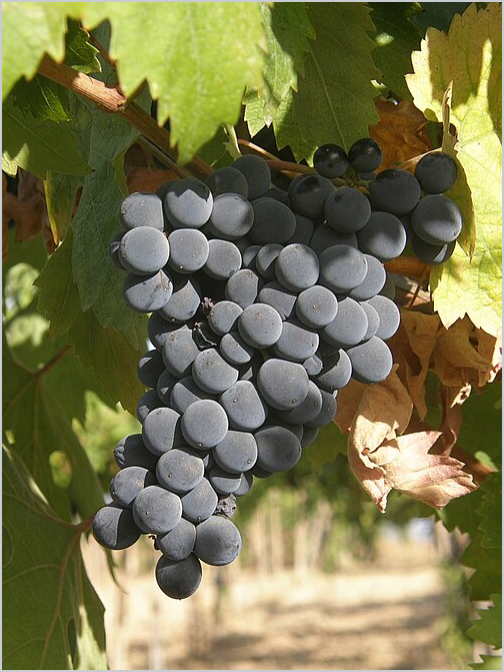
Montepulciano d’Abruzzo is a dry red wine made from the Montepulciano grape, grown across Abruzzo on Italy’s Adriatic side and first classified DOC in 1968; its Colline Teramane subzone was promoted to DOCG in 2003. It’s typically soft-tanninned and made to drink young, and it had become one of Italy’s most widely exported DOC wines by the early 2000s. Source: Wikipedia, Montepulciano d’Abruzzo.
Here’s the naming trap: Montepulciano is both this Adriatic grape and, confusingly, a Tuscan hill town on the opposite coast. Vino Nobile di Montepulciano, the DOCG wine from that town, has nothing to do with the Montepulciano grape at all — it’s made primarily from Sangiovese (locally called Prugnolo Gentile), the same grape family behind Chianti and Brunello. Two wines, same name, different grapes, opposite coasts, no relation.
7. Campania — Taurasi, the Aglianico DOCG Sometimes Called the “Barolo of the South”
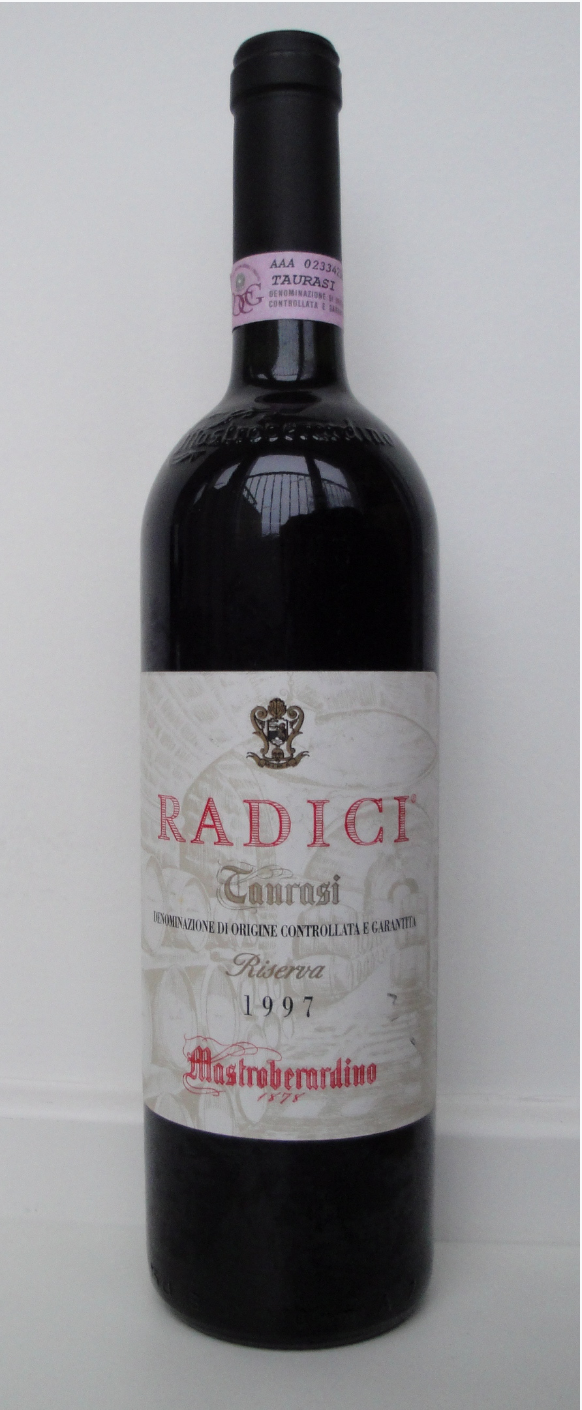
Taurasi is a red DOCG wine made from the Aglianico grape in Campania’s Avellino province, first classified DOC in 1970 and promoted to DOCG — Campania’s first — in 1993. Grown in volcanic soils about 40 miles from Basilicata’s other Aglianico stronghold, Aglianico del Vulture, the grape has long been compared to Piedmont’s Nebbiolo and Tuscany’s Sangiovese for its structure and aging potential, which is where its “Barolo of the South” nickname comes from. Source: Wikipedia, Taurasi (wine).
The region’s wine industry stayed remarkably small for decades: until the early 1990s, a single winery, Mastroberardino, was essentially the only producer making Taurasi for export. By the mid-2000s that had grown to more than 290 producers in the zone — a modern wine industry that’s barely a generation old, built on a grape that’s been in Campania for over two thousand years.
6. Sicily — Nero d’Avola in the South, Nerello Mascalese Grown Straight Out of Mount Etna’s Ash in the North
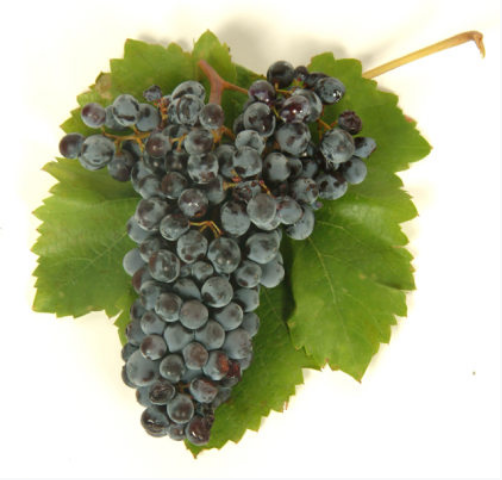
Nero d’Avola, named for the town of Avola in Sicily’s far south, is the island’s most important native red grape, producing full-bodied wines with soft tannins that are often compared to New World Shiraz. Source: Wikipedia, Nero d’Avola.
Sicily’s other major red comes from an entirely different landscape: Etna Rosso, made mostly from the Nerello Mascalese grape, grown in vineyards planted directly into the volcanic soil on the slopes of Mount Etna — Europe’s largest active volcano, still erupting periodically today. The Etna DOC covers a ring of towns circling the volcano’s base, and the same mineral-heavy soil that makes the mountain dangerous is what gives the wine its distinct character.
5. Puglia — Primitivo, DNA-Matched to California Zinfandel and a Croatian Grape in the Same Vine
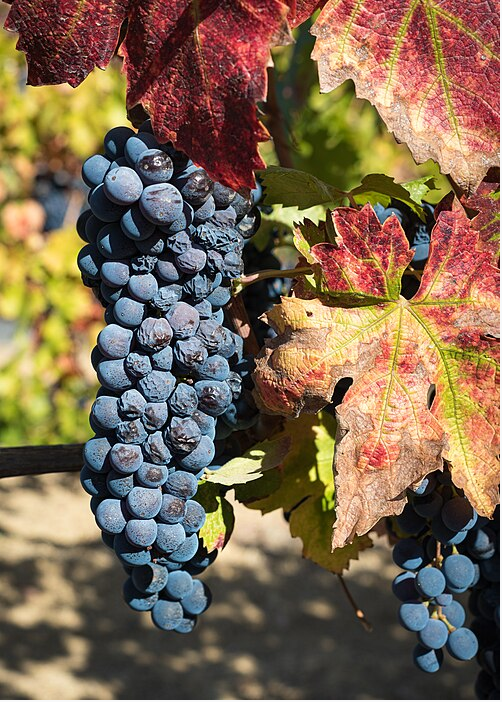
Primitivo is Puglia’s signature red grape, producing full-bodied, high-alcohol wines. In December 2001, UC Davis geneticist Carole Meredith, working with Croatian scientists Ivan Pejić and Edi Maletić, used DNA profiling to confirm what wine researchers had chased for three decades: Primitivo is genetically identical to California Zinfandel and to an obscure Croatian grape called Crljenak Kaštelanski. Source: Wikipedia, Primitivo.
Three wines, one grape, three countries — a genetic mystery that took until the 21st century to solve, involving a variety that spread from the Balkans to Italy in the 1700s and from Italy to the United States in the 1800s, picking up a different regional name each time it crossed a border.
4. Umbria — Sagrantino di Montefalco, One of the Most Tannic Wines on Earth, Aged a Minimum of 37 Months Before It Can Even Be Released
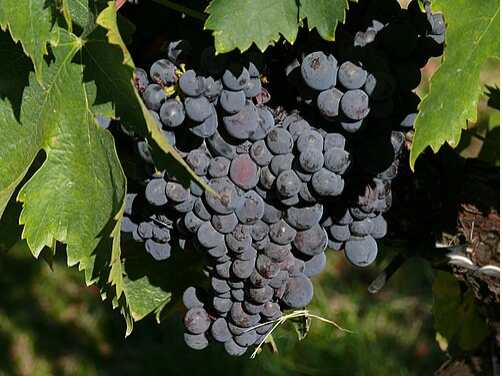
Sagrantino is a red grape indigenous to Umbria, grown almost exclusively in and around the village of Montefalco. Plantings grew fast in the early 2000s — from 351 hectares in 2000 to 994 hectares by 2010, spread across roughly 50 producers — as the wine’s reputation caught up with its intensity. Source: Wikipedia, Sagrantino.
Sagrantino di Montefalco DOCG is widely cited by wine writers as one of the most tannic wines on Earth, exceeding even Barolo and Amarone in raw grip. The DOCG rules require a minimum 37 months of aging — at least 12 of them in wood — before a bottle can even be released, and opening one younger than about five years old can mean an almost undrinkably astringent glass.
3. Lombardy — Franciacorta, Made the Same Way as Champagne, in Hills South of Lake Iseo
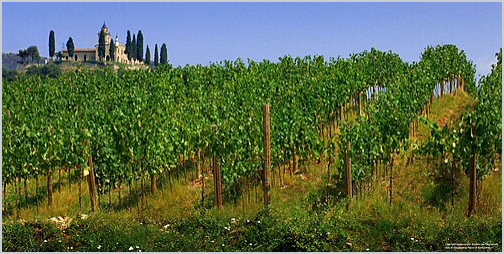
Franciacorta is a sparkling DOCG wine from Lombardy’s Brescia province, made using the traditional method — the same secondary in-bottle fermentation process used for Champagne. It was awarded DOC status in 1967, and since 1995 the DOCG classification has applied exclusively to the sparkling wines of the zone, with still red and white wines from the same area now made and sold under separate designations. Source: Wikipedia, Franciacorta (wine).
The zone sits between the southern shore of Lake Iseo and the city of Brescia, close enough to Milan to function as the closest thing northern Italy has to its own Champagne region — made the same way, from grapes grown a fraction of the distance away.
2. Veneto — Prosecco, the World’s Best-Selling Sparkling Wine by Volume, and Amarone, Made From Grapes Dried for Months Before Fermenting
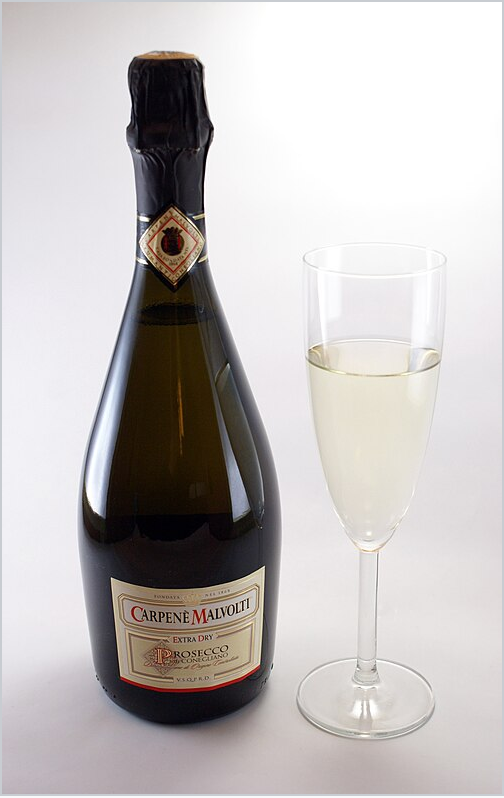
Veneto does double duty on this list. Prosecco is made from the Glera grape (renamed from “Prosecco” in 2009) across a large DOC zone spanning Veneto and Friuli-Venezia Giulia, with two small DOCG areas — Conegliano Valdobbiadene and Asolo — producing the higher “Superiore” tier; the Conegliano Valdobbiadene hills became a UNESCO World Heritage Site in 2019. By volume, Prosecco is the world’s best-selling sparkling wine: roughly 667 million bottles sold globally in 2025, against Champagne’s roughly 350 million a year — though Champagne still wins on revenue, €4.9 billion to Prosecco’s €804 million, since Champagne sells at a far higher price per bottle. Source: Wikipedia, Prosecco.
Veneto’s other signature is Amarone della Valpolicella, a rich, dry red made from Corvina, Rondinella, and other approved grapes that are partially dried for months after harvest — the appassimento method — concentrating their sugars into a wine that’s full-bodied and almost raisiny, a world away from Prosecco’s lightness. Between Prosecco, Amarone, and its other designations, Veneto alone holds 14 of Italy’s 77 DOCGs, more than any other single region.
1. Piedmont and Tuscany — Italy’s Twin Wine Capitals, Holding More Than a Third of the Country’s 77 DOCGs Between Just the Two of Them
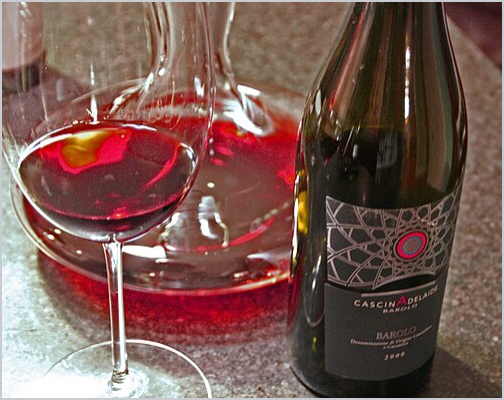
Piedmont holds 17 DOCGs, more than any other region, nearly all built around the Nebbiolo grape — Barolo and Barbaresco chief among them. Barolo, sometimes called the “King of Wines,” must be aged at least 36 months after harvest (18 of them in wood) before release, and its tannic, tar-and-roses style can take a decade or more to soften. Source: Wikipedia, Barolo (wine).
Tuscany holds 11 DOCGs, built around Sangiovese: Chianti Classico, Brunello di Montalcino, and Vino Nobile di Montepulciano (the Sangiovese wine, not to be confused with #8’s Adriatic grape of almost the same name) among them. Piedmont and Tuscany together account for more than a third of Italy’s 77 total DOCGs — a fitting place to close out a list that started with a frizzante red most Americans wrote off decades ago and ends with the two regions that, between them, define what “Italy’s greatest wine” even means.
Ten regions, eleven wines, and one country that produces roughly four times more DOC and DOCG designations combined than most wine-producing nations manage in total. Every fact above checked against Wikipedia or an official source before it made the list — the closing stop of this summer’s Italy series, and maybe the best excuse yet to go back.