I was today days old when I learned about @lil_quizmo, a TikTok account whose own bio describes it as “A fact demon with rent to pay,” posting “Daily posts with fascinating stories/facts from history and this crazy weird world.” That is, almost word for word, this entire site’s mission statement, just shot vertically instead of written down. Two of the account’s recent videos stopped my scroll cold enough that I fact-checked both against real science sources before writing a single word of this post: wombats really do poop in cubes, and Venus really does have a day that outlasts its year.
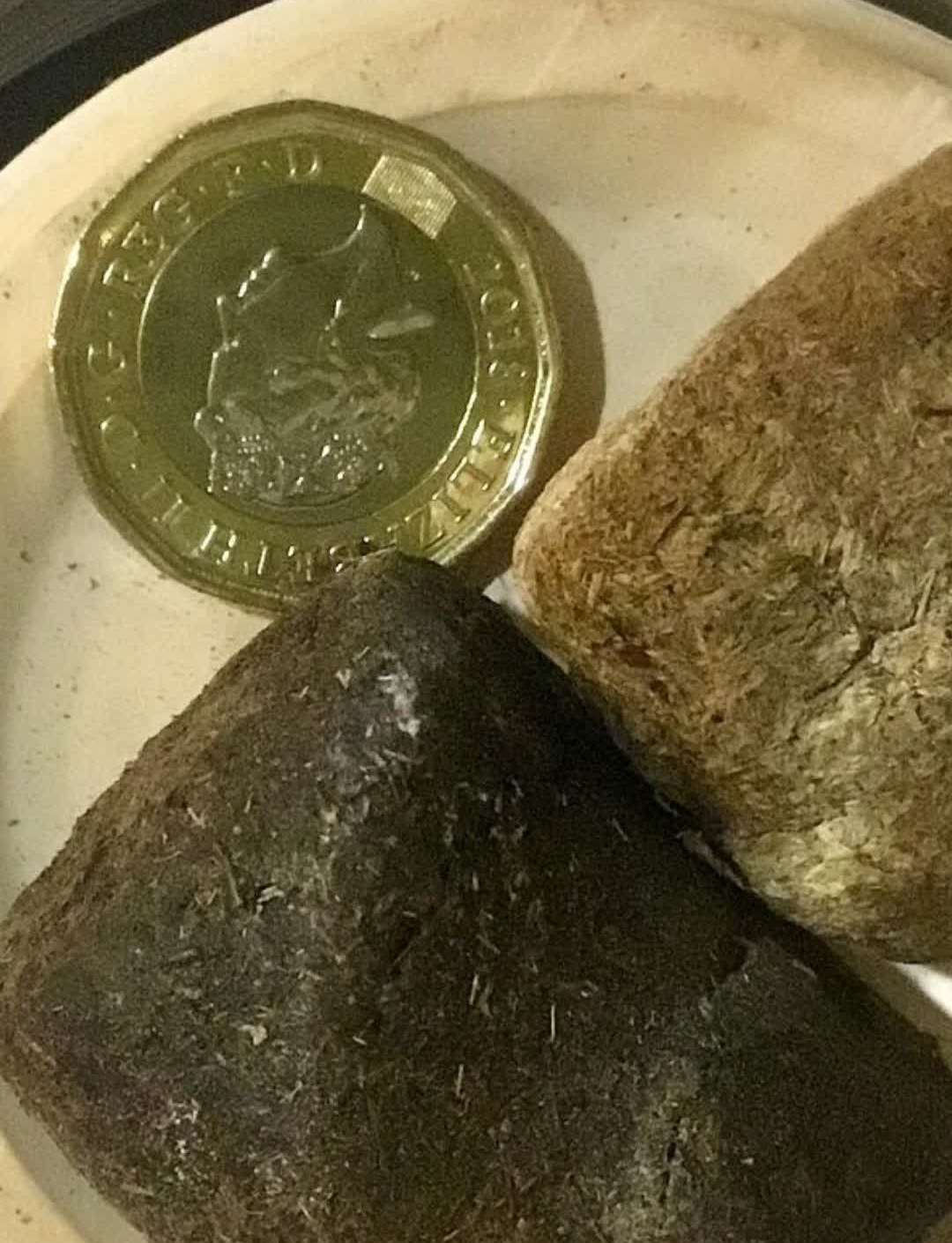
Fact One: Wombats Really Do Poop in Perfect Cubes
The first video, captioned by LilQuizmo as “Wombats do not have square exits. Their unusually elastic intestines slowly shape dry droppings into stackable cubes,” is the more visually startling of the two, and it holds up. Wombat droppings are genuinely, verifiably cube-shaped — not just rounded into a blocky rectangle, but formed with distinct flat sides and sharp corners, the kind you could actually stack, which by every account wombats do, using them to mark territory on rocks and logs where a round pellet would just roll off. Source: @lil_quizmo’s wombat video.
The mechanism was worked out in a 2018 study led by Patricia Yang, a mechanical engineer then at Georgia Tech, published in the journal Soft Matter. Wombat intestines have two grooves running their length with differing elasticity — one section stiffer, one more flexible — and those two sections contract at different rates over roughly the final 8% of a digestive journey that involves around 40,000 total contractions, slowly molding sharp corners into what starts out as an entirely ordinary, round dropping. The leading theory for why cube-shaped scat exists at all: it stays put on the rocks and logs wombats use to mark their territory, instead of rolling away. Sources: Smithsonian Magazine, Science.org, and the original study in Soft Matter.
Fact Two: Venus’s Day Really Does Outlast Its Year
The second video, captioned “Venus has one of the strangest clocks in the solar system: its rotation lasts longer than its orbit,” sounds almost too strange to be true — and it also holds up, with one nuance worth knowing that actually makes it a better fact than the caption alone lets on. Source: @lil_quizmo’s Venus video.
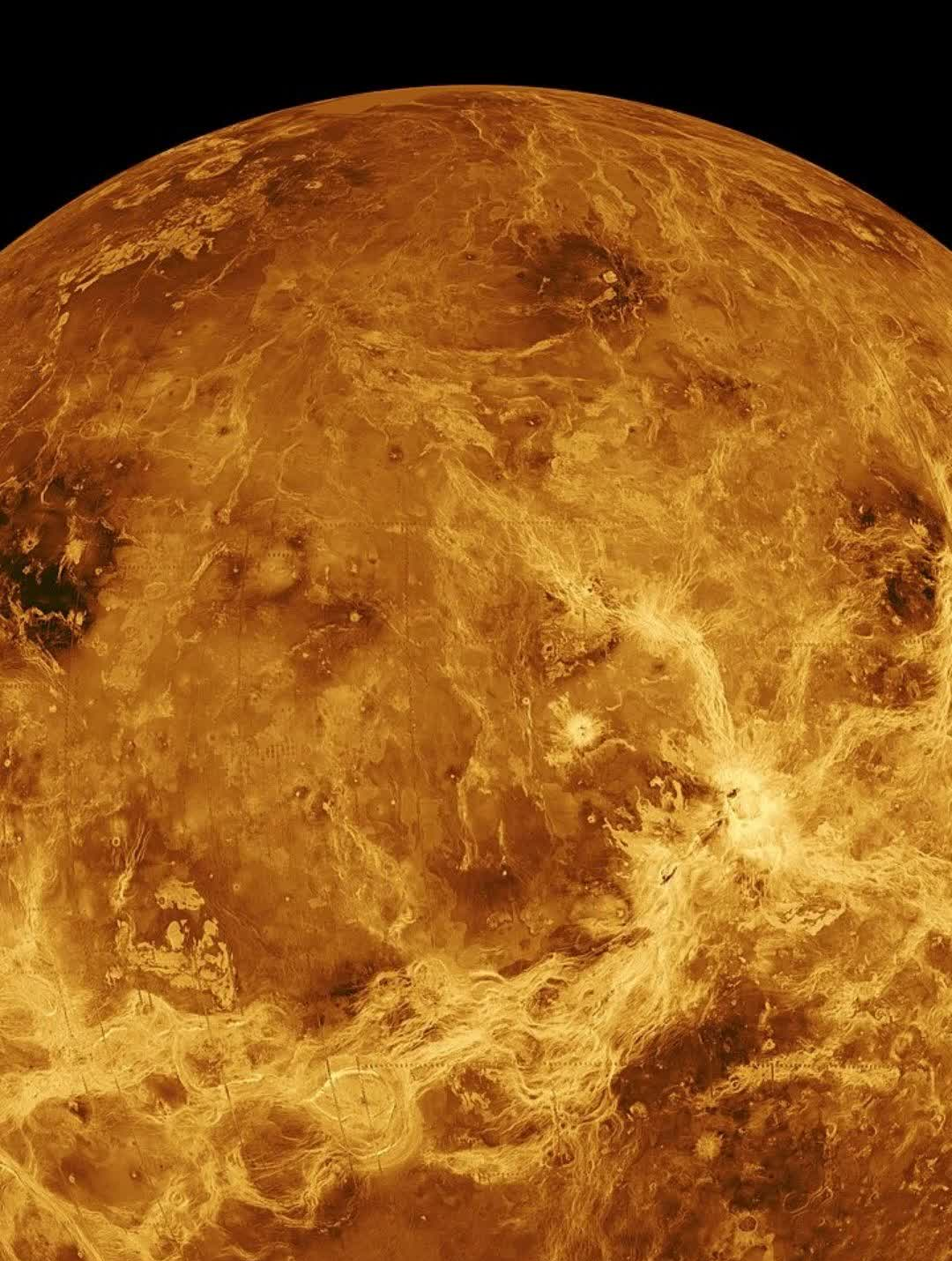
Venus’s sidereal rotation period — the time it takes to spin once relative to the stars — is about 243 Earth days. Its orbital period, its actual “year,” is about 225 Earth days. In that specific sidereal sense, a Venusian day genuinely outlasts a Venusian year, and Venus is the only planet in the solar system where that’s true. The wrinkle: Venus’s solar day — sunrise to sunrise, what a hypothetical person standing on the surface would actually experience — is shorter, about 117 Earth days, because Venus’s backwards (retrograde) rotation and its own orbital motion partly cancel each other out. Venus is also the only planet that rotates backwards relative to Earth and most of the rest of the solar system, so on the rare patch of surface where the crushing atmosphere would let you see it, the sun would rise in the west. Sources: NASA and Wikipedia.
Follow @lil_quizmo on TikTok
 Both facts checked out against real sources, which is more than I can say for most of what shows up in a TikTok algorithm feed. If you want more of this — short, researched-enough, actually-verifiable facts pulled from history and science, delivered daily, from “a fact demon with rent to pay” — @lil_quizmo is worth the follow. Follow @lil_quizmo on TikTok »