Discoveries #129 through #134 ran the drive from Las Vegas to Reno, then Reno to Portland via two different real routes — US-395 through the Eastern Sierra (#133) and I-5 through Sacramento (#134). This is the arrival post, closing out that arc: what to actually do once you're in Portland. One deliberate exclusion up front, since it's the obvious thing everyone associates with this city and it's genuinely not covered here: the brewery and craft-beer scene. That's not an oversight, it's a separate sibling post, Discovery #136, coming right after this one — no brewery names, tours, or beer-focused content anywhere below.
What follows is a verified Top 9 of Portland's general-interest highlights, checked against each venue's own current site, Wikipedia, or recent press rather than assembled as a generic listicle. One candidate came with an honest correction rather than an assumed inclusion: Multnomah Falls shows up on nearly every "Portland" list, but it isn't actually in Portland, and this post says so plainly rather than implying it's a downtown stop — more at #5. Counted down from #9 (a fun bonus stop) to #1 (the real anchor).
9. Mill Ends Park — the World's Smallest Park, Until It Lost the Record in February 2025
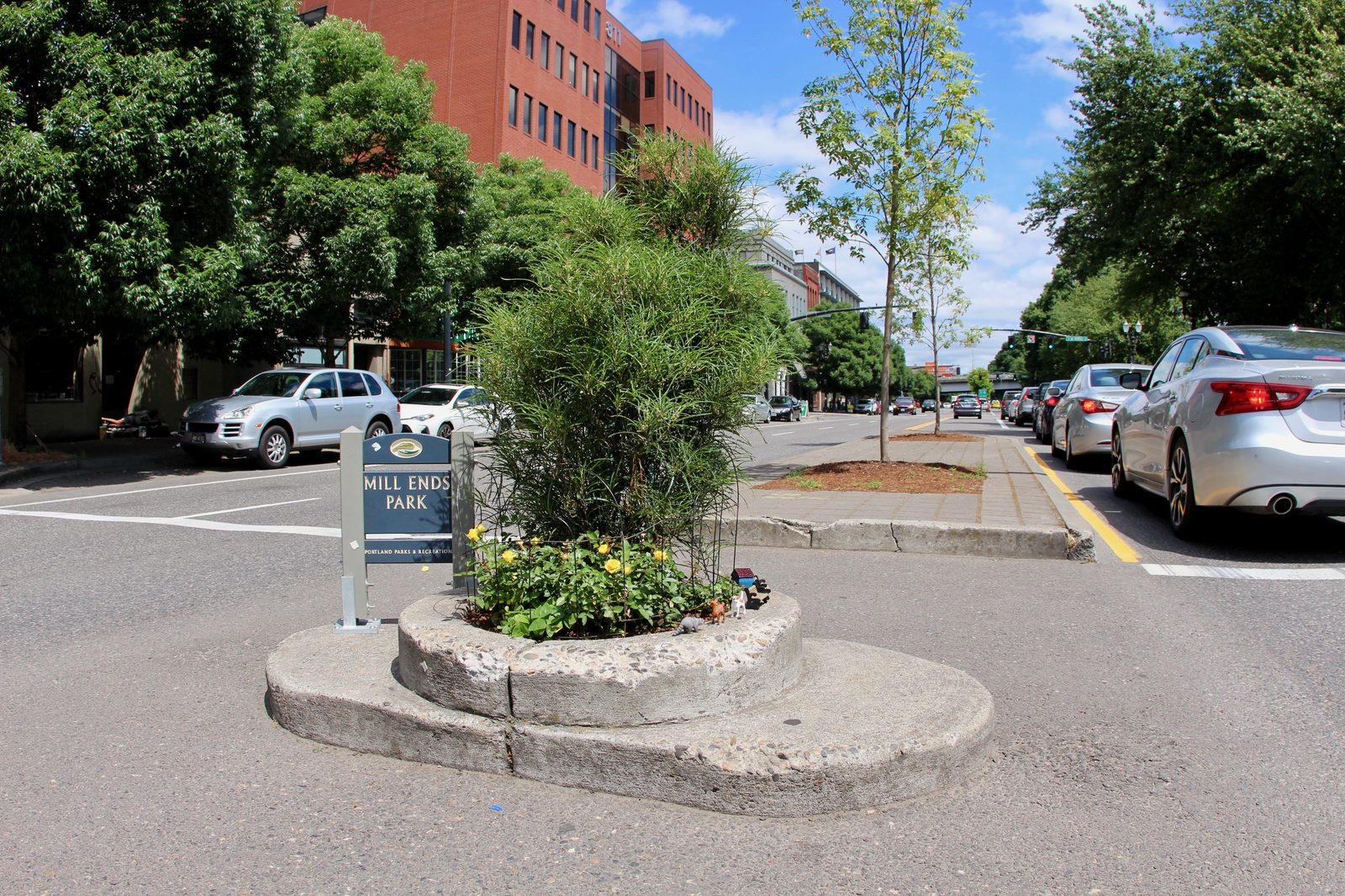
Per Wikipedia, Mill Ends Park is a small circle 2 feet across, with a total area of just 452 square inches, sitting in a traffic median at SW Naito Parkway and Taylor Street. Oregon Journal columnist Dick Fagan planted flowers in the hole in 1948 and named it after his column, "Mill Ends" (a term for leftover irregular lumber-mill scraps); it was formally dedicated as a park in 1976, and in 1976 Portland also declared it "the only leprechaun colony west of Ireland" as part of its Saint Patrick's Day celebrations. An honest, current correction rather than a repeated old fact: the Guinness Book of Records first recognized it as the world's smallest park in 1971, and it held that title for 54 years — until February 2025, when Guinness awarded the record to a park in the town of Nagaizumi, Japan, at just 0.24 square meters (370 square inches). Mill Ends Park remains a real, still-standing Portland landmark; it's just no longer the record holder. Source: Wikipedia, Mill Ends Park.
8. The Portland Aerial Tram — One of Only Two Commuter Aerial Tramways in the Entire US
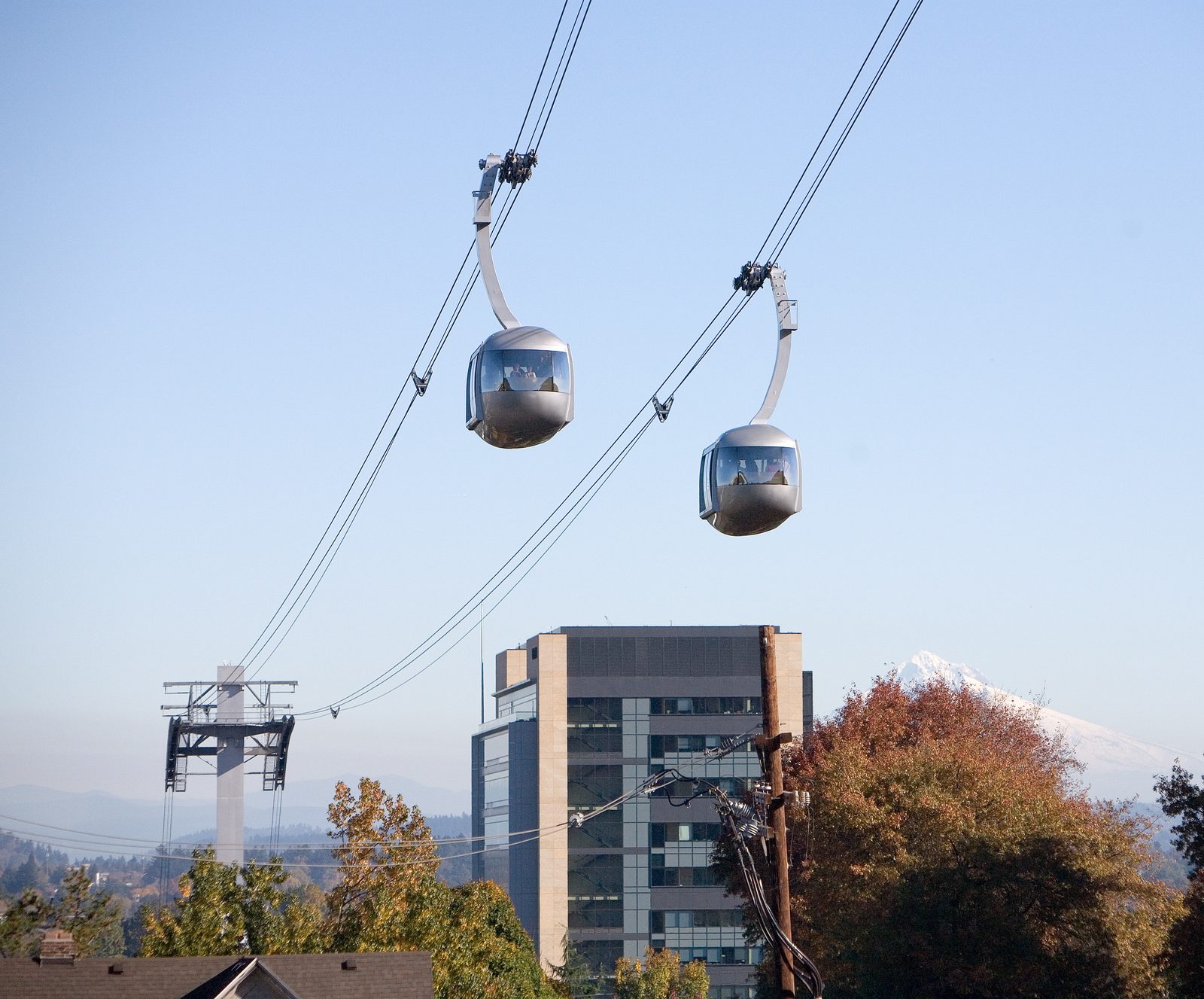
Per Wikipedia, the Portland Aerial Tram opened in 2006, connecting the South Waterfront district to the Oregon Health & Science University (OHSU) campus on Marquam Hill. It's one of only two commuter aerial tramways in the United States — the other is New York City's Roosevelt Island Tramway. It briefly restricted general-public access to OHSU employees, affiliated staff, and patients before reopening to everyone in May 2022. It's a fast, cheap way to get a real elevated view of the city and the West Hills without a hike, and on a clear day, Mount Hood is visible from the ride. Source: Wikipedia, Portland Aerial Tram.
7. Portland Saturday Market — the Largest Continuously Operated Outdoor Market in the US
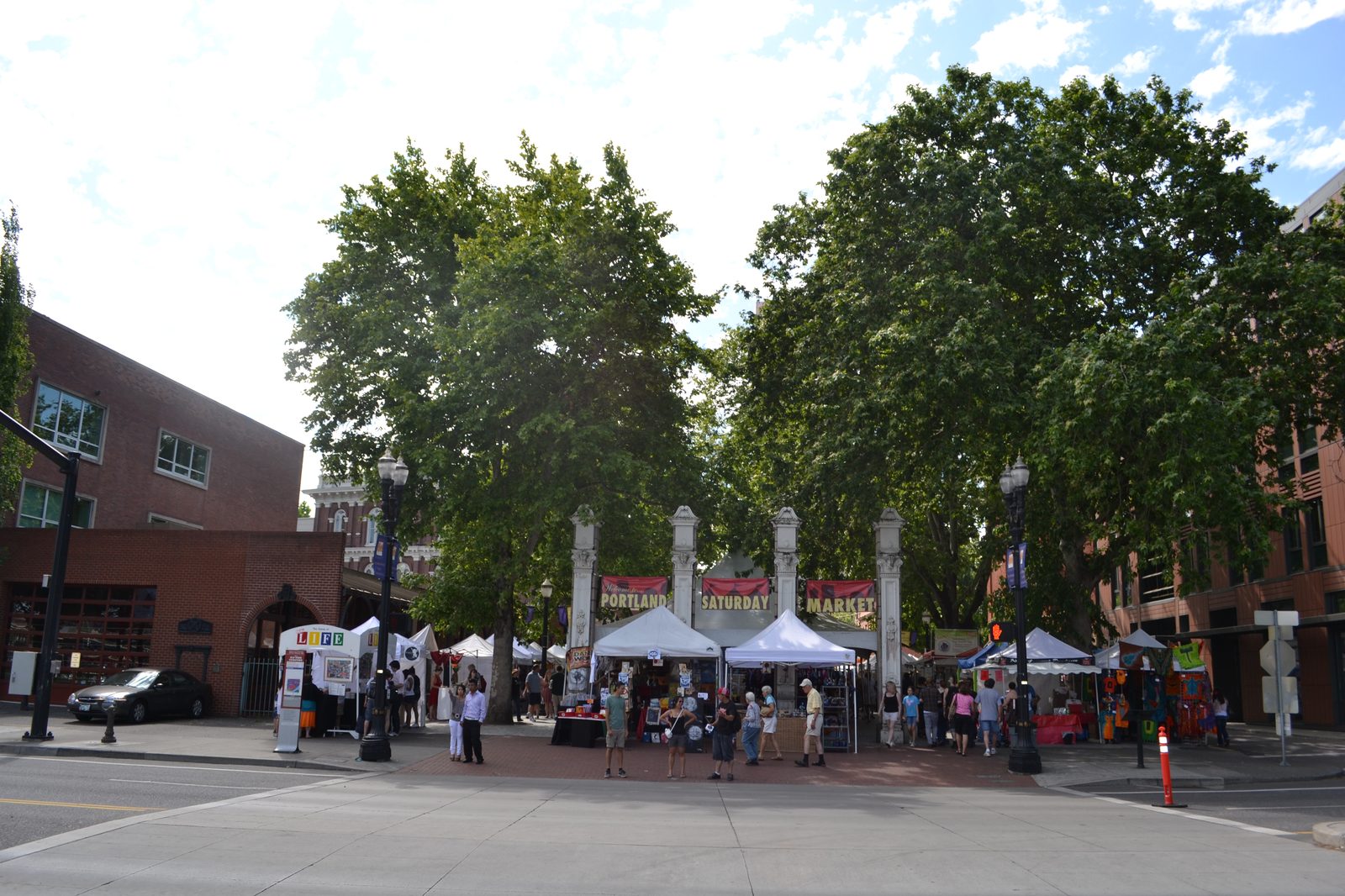
Per Wikipedia, the Saturday Market was founded in 1974 by craftspeople Sheri Teasdale and Andrea Scharf, modeled on the Saturday Market in Eugene, and it's the largest continuously operated outdoor market in the United States. Today it runs every Saturday (and Sunday) from March through December in Tom McCall Waterfront Park, underneath the Burnside Bridge, an arts, crafts, and food market with dozens of vendors selling handmade goods. Source: Wikipedia, Portland Saturday Market.
6. Pioneer Courthouse Square — ‘Portland's Living Room,’ a Full City Block in the Center of Downtown
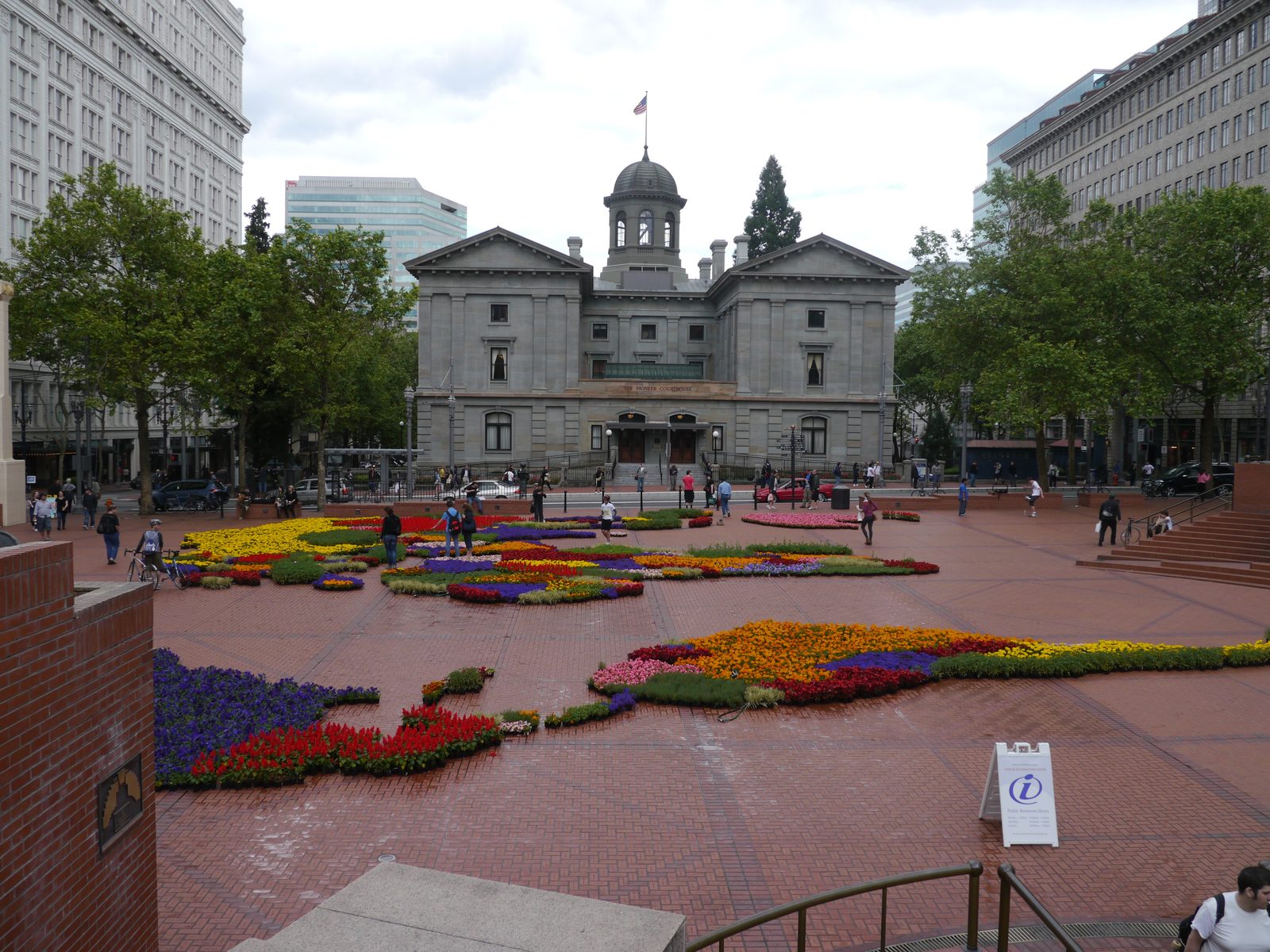
Per Wikipedia, Pioneer Courthouse Square is a public space occupying a full 40,000-square-foot city block in the center of downtown Portland, widely known as "Portland's living room." It's built around the historic Pioneer Courthouse, a federal courthouse dating to 1875, and it's a genuine transit hub — multiple MAX light rail lines run right through it. It's also the site of near-constant free public events: concerts, markets, rallies, and Portland's official countdown celebrations. Source: Wikipedia, Pioneer Courthouse Square.
5. Multnomah Falls — Genuinely Verified as a Real 30-Mile Drive Outside Downtown, Not an In-Town Stop
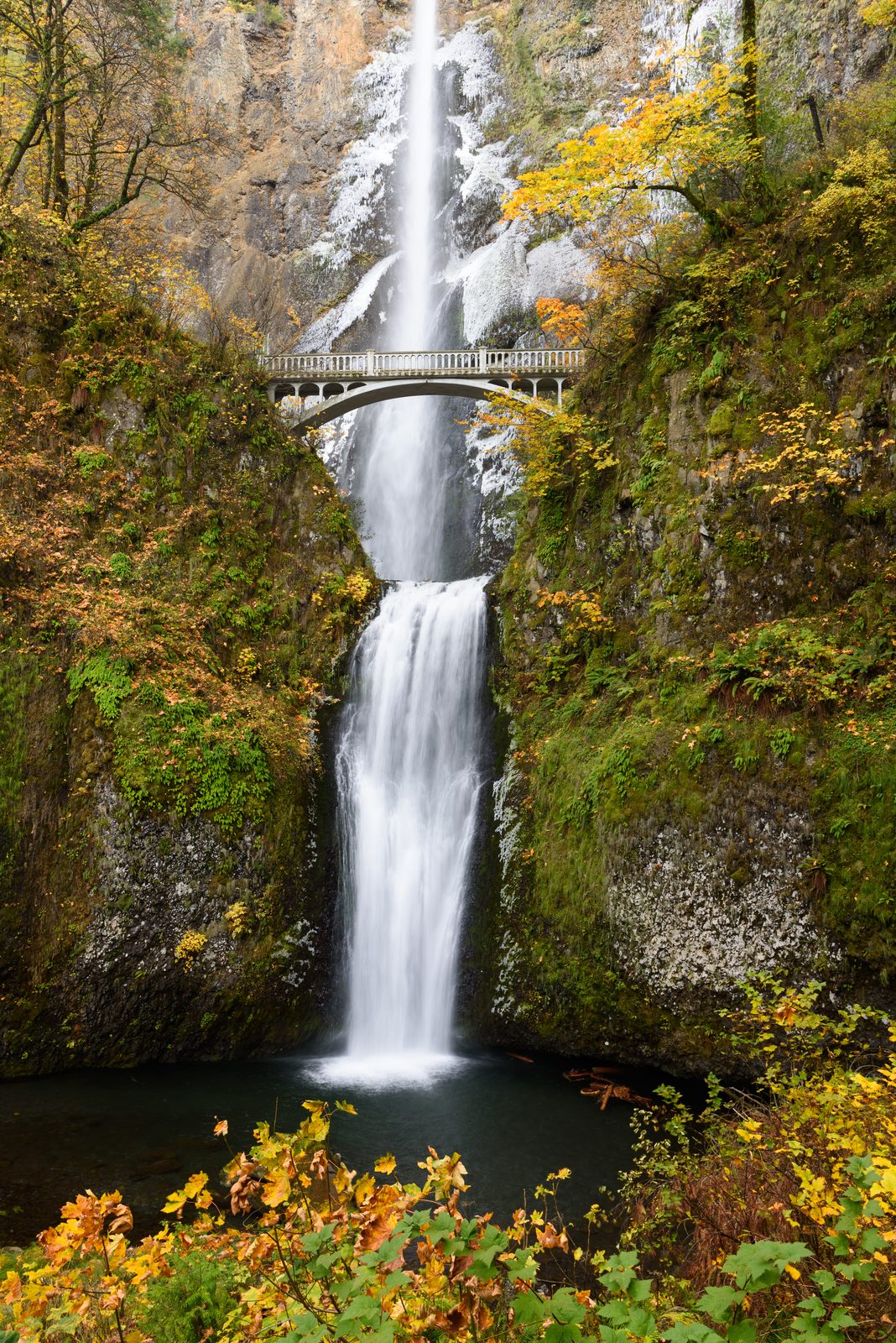
Multnomah Falls shows up on nearly every "things to do in Portland" list, and it's worth being straightforward about what it actually is rather than implying it's a downtown attraction: it's a real day trip, not an in-town stop. Routed directly from Pioneer Courthouse Square through OSRM's driving routing engine, it's about 30 miles and 43 minutes east of downtown, along the Historic Columbia River Highway and I-84 in the Columbia River Gorge. It's a genuinely worthwhile trip — per Wikipedia, at 620 feet it's the tallest waterfall in Oregon, spanning two tiers on basalt cliffs, crossed by a 1914 footbridge, and it draws over two million visitors a year — just not something you stumble into on a walk downtown. Sources: Wikipedia, Multnomah Falls; OSRM routing data.
4. The International Rose Test Garden — the Oldest Continuously Operating Public Rose Test Garden in the US
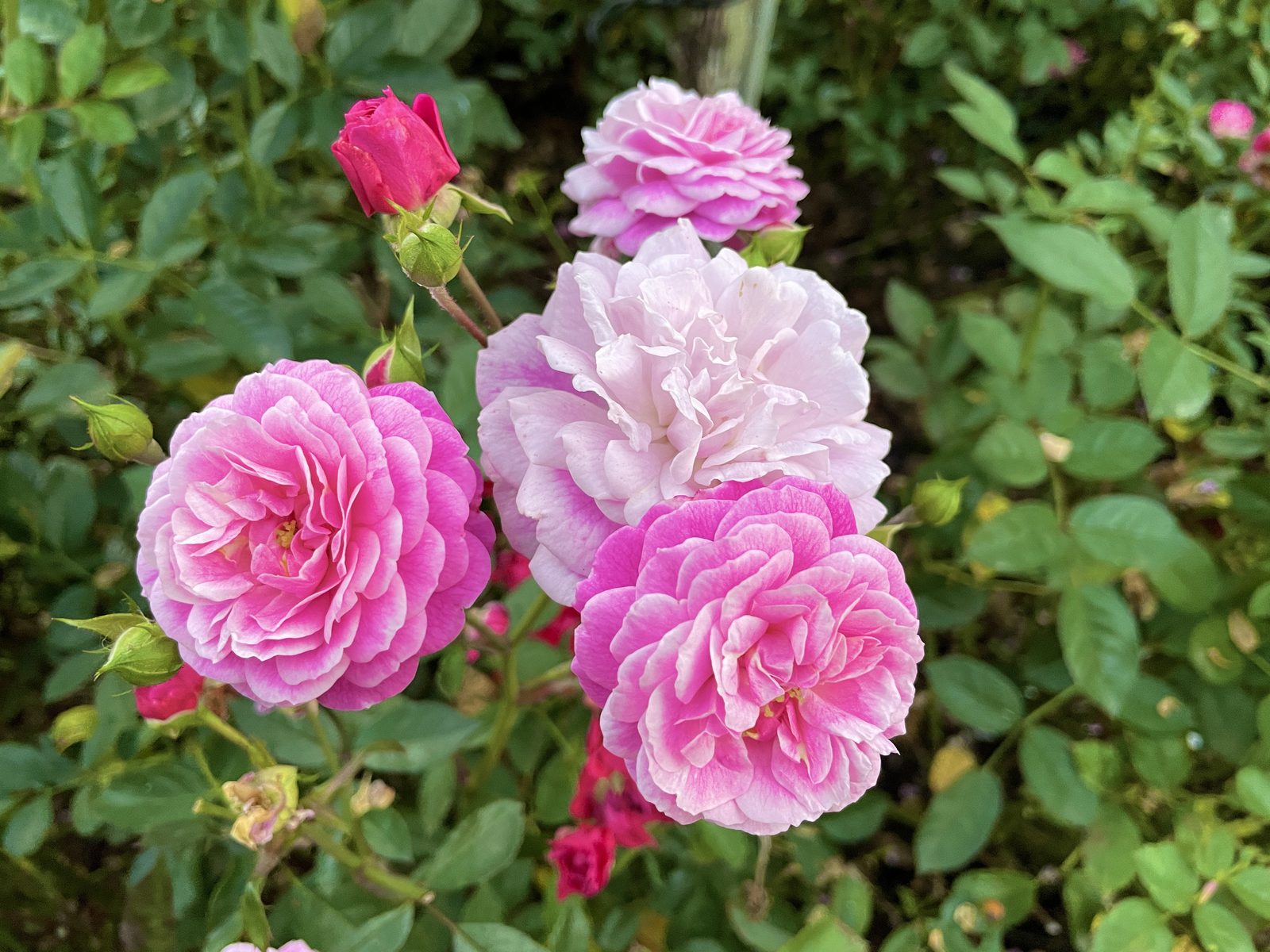
Per Wikipedia, the International Rose Test Garden sits in Washington Park and covers 6.90 acres, home to over 10,000 rose bushes across roughly 650 varieties. Opened in 1917, it's the oldest continuously operating public rose test garden in the United States, and it's a big part of why Portland is nicknamed the "City of Roses." New rose cultivars from around the world are continually sent here to be evaluated on disease resistance, bloom formation, color, and fragrance; the roses bloom from April through October, peaking in June. Source: Wikipedia, International Rose Test Garden.
3. Forest Park — One of the Largest Urban Forest Reserves in the Entire Country
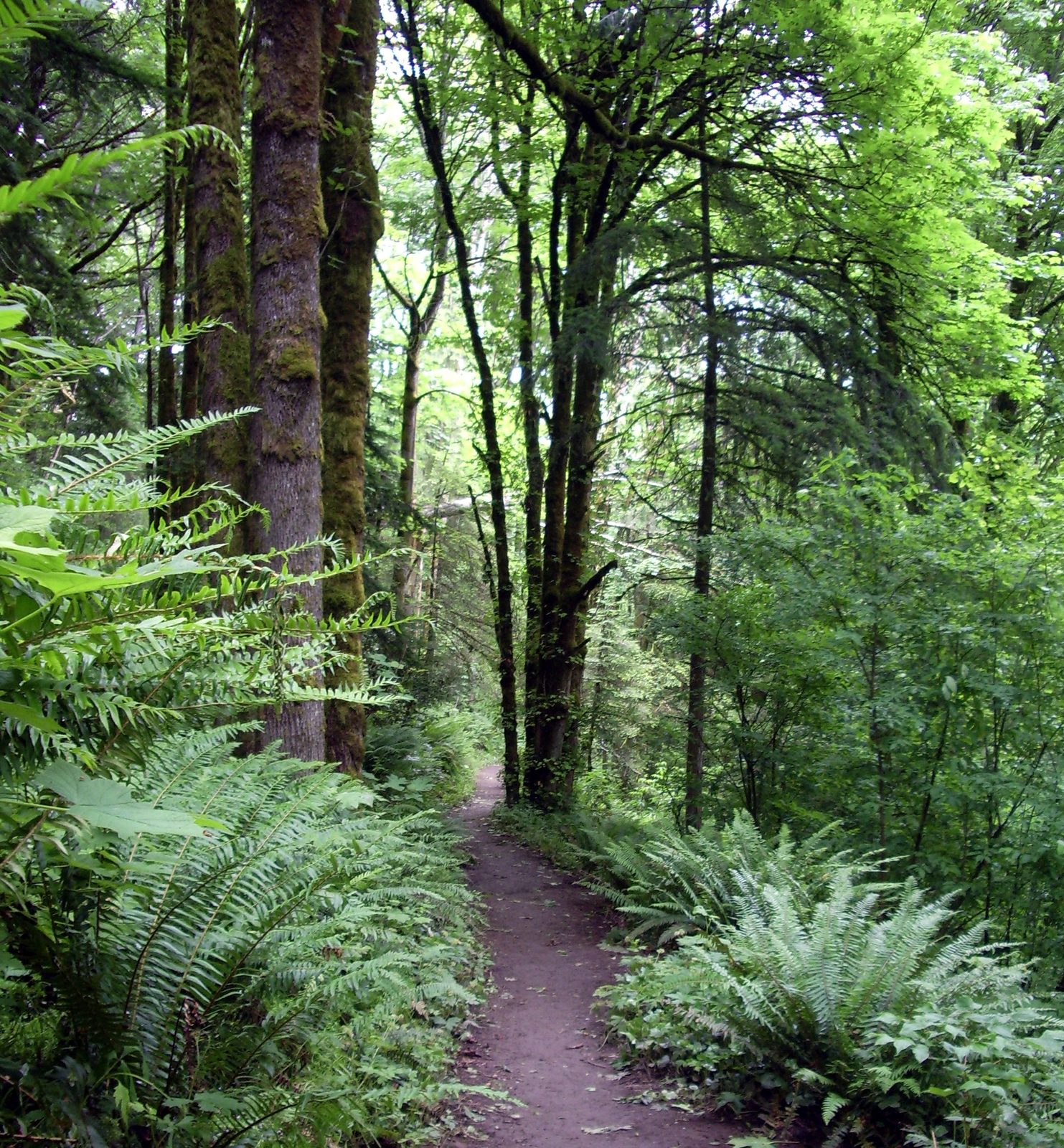
Per Wikipedia, Forest Park stretches for more than 8 miles along hillsides overlooking the Willamette River and covers more than 5,100 acres (5,172.14 acres, per its own infobox), established in 1948. It's described as one of the country's largest urban forest reserves, and it's a real, major component of a regional system of parks and trails — the Wildwood Trail alone runs the length of the park. It's a genuinely large, wild-feeling forest inside city limits, not a manicured city park. Source: Wikipedia, Forest Park (Portland, Oregon).
2. The Portland Japanese Garden — Called ‘the Most Beautiful and Authentic Japanese Garden Outside of Japan’
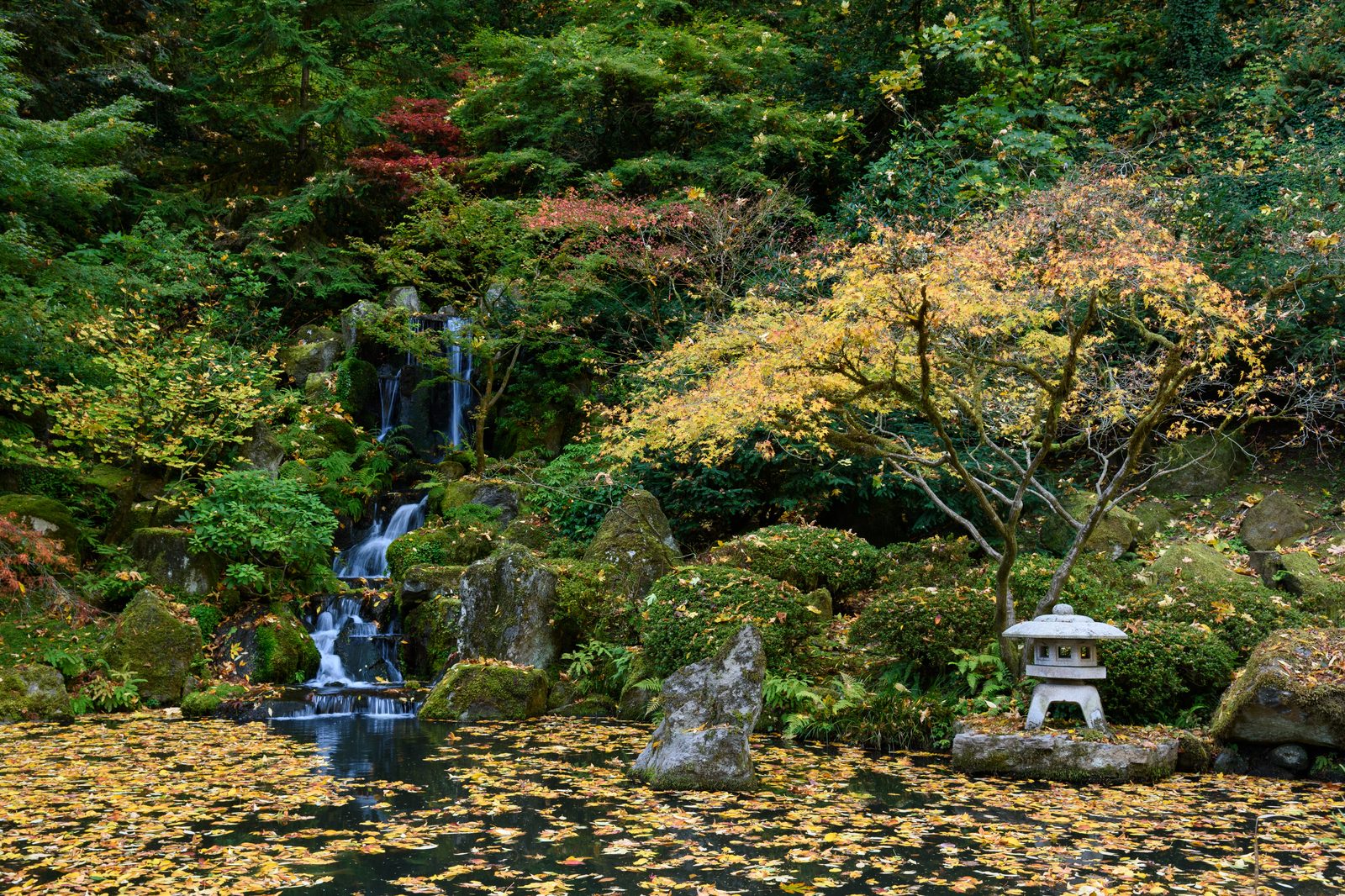
Per Wikipedia, the Portland Japanese Garden considers its founding year to be 1963, when it was formed as the Japanese Garden Society of Oregon (still its official legal name); it opened to the public in 1967 and covers 12.5 acres, drawing over 400,000 visitors in 2024 alone. It's been proclaimed "the most beautiful and authentic Japanese garden outside of Japan," and it's organized into several distinct collections, including a Strolling Pond Garden, a Natural Garden, and a Sand and Stone Garden. Source: Wikipedia, Portland Japanese Garden.
1. Powell's City of Books — the Largest Independent New-and-Used Bookstore in the World
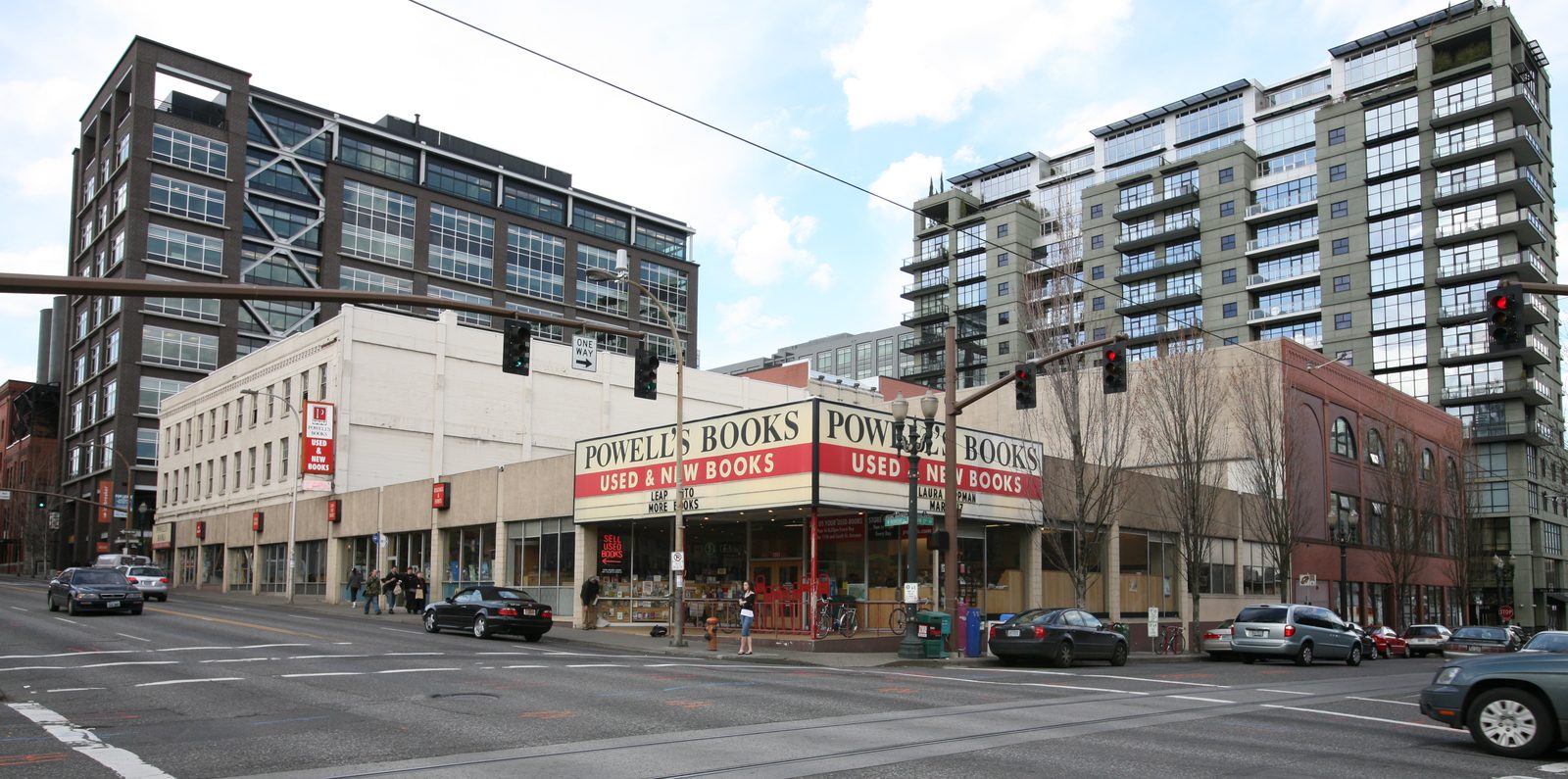
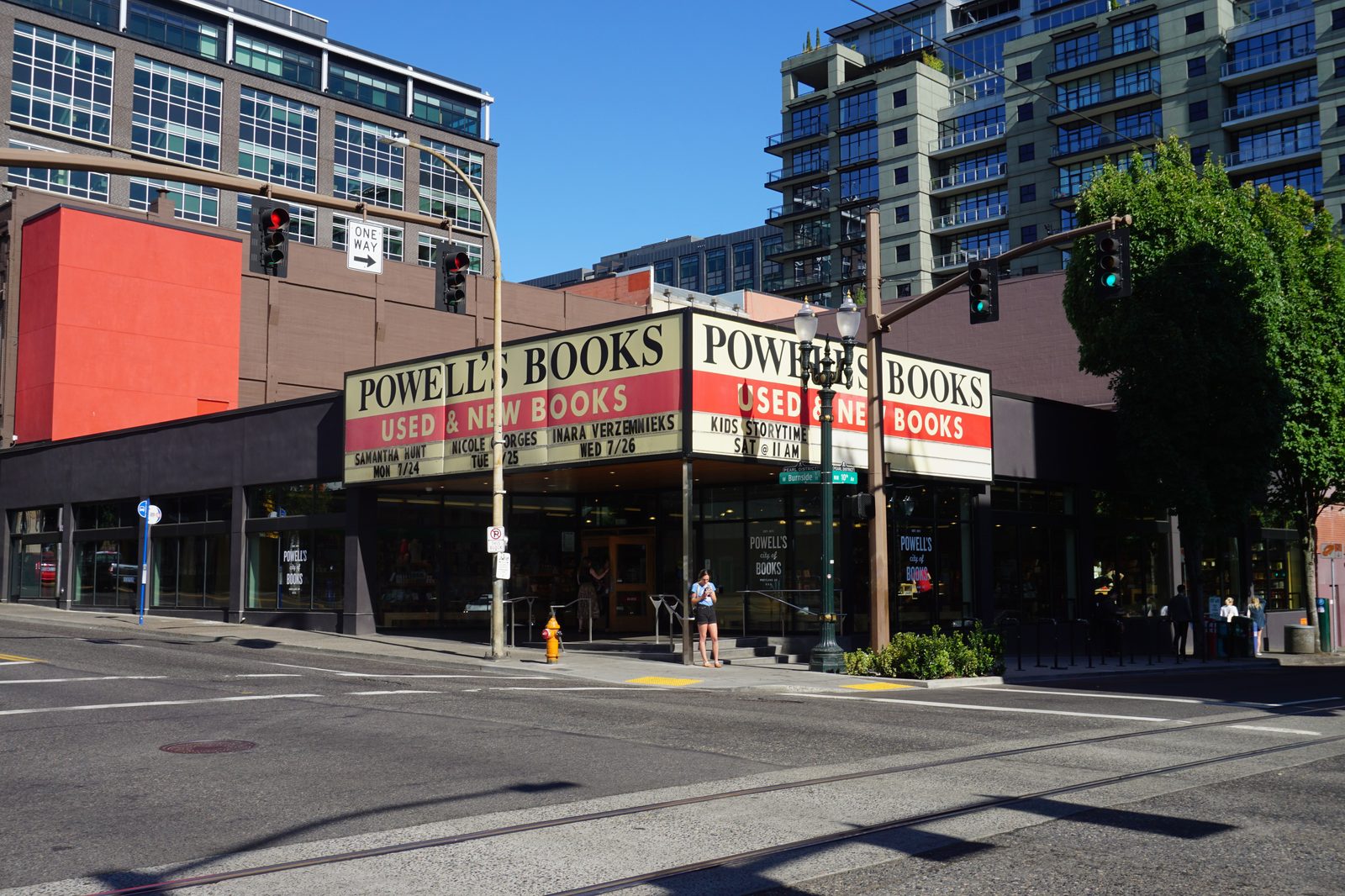
Per Wikipedia, Powell's Books was founded in 1971 by Walter Powell, and its flagship store, Powell's City of Books, claims to be the largest independent new-and-used bookstore in the world. It occupies a full city block in the Pearl District, between NW 10th and 11th Avenues and W. Burnside and NW Couch Streets, with over 68,000 square feet (about 1.6 acres) of retail floor space, split across nine color-coded rooms and more than 3,500 sections. Its combined retail and online inventory runs over four million new, used, rare, and out-of-print titles. It's the single most-cited must-see stop in Portland across nearly every travel guide, and per Wikipedia, it genuinely earns that reputation on scale alone — there's no other bookstore like it in the country. Source: Wikipedia, Powell's Books.
A Quick, Honest Note on Downtown Portland Right Now
Portland's downtown has a reputation, and it's worth addressing directly and factually rather than ignoring it or repeating outdated 2020–2021 pandemic-era narratives. The real, current, sourced picture: per the Major Cities Chiefs Association's own year-end report comparing violent crime across 68 US and Canadian cities, Portland recorded 51 homicides in 2025, down from 68 in 2024 — one of the steepest homicide declines of any major US city, a trend Mayor Keith Wilson highlighted directly in an April 2026 public address, where he also cited declines in break-ins and shoplifting downtown specifically. That said, the same report puts Portland's 2025 homicide rate at just over 8 per 100,000 residents, still notably higher than comparable cities like San Francisco (about 3.4 per 100,000) or New York City (about 3.1 per 100,000) — an honest, unresolved gap rather than a claim that downtown Portland is now problem-free. In short: real, measurable, recent improvement, reported by the city's own police-chiefs-association data and covered by local press in 2026, alongside a real, still-elevated baseline — not a reason to skip the city, but worth knowing before you go. Source: KOIN, "Portland's homicide rate is down, but it remains higher than SF and NYC," April 2026, citing the Major Cities Chiefs Association's year-end violent crime report and Mayor Keith Wilson's April 2026 public remarks.
Nine stops that close out the Reno-to-Portland arc, deliberately without a single brewery in the mix: Mill Ends Park, the famous "world's smallest park" that honestly isn't the record holder anymore as of February 2025; the Portland Aerial Tram, one of only two commuter tramways in the US; the Portland Saturday Market, the country's largest continuously operated outdoor market; Pioneer Courthouse Square, Portland's living room; Multnomah Falls, a real 30-minute drive outside downtown rather than an in-town stop; the International Rose Test Garden, the oldest of its kind in the US; Forest Park, one of the largest urban forest reserves in the country; the Portland Japanese Garden, called the most authentic outside Japan itself; and Powell's City of Books at #1, the actual largest independent bookstore in the world. Portland's brewery and craft-beer scene — the thing most people think of first — is coming next, as its own dedicated post, Discovery #136.