
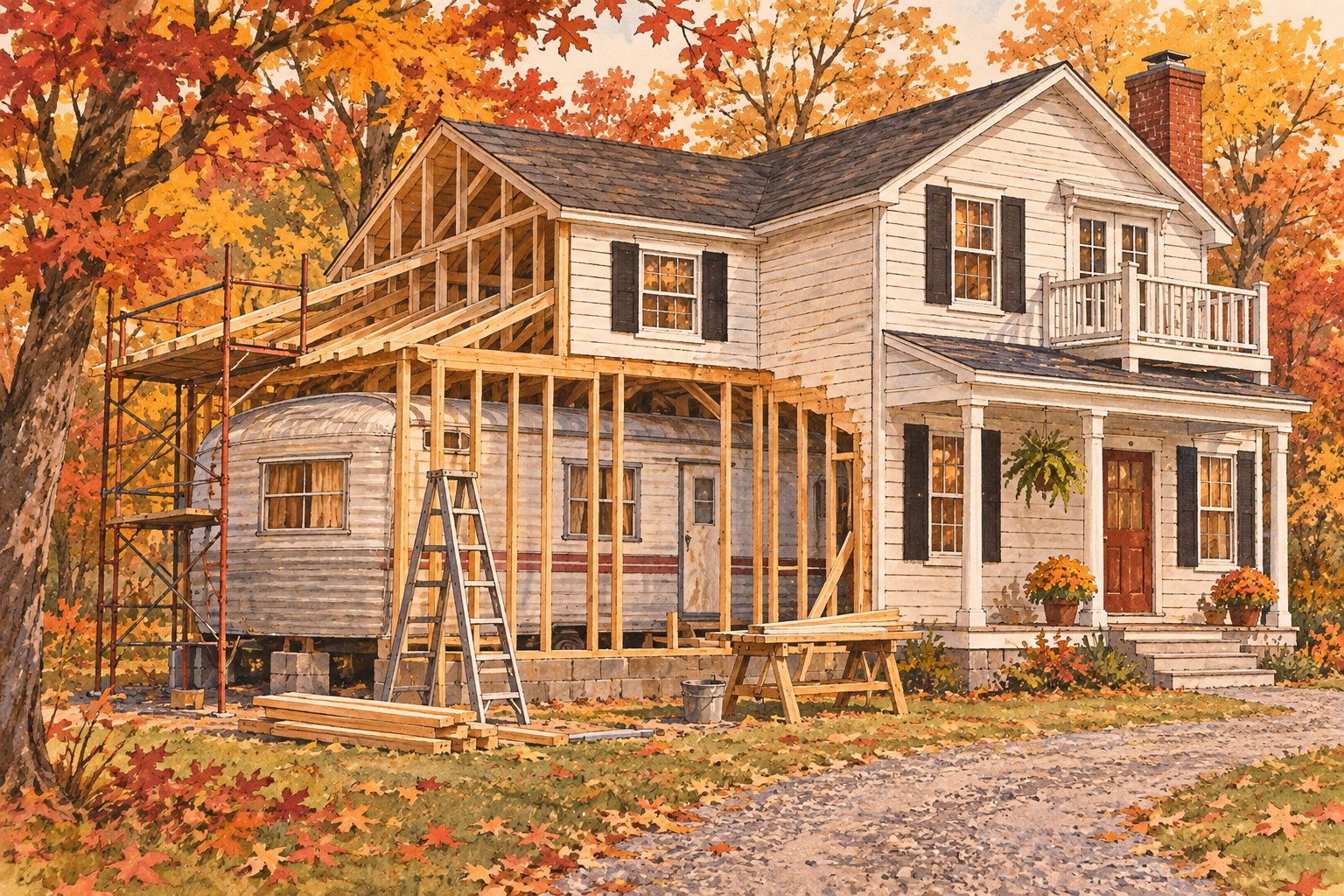
I grew up in a mobile home. Later my dad hauled it onto family land, and over the years he built a two-story house around it.
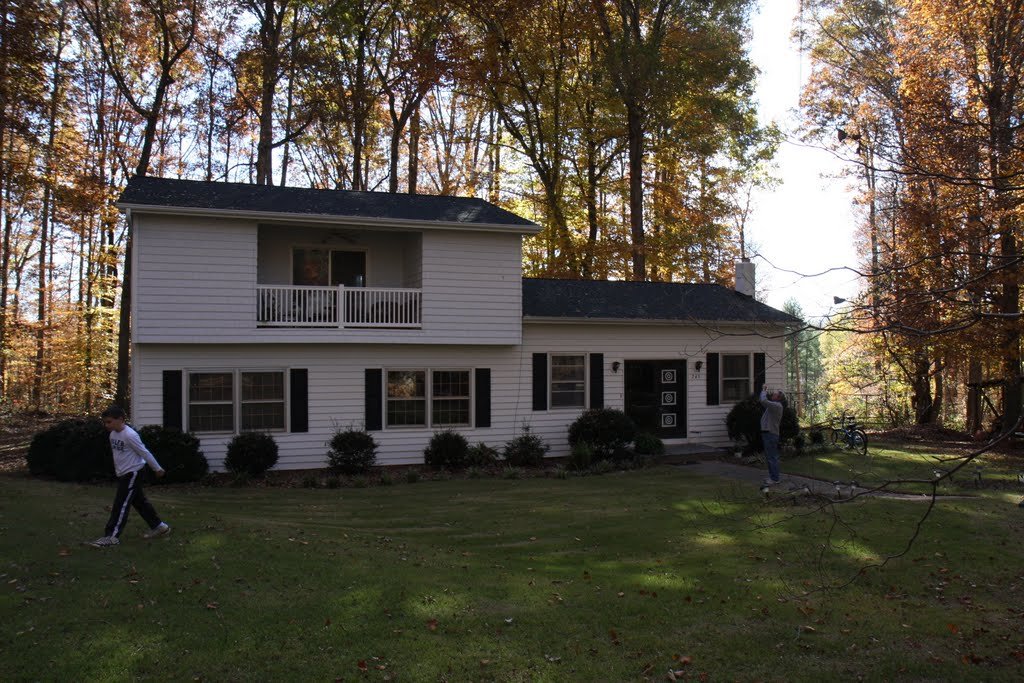
So I was today days old when I learned that you can now skip a few of those steps and order the two-story part on Amazon.
The latest listing to make the rounds is a two-story, expandable container home. According to second-hand reports of a Travel + Leisure piece this month, it lists for just under $45,000, measures roughly 40 by 20 feet when unfolded, and has two bedrooms and a second-floor terrace.
This is not a one-off. In November 2024, Apartment Therapy wrote up a two-story container home from a seller called Hamon at $28,865. A few weeks later, Inman reported that a $13,678 flat-pack unit sold out after Black Friday. These come from third-party sellers, not Amazon itself.
The timing makes sense. White House economists put the national housing shortage at 10 million homes, according to AP reporting. A house that arrives on a truck sounds like an answer.
It is also a very old answer. Americans have been trying to build houses in factories for 120 years. It has worked better than most people think, and it has still never fixed the problem. Here is the story.
The House That Came by Boxcar
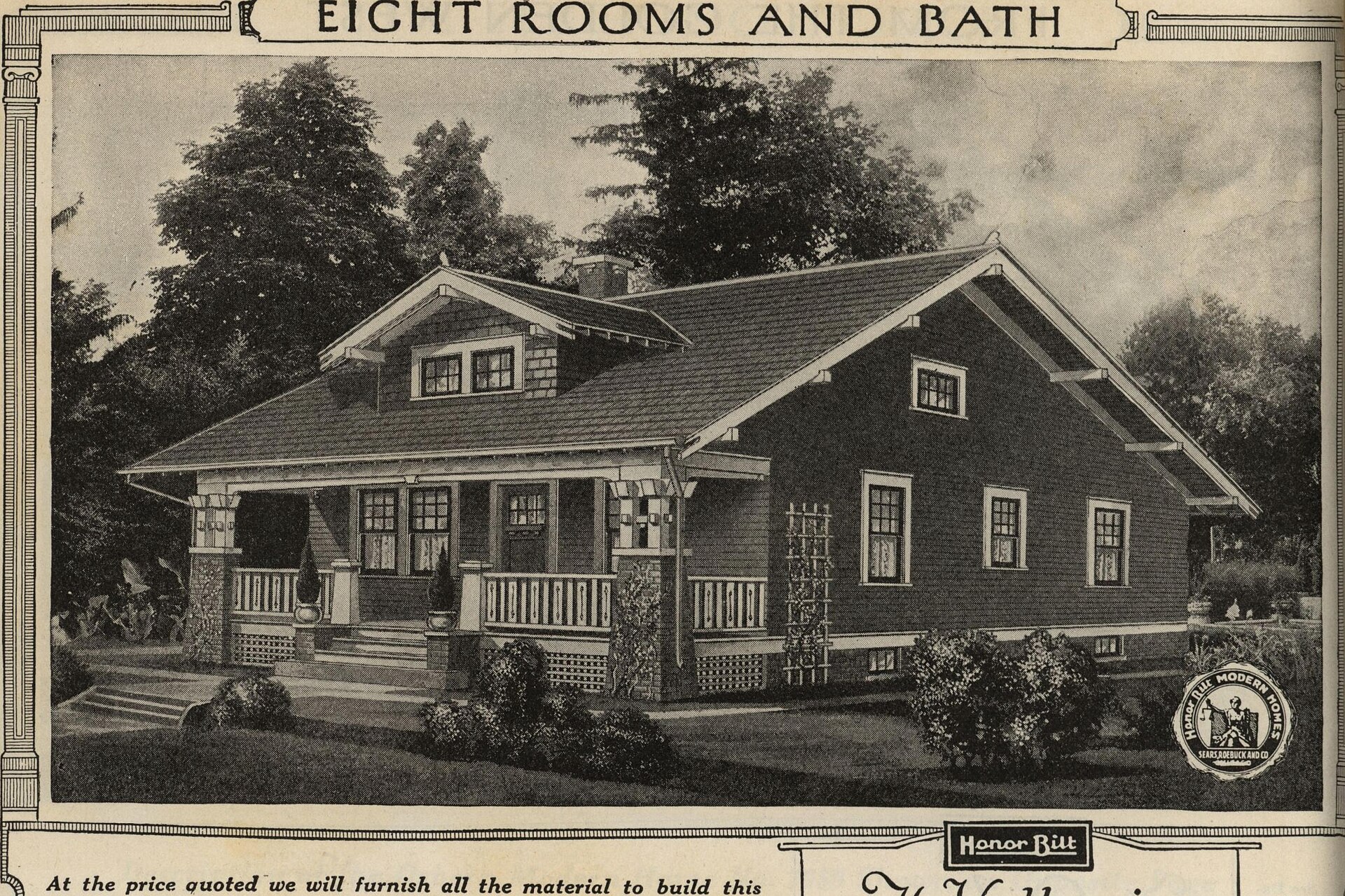
A company called Aladdin sold mail-order kit homes in 1906. Sears followed in 1908 with a catalog of 44 designs priced from $360 to $2,890, per Wikipedia's history of Sears Modern Homes.
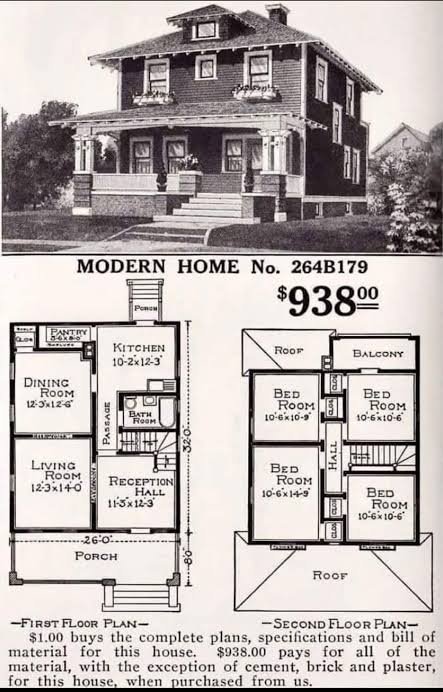
An average kit was about 25 tons of material and more than 30,000 parts, shipped mostly by railroad boxcar. From 1916 the lumber came pre-cut, which was said to trim construction time by up to 40%.
Sears also lent the money. It wrote mortgages from about 1911 through 1933, typically for 5 to 15 years at 6% to 7%. That turned out to be the weak spot. Sales peaked in 1929, and in the Depression Sears liquidated $11 million in defaulted mortgage debt. The last catalog came out in 1940.
Nobody knows exactly how many were sold, because the sales records were destroyed. The Richmond Fed puts it between 70,000 and 75,000.
After World War II, the idea came back in steel. The Lustron house was made of porcelain-enameled steel panels in a former aircraft plant in Columbus, Ohio, with more than $30 million in federal loans behind it. It cost $8,500 to $9,500 in March 1949 and averaged $10,500 by November.
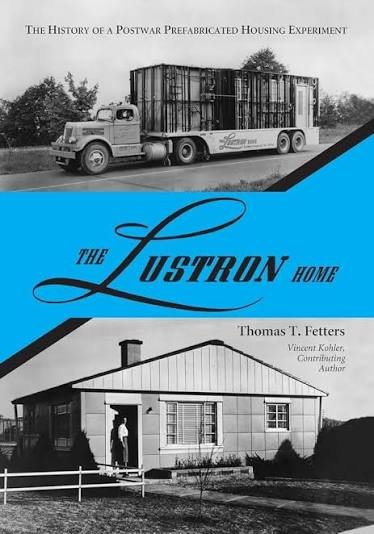
Lustron built 2,498 houses. More than 8,000 orders never shipped. The company lost money on every house, had no working dealer network, and ran into local codes. Some towns banned its steel chimneys. The government foreclosed, and production stopped on June 6, 1950.
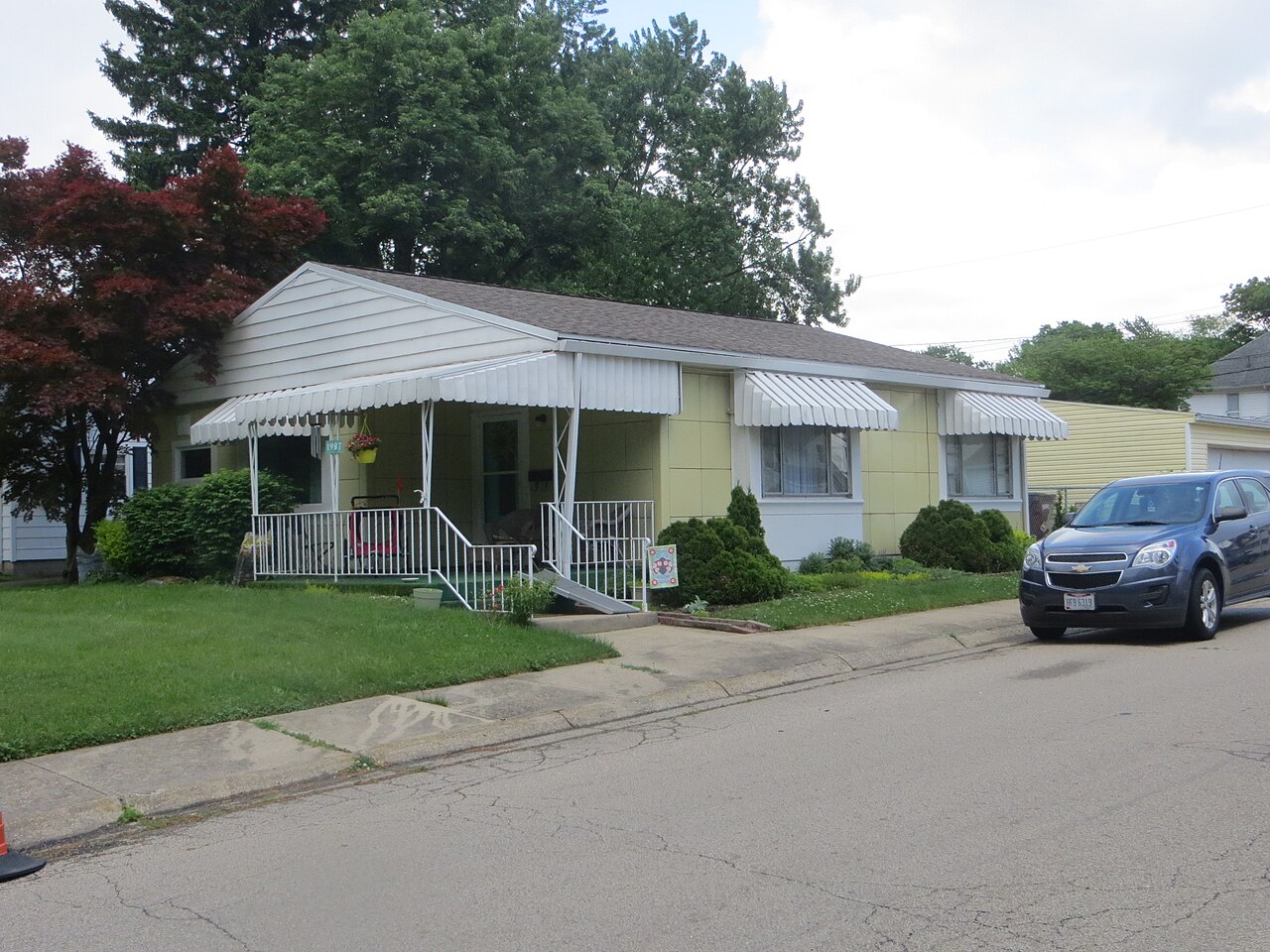
One sad footnote: 60 Lustrons stood at Marine Corps Base Quantico. In 2006, 58 of them were offered free to anyone who would take one away. One person did.
Levittown Took the Factory Outside
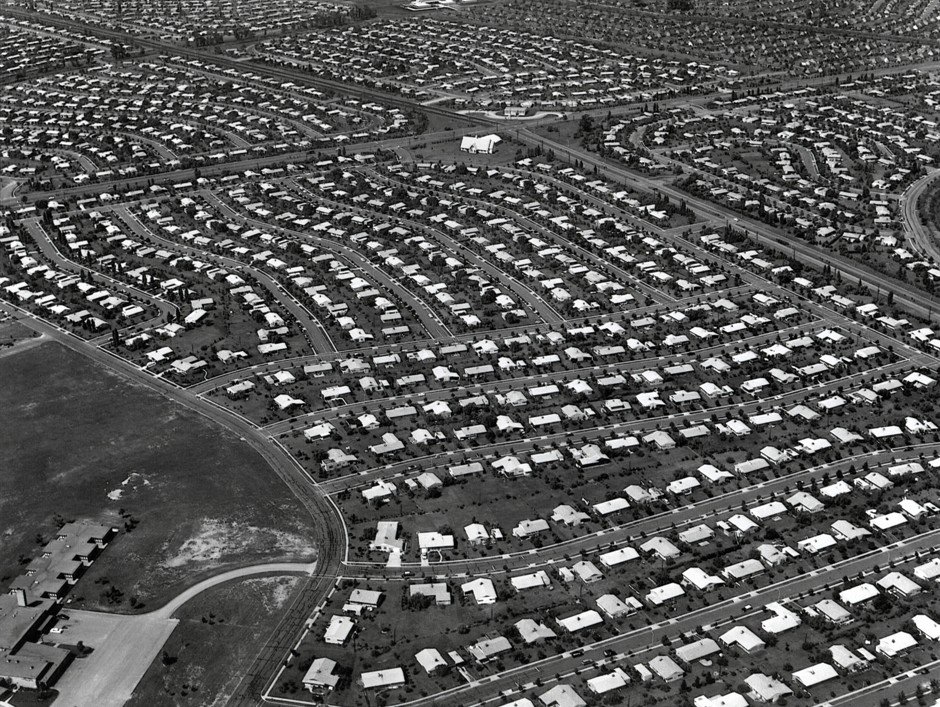
The postwar winner was not a factory house at all.
Levittown, on Long Island, was built on site. What Levitt & Sons borrowed from the factory was the assembly line. Construction was broken into 26 steps. Houses sat on concrete slabs instead of basements, which took a change in the local building code. The lumber arrived pre-cut.
By July 1948 crews were finishing 30 houses a day. By 1951 there were 17,447 homes. Prices started at about $8,000, and veterans could buy with a 30-year mortgage and no money down.
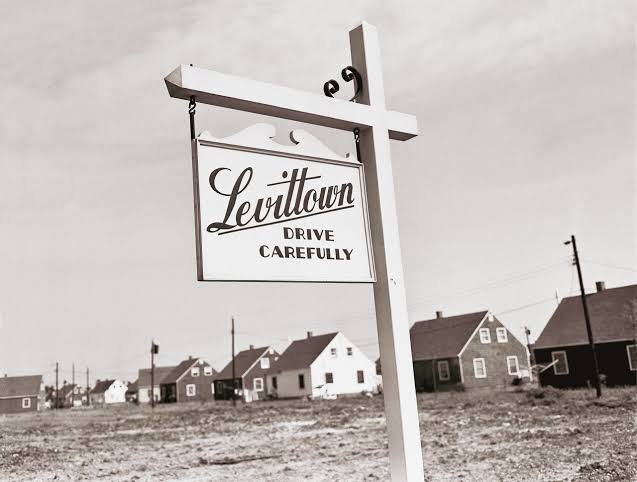
That last part is the lesson. Levittown had cheap construction, cheap land and cheap government-backed loans all at once.
It also had Clause 25. The standard lease said a home could not "be used or occupied by any person other than members of the Caucasian race." The affordable house of 1947 was affordable for some families only.
From Trailer to Mobile Home to Manufactured Home
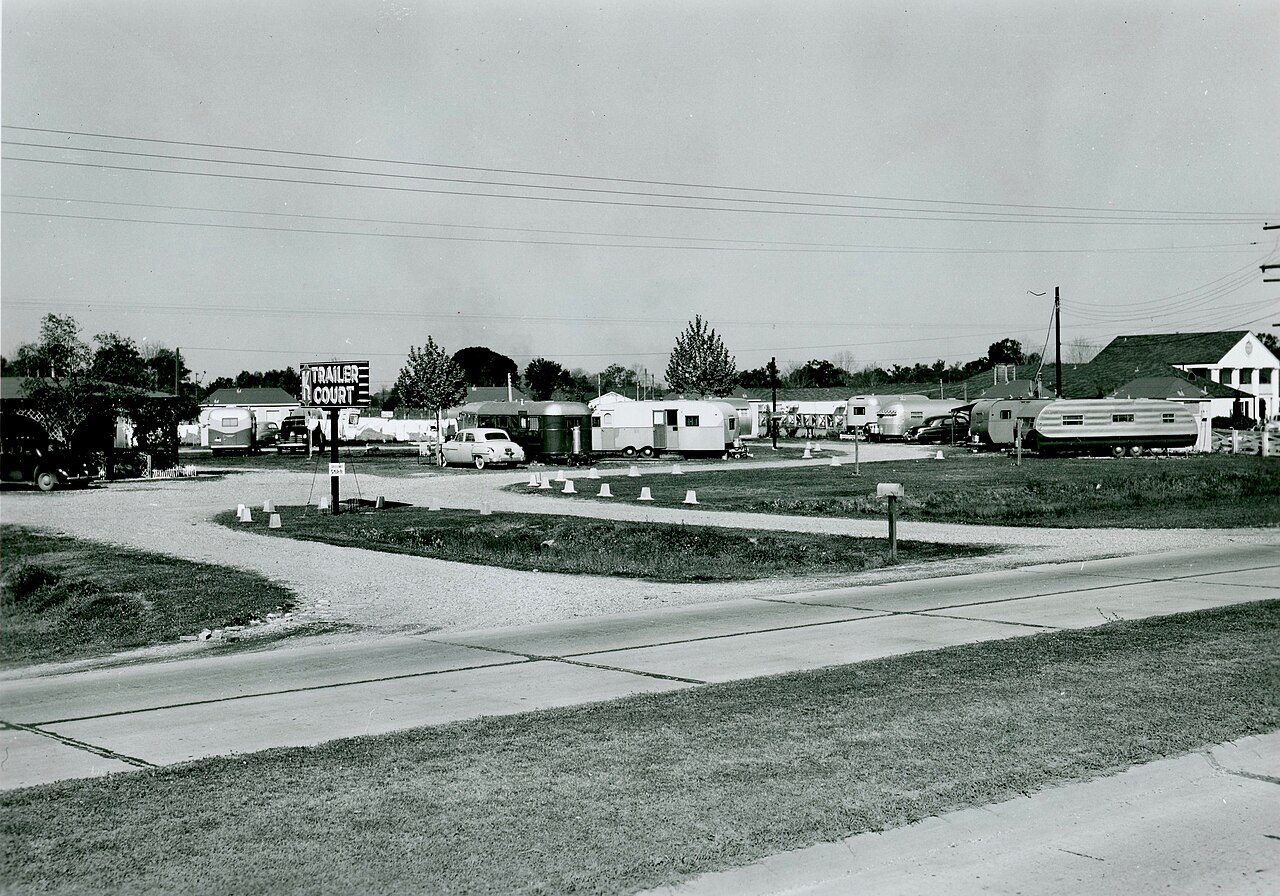
Meanwhile, another factory house was coming up from the bottom of the market.
In 1929 a bacteriologist named Arthur Sherman built a hard-sided travel trailer called the Covered Wagon and sold it for $395, according to High Country News. People began living in them, and by the mid-1930s many towns were passing ordinances restricting trailer parks. The stigma is nearly as old as the product.
The big change came around 1956, when units ten feet wide were allowed on the highways and the name "mobile home" caught on. At ten feet wide it stopped being a thing you towed on vacation. It became a house you towed once.
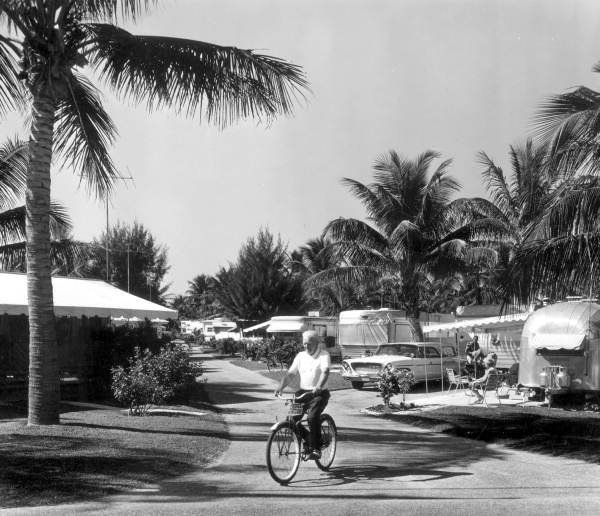
Then came the only true factory-housing boom the country has had. The Minneapolis Fed tracked it:
- Shipments rose from 60,000 in 1947 to nearly 600,000 by 1973
- At the peak, mobile homes were more than a third of single-family home production
- Price per square foot, in 1960 dollars, fell from about $18 in 1960 to $6 in 1973
- A typical 700-square-foot mobile home cost about $6,500 in 1973
Conventional builders noticed. A 1971 trade magazine headline read: "It's time to take the low-price market back from the mobiles."
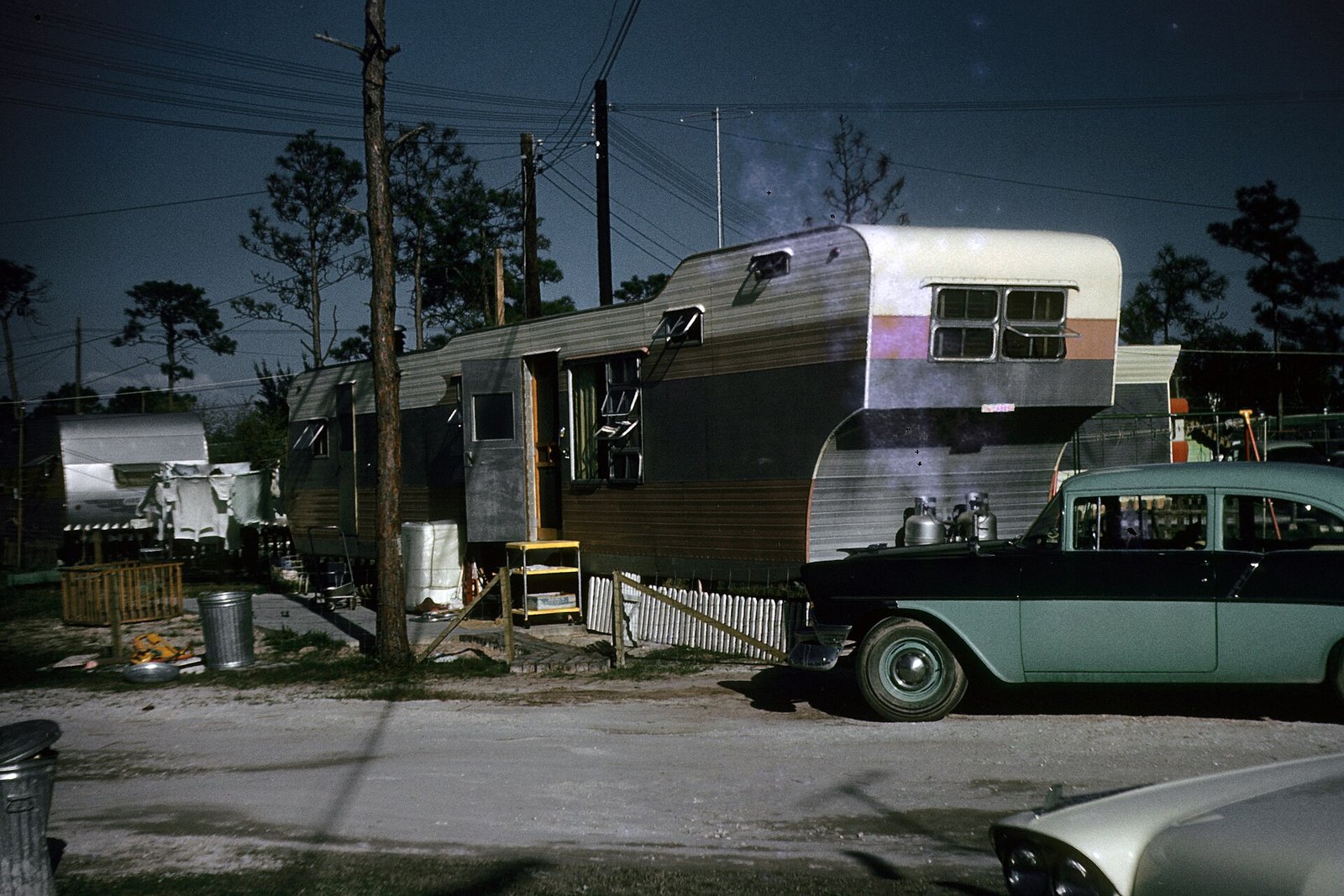
Congress passed a national safety law in 1974, and the federal standards known as the HUD Code took effect on June 15, 1976. Strictly speaking, a "mobile home" is one built before that date. Everything since is a "manufactured home," a name federal law adopted in 1980.
The HUD Code also required a permanent steel chassis. Before 1974, owners commonly pulled off the frame, axles and wheels once the home was in place. After, the trailer frame stayed for good.
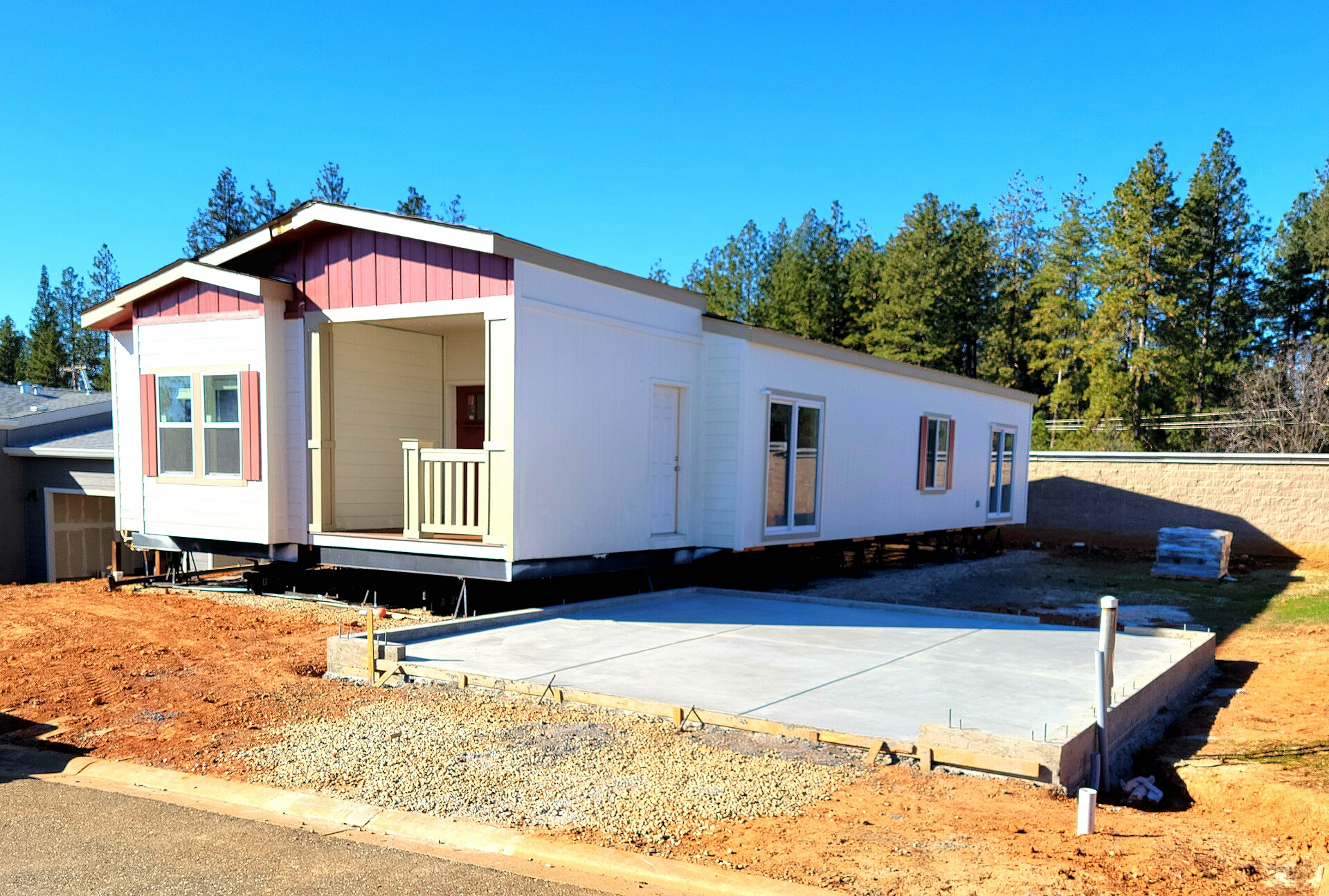
The boom ended in the mid-1970s. One Minneapolis Fed economist argues the HUD Code itself killed it. That is one economist's thesis, not a consensus. A recession and tight financing hit at the same time.
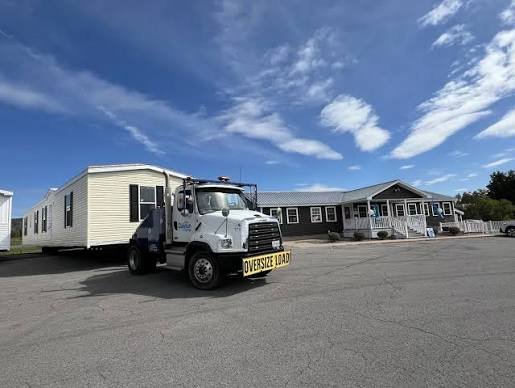
There was one more surge, fueled partly by loose lending, that peaked at about 373,000 homes in 1998. In 2025 the industry produced 102,738. Governing puts production more than 70% below its 1998 level.
What a Factory House Actually Costs
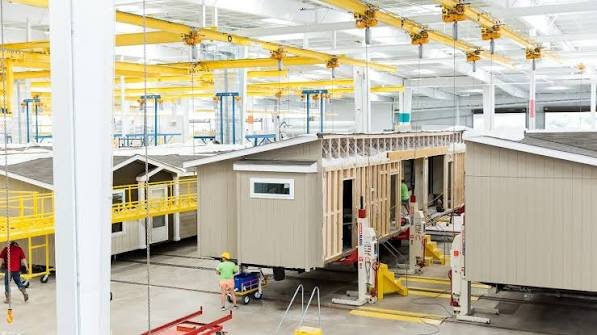
The numbers are better than the reputation.
| Measure | Figure | Source |
|---|---|---|
| Occupied manufactured homes | 7.2 million, 5.4% of occupied housing (2023) | NAHB |
| People living in them | Roughly 20 million | Stateline |
| Cost per square foot, new, without land | $86.62 vs. $165.94 site-built (2023) | NAHB |
| Average new manufactured home | $127,200 in 2025, up from $81,900 in 2019 | Census via Stateline |
| Median household income of residents | $40,000 vs. $85,000 in single-family homes | NAHB |
| Homes produced | About 373,000 in 1998; 102,738 in 2025 | Trade data |
| Modular and panelized share of new single-family homes | 3% in 2024, down from 7% in 1998 | NAHB |
Sources: NAHB, NAHB on modular share, Stateline via CT Mirror.
Two things jump out. A factory home costs about half as much per square foot, and HUD itself has called manufactured housing the largest source of unsubsidized affordable housing in the country. But the average price rose 55% in six years. Cheap is relative.
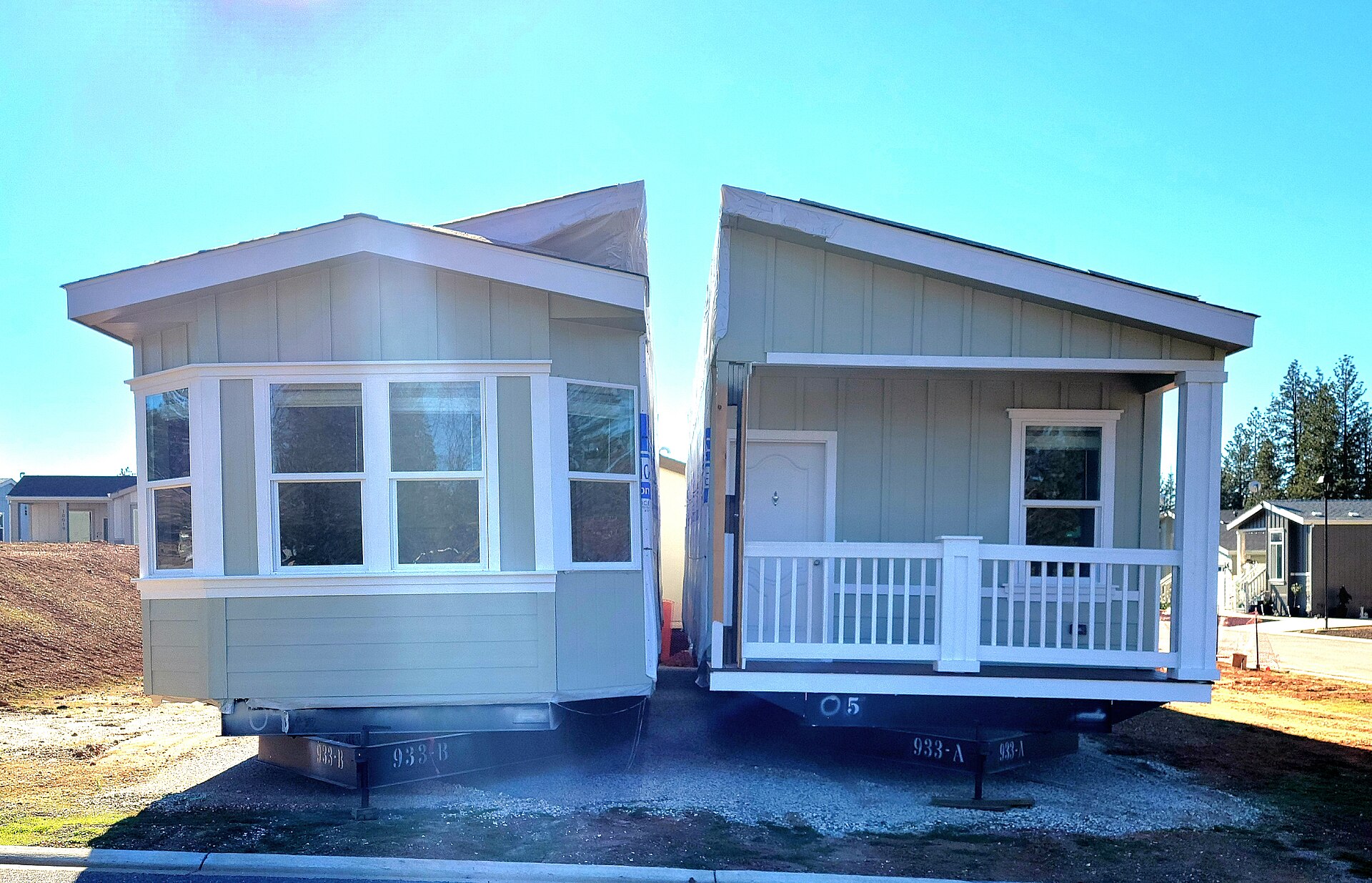
The last row surprised me most. Modular and panelized building's share of new homes has been shrinking for 25 years, the same 25 years in which everyone called it the future.
Why It Hasn't Fixed the Crisis
The factory is the easy part. The hurdles are everything around it.
Where you can put it. A National Zoning Atlas review of more than 6,700 Texas zoning districts, reported by Stateline, found 33% of localities explicitly restrict manufactured housing and another 11% allow it only by special hearing or permit. A 2024 survey of upstate New York found at least 80% of local governments ban manufactured homes or confine them to parks. The tools are bans, minimum lot sizes, minimum house sizes and rules about roof pitch and siding.
How you can pay for it. A manufactured home that is not titled as real estate is personal property, like a car. The loan is called a chattel loan, not a mortgage. The CFPB found about 42% of manufactured-home purchase loans are chattel loans, with higher rates and fewer protections. Fewer than 30% of manufactured-home loan applications are approved, against more than 70% for site-built homes. That data is from 2019, but the structure has not changed. The Minneapolis Fed put chattel rates at 9% or more for a buyer with good credit as of late 2024.
The cheapest homes get the most expensive money.
Who owns the dirt. According to Shelterforce, nearly half of manufactured-home owners own the land under the home, and about 40% lease it. A third of manufactured homes are too old to be legally moved. So "mobile" is a misnomer. A resident who cannot afford a rent increase often cannot take the house anywhere.
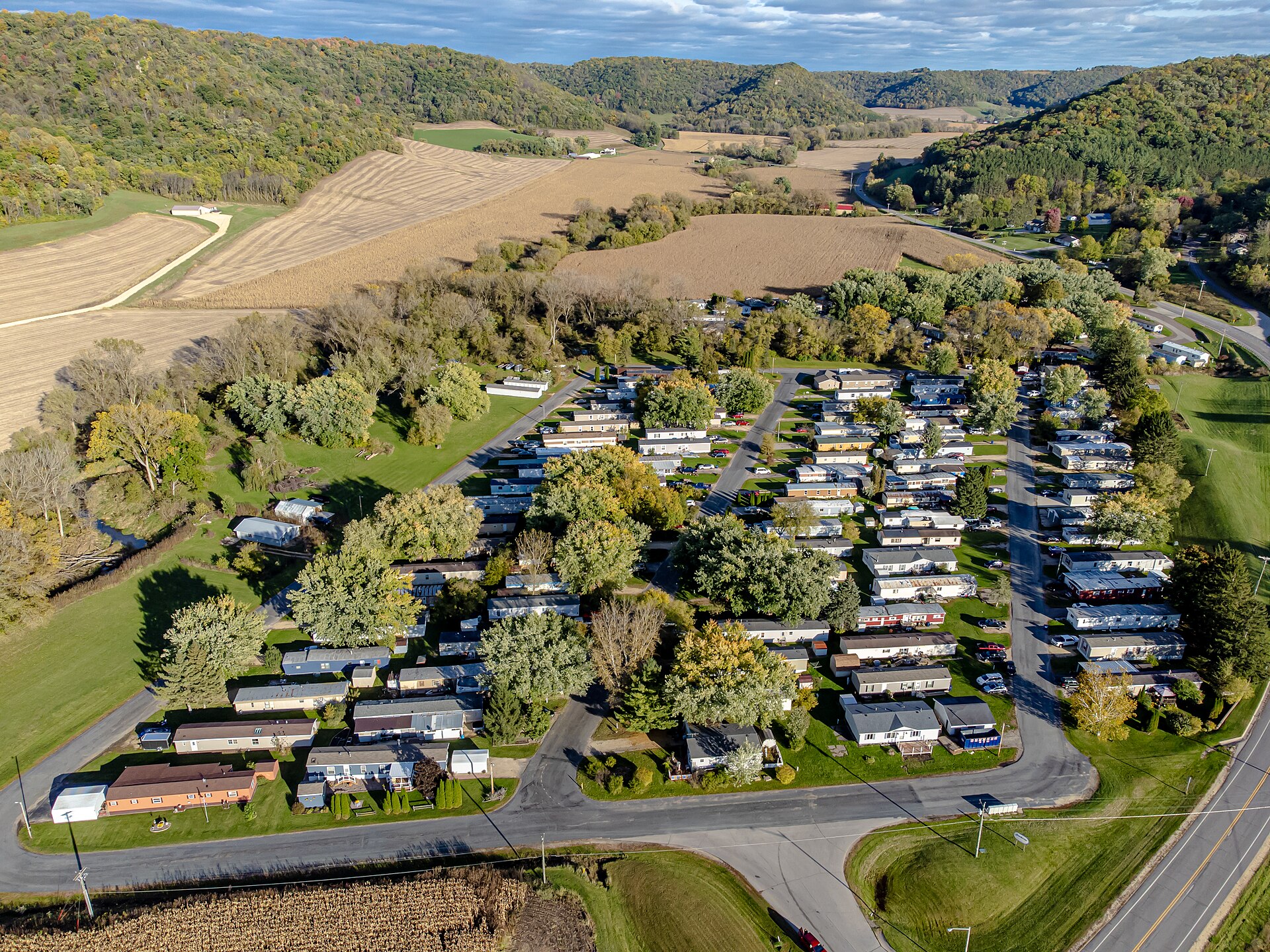
Investors have noticed. Institutional buyers made up 23% of park purchases in 2020 and 2021, up from 13% a few years earlier. Blackstone paid $550 million for 40 communities in 2020. In one Fort Collins, Colorado, park bought by an investor in 2021, one couple's lot rent went from $555 in 2021 to $856 in February 2025. To be fair, the dramatic cases are not the average, and 356 parks have been bought by their own residents with help from a nonprofit called ROC USA.
Land matters for value too. A federal index shows manufactured homes gained 203.7% from 2000 to 2024, against 200.2% for site-built homes. The catch is that the index only covers homes sold with their land.
Whether the factory stays busy. A factory needs steady orders, and housing demand swings with interest rates. Katerra, founded in 2015, burned through more than $2 billion of investor money and filed for bankruptcy in June 2021. Veev raised $600 million and was reported shutting down in November 2023. It rhymes with Lustron: big factory first, steady demand never.
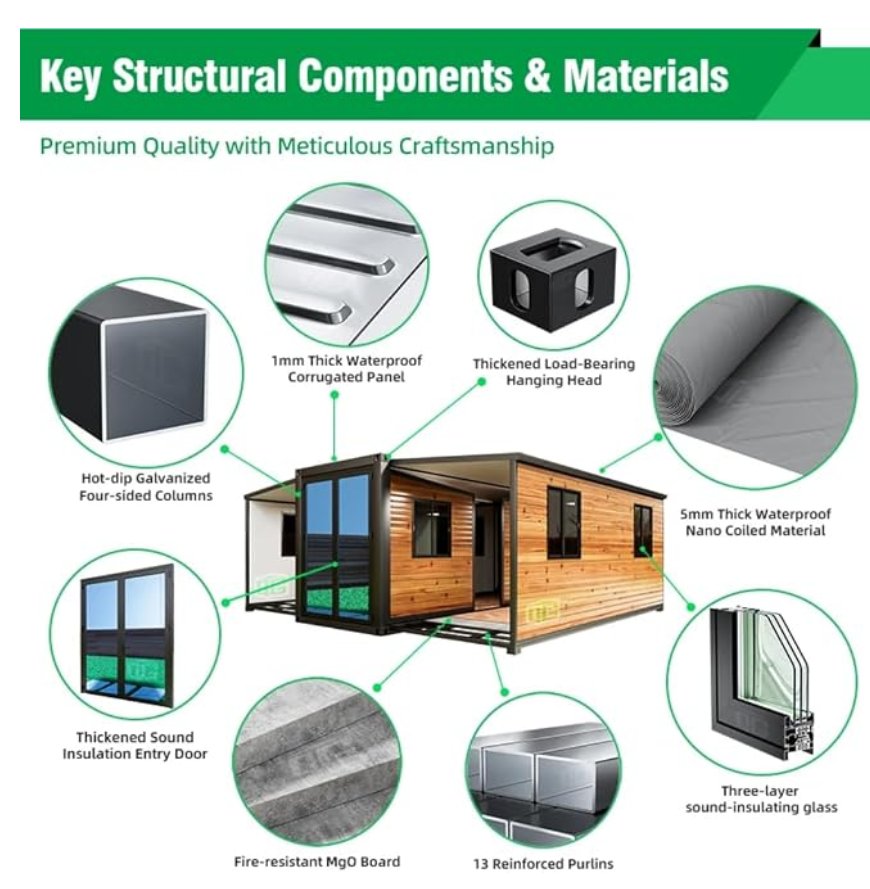
What the box leaves out. Which brings us back to Amazon. The sticker price does not include land, zoning approval, permits, a foundation, utility hookups, delivery, a crane or assembly labor. Apartment Therapy's own article carries a correction that the listing "shows features and finishes that may not be included with the product as priced."
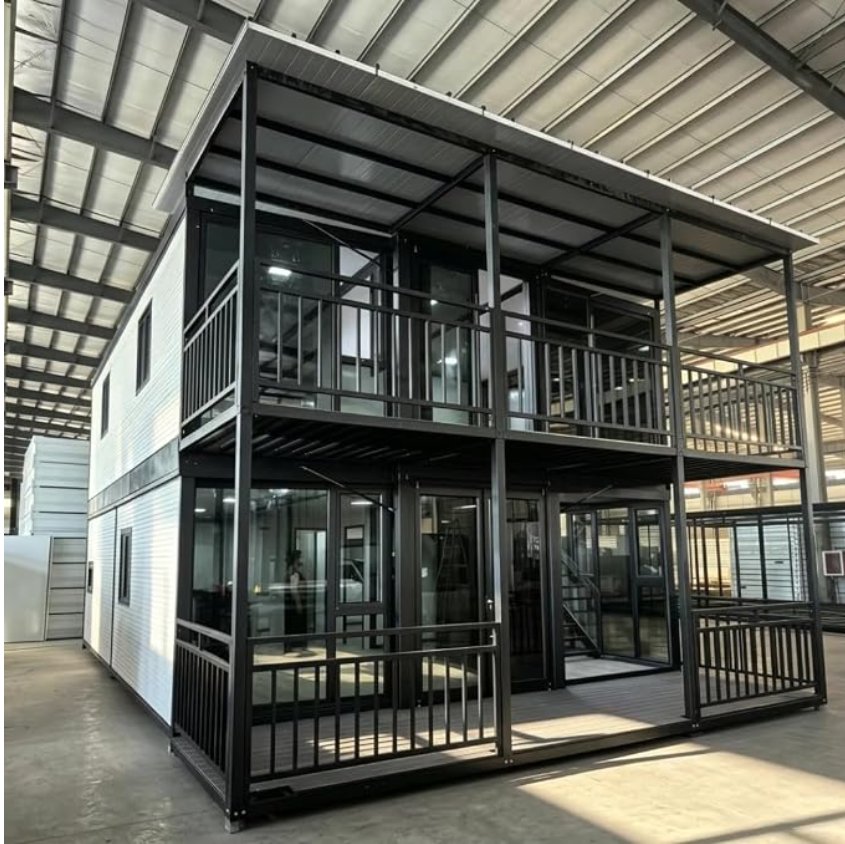
Architect Mark Hogan made the skeptic's case in a piece titled "What's Wrong With Shipping Container Housing? Everything." Every surface of a steel box needs insulation. Every window you cut needs steel reinforcement. His verdict: "It probably won't save you any money over conventional construction (and very well might cost more)."
What Just Changed
For the first time in decades, the rules are moving.
- 1906: Aladdin sells mail-order kit homes
- 1908: First Sears Modern Homes catalog
- 1947: First families move into Levittown
- June 1950: Lustron production stops
- 1956: The ten-wide and the name "mobile home"
- 1973: Mobile home shipments near 600,000 a year
- June 15, 1976: The HUD Code takes effect
- 1998: Modern peak, about 373,000 homes
- September 2024: HUD's biggest code update in more than 30 years
- July 2026: The ROAD to Housing Act becomes law
- July 11, 2027: Deadline for states to catch up
In September 2024, HUD updated 90 standards and for the first time allowed manufactured homes with up to four units. In June 2026, HUD proposed letting upper-floor sections go without their own chassis, which opens the door to two-story manufactured homes.
Then in July 2026 the 21st Century ROAD to Housing Act became law. It passed the Senate 85-5 and the House 358-32, and took effect without the president's signature, according to the National Conference of State Legislatures. Its headline change: a manufactured home no longer has to sit on a permanent chassis, ending a mandate that dated to 1974. Experts quoted by Stateline estimate that could save $5,000 to $10,000 per home.
There is a catch. Each state must certify by July 11, 2027, that its own laws treat chassis-free homes the same as other manufactured homes for financing, titling, insurance, taxes and installation. A state that does not cannot have them built, installed or sold there. Pew reportedly estimates about 30 states need to change their laws. And nobody can build one until HUD writes the standards.
The law also adds no new funding for federal housing programs and does not override local zoning. As Rep. Sam Liccardo of California put it: "This is not going to provide immediate relief for tens of millions of families that are struggling to pay rent."
The Four Walls
Every wave of factory housing has promised to end the shortage. Sears, Lustron, the 1970s mobile home and Katerra all ran into the same four walls: where you are allowed to put it, how you are allowed to pay for it, who owns the ground under it, and whether the factory can stay busy.
An Amazon listing solves none of the four. It is a box. A useful one, maybe, but the box was never the hard part.
Factory-built housing is not a fantasy. Roughly 20 million Americans live in it right now. The question for the next few years is whether states and lenders will let it be a house.
My dad's answer was a mobile home, family land and years of building around it. The 2026 version comes with free shipping. The land is still up to you.