Discoveries #129 through #132 ran a real chain: Las Vegas to Reno, then Reno's casinos, then Reno's non-casino side, then the Tahoe day trip. This is the next leg, not a standalone post: continuing north out of Reno toward Portland on the scenic, less-trafficked route rather than the interstate. The route itself was verified through OSRM driving routing rather than assumed. Routed leg by leg from Reno: US-395 north to Susanville, California (87 miles, about 1 hour 45 minutes); US-395 continuing north through the far-northern-California/southern-Oregon high desert to Lakeview, Oregon (another 158 miles, about 3 hours 25 minutes); then west off 395 onto OR-140 and OR-62 to Crater Lake National Park (131 miles, about 3 hours 30 minutes, slowed by the park's own mountain roads); then west-rim park roads and US-97 north to Bend, Oregon (105 miles, about 2 hours 30 minutes); and finally over the Cascades on US-20 through Santiam Pass, then OR-22 and I-5 into Portland (176 miles, about 4 hours). Total: roughly 657 miles and 15 hours of actual driving time, spread realistically over several days. Road names were checked step-by-step against OSRM's own routing output, not assumed from a map glance: US-395 the entire way from Reno to Lakeview, then OR-140, Sprague River Road, OR-422, and OR-62 into the park, confirming this really is a standard, drivable routing rather than an invented shortcut.
One honest correction up front, since overreaching on "stops right on the route" is an easy trap here: Lassen Volcanic National Park, a natural candidate given how close it looks on a map, is not actually on this route. Geocoded and routed directly rather than assumed, the park entrance sits about 78 miles and roughly 1 hour 45 minutes from Susanville, each way — a genuine 156-mile, 3.5-hour round-trip detour off US-395, not a pass-through. It's flagged below as a real, worthwhile side trip for anyone with the extra day, not counted as one of the six on-route stops. Counted down from #6 to #1.
6. Lassen Volcanic National Park — a Real Place, but an Honest 156-Mile Round-Trip Detour Off 395, Not a Drive-Through
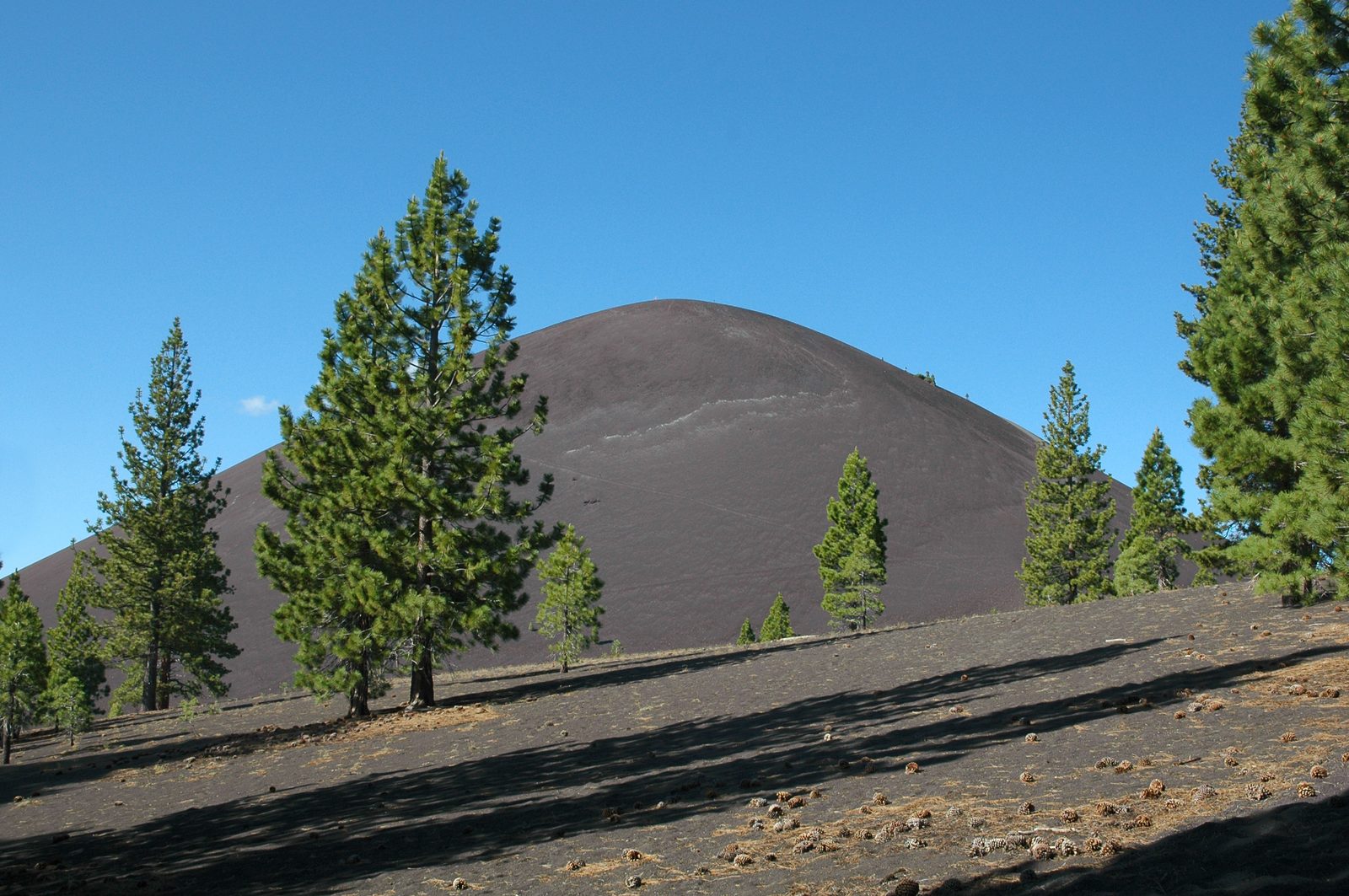
Lassen sits roughly 40 miles west of Susanville as the crow flies, per Wikipedia's own account of Susanville's geography, but the actual drive is longer and runs on different roads entirely from US-395. Routed directly through OSRM from Susanville to the park entrance and back: about 78.1 miles and 1 hour 42 minutes each way, a genuine 156-mile, roughly 3.5-hour round trip that has to be added on top of the Reno-to-Portland mileage above, not folded into it. Worth it for anyone with the time regardless — it's a real, active volcanic landscape with hydrothermal features, and this counts it honestly as a detour rather than implying it sits along the drive.
5. Susanville, California — the Lassen County Seat, and a 1927 Rail Depot Saved From a Firefighter Training Burn
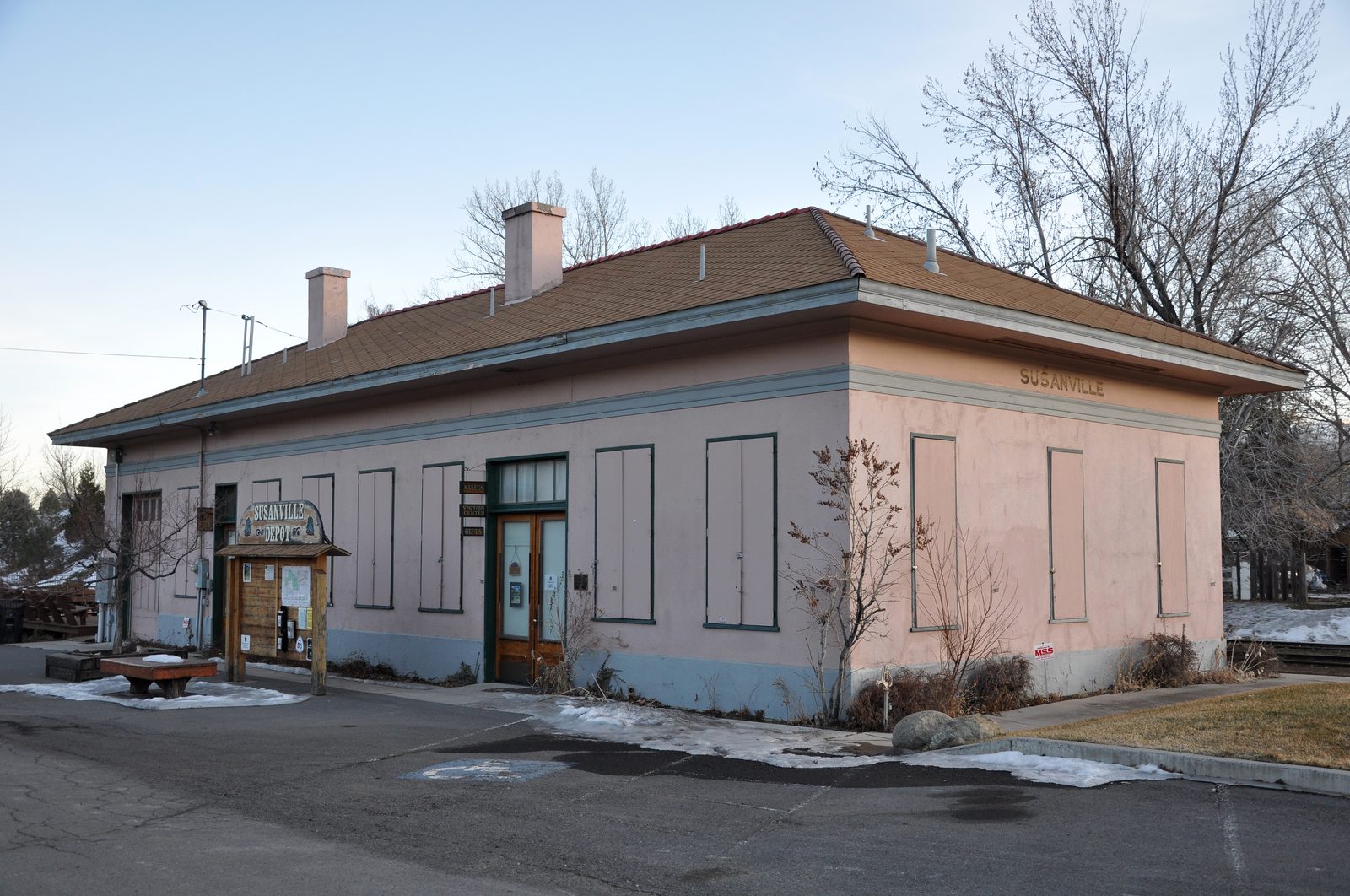
Per Wikipedia, Susanville is the only incorporated city in and the seat of Lassen County, and is described in its own Wikipedia article as "a gateway city to Reno on U.S. Route 395" — matching the drive exactly. The genuine historic stop here is the Susanville Railroad Depot, a National Register of Historic Places property built in 1927 for the Fernley and Lassen Railway, a Southern Pacific subsidiary. Passenger service ended in 1933 and freight use lasted until a 1956 washout, after which the station sat vacant and was vandalized; in 1987 it was actually offered to the local fire department to be burned as a training exercise, which sparked local opposition, and a nonprofit formed to buy and restore it instead. It reopened in 1994 and today houses the Lassen Land and Trails Trust's offices and a small museum, and it's the trailhead for the Bizz Johnson Trail, a rail-trail running west along the old right-of-way. Source: Wikipedia, Susanville Railroad Depot.
4. Lakeview, Oregon — the ‘Tallest Town in Oregon,’ and the Real 1991 ‘Hang Gliding Capital of the West’
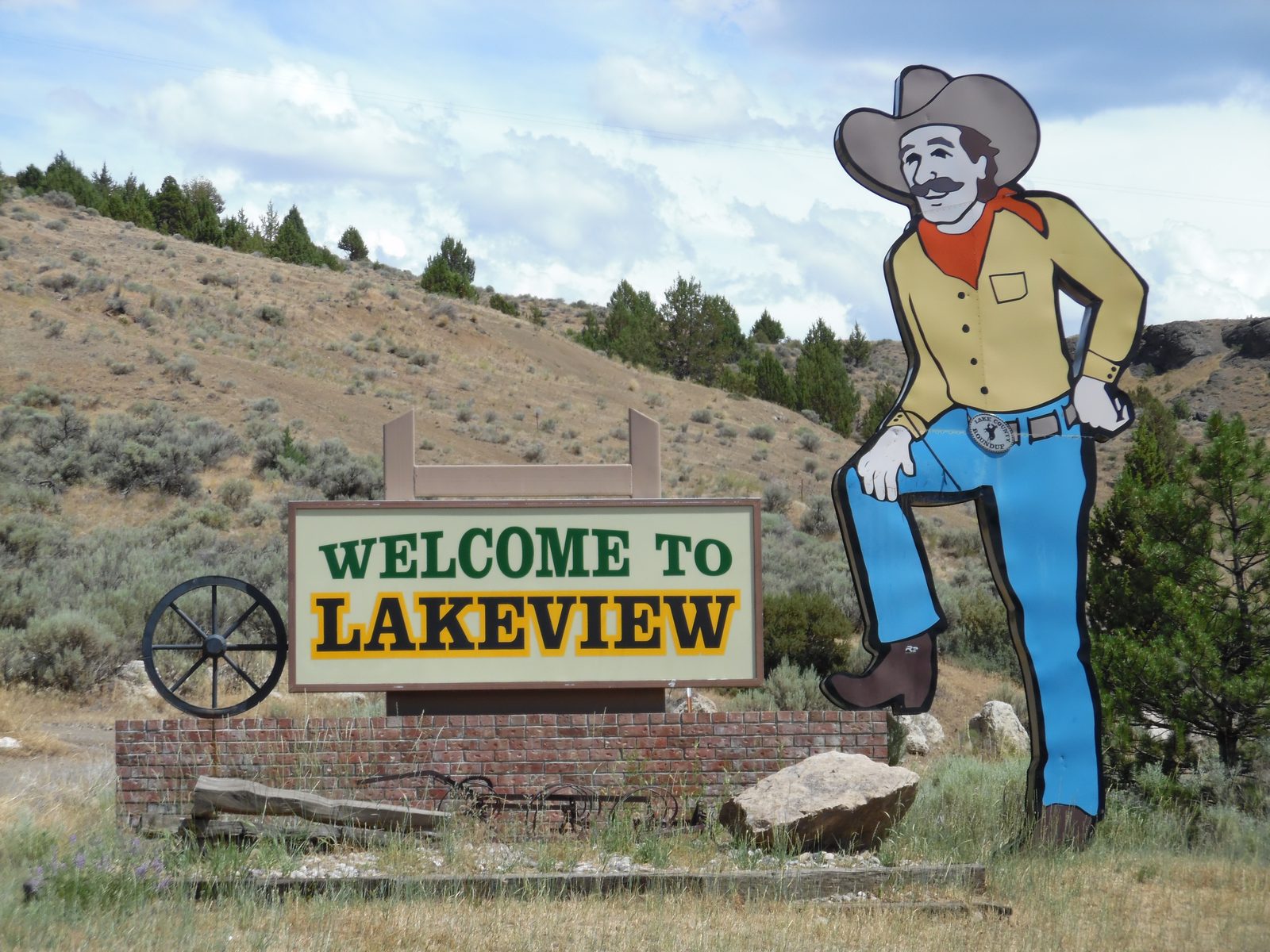
Per Wikipedia, Lakeview is the seat of Lake County, Oregon, sitting at roughly 4,757 to 4,800 feet elevation (sources give slightly different figures) in the Goose Lake Valley at the edge of the high desert, and it bills itself the "Tallest Town in Oregon" for exactly that reason. It's also a genuinely verified claim rather than local color: Lakeview was formally designated the "Hang Gliding Capital of the West" in 1991, and per Wikipedia has hosted the national hang-gliding championships four times (1993, 1997, 2000, 2008) and the national paragliding championships twice (1998, 2007). It sits directly on US-395 and OR-140, and Oregon's own Outback Scenic Byway runs through town along Highway 395. Source: Wikipedia, Lakeview, Oregon.
3. Bend, Oregon — Over 30 Breweries on Its Own ‘Ale Trail,’ and the Last Operating Blockbuster Video on Earth
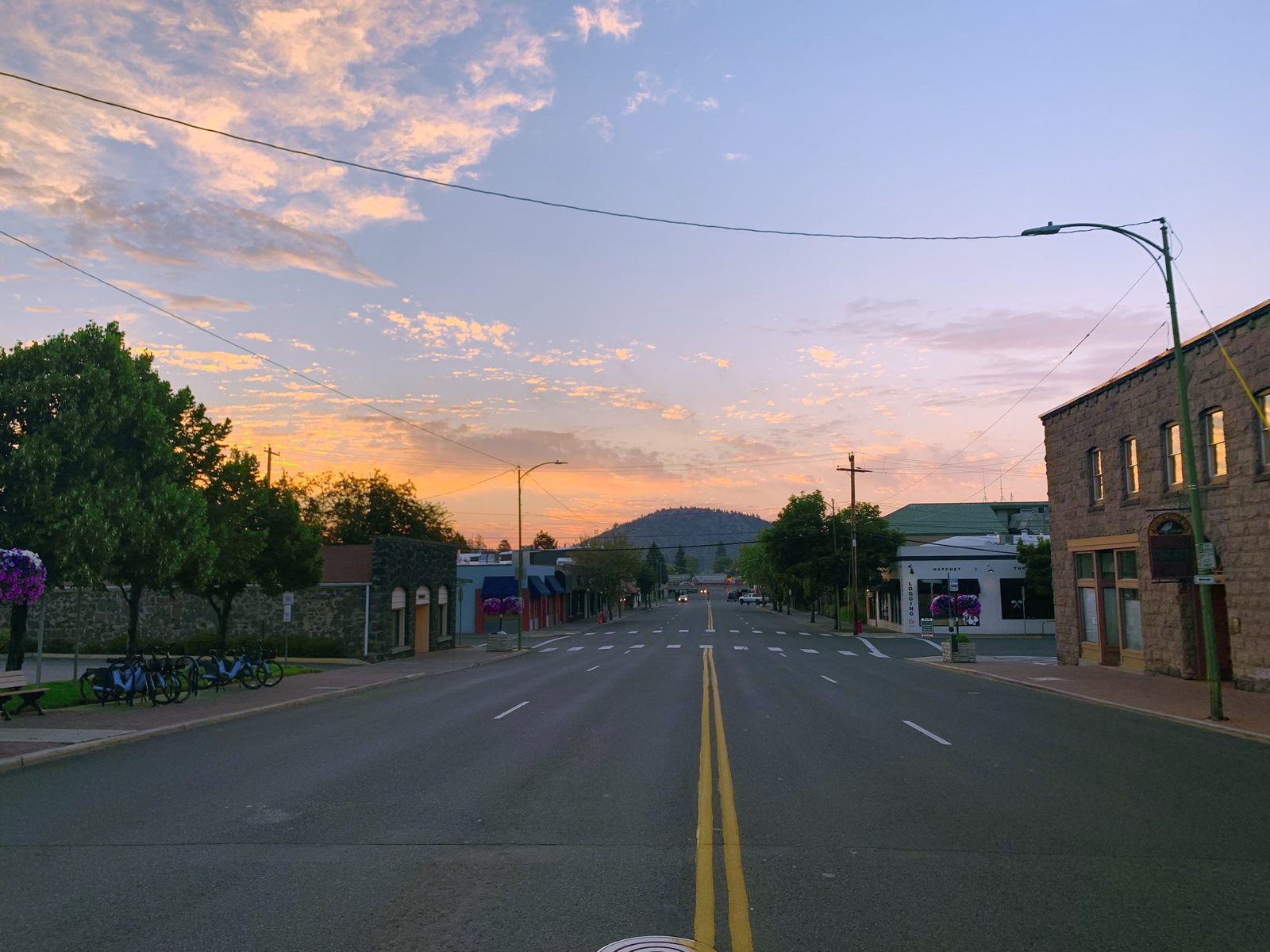
Per Wikipedia, Bend is the seat of Deschutes County and sits east of the Cascade Range on the Deschutes River, commonly described locally as part of Oregon's "high desert." Its brewing scene is a real, current draw rather than an assumed one: as of 2024, Wikipedia cites over 30 breweries in Bend plus 4 hard cider companies, many of them strung along the city's own branded Bend Ale Trail, with events including Bend Oktoberfest, the Little Woody Barrel Aged Brew and Whiskey Fest, and Central Oregon Beer Week. One specific, oddly great detail: Worthy Brewing has hosted its own observatory since 2017, with a 16-inch reflecting Ritchey-Chretien telescope. And in an unrelated but genuinely verified fact, Wikipedia notes that in 2019, Bend's officially licensed Blockbuster Video became the last one remaining in the world. Bend also sits within city limits of an extinct volcano, Pilot Butte, one of only three U.S. cities (with Portland and Jackson, Mississippi) that can say that. Source: Wikipedia, Bend, Oregon.
2. Mount Bachelor — the Dormant Volcano Behind Bend’s Ski Scene, 9,068 Feet, Skied Since 1958
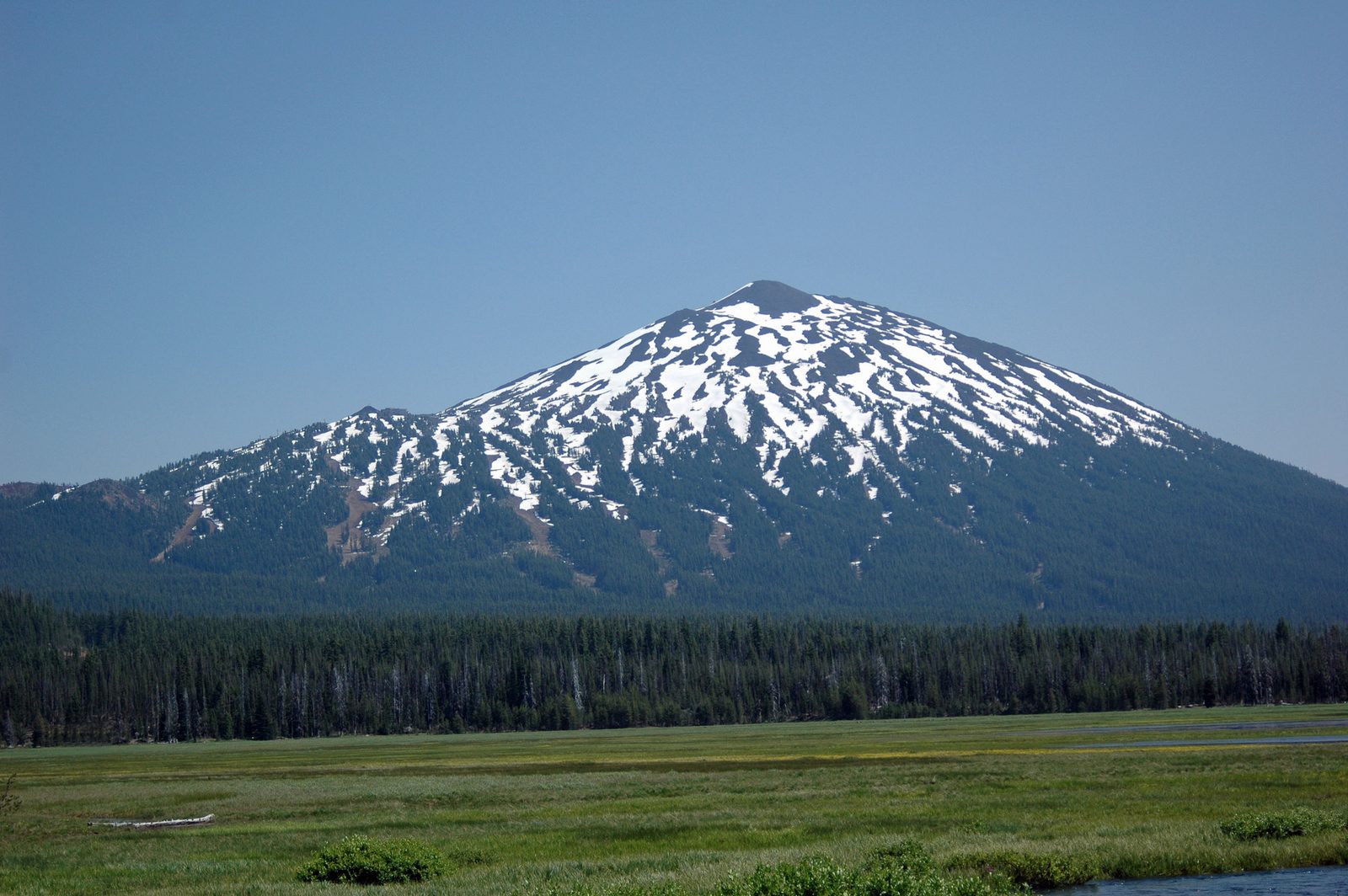
Per Wikipedia, Mount Bachelor is a dormant stratovolcano in the Cascade Range, reaching 9,068 feet and standing about 18 miles southwest of Bend in the Deschutes National Forest. It's genuinely unclear, per the USGS assessment Wikipedia cites, whether the volcano is extinct or simply inactive, but it poses little near-term threat either way. The Mount Bachelor ski area has operated on the mountain since 1958, offering alpine and cross-country skiing, snowboarding, and even dog sledding, and the summit hosts the Mount Bachelor Observatory. It's named Mount Bachelor, per Wikipedia, because it stands apart from the nearby Three Sisters. Source: Wikipedia, Mount Bachelor.
1. Crater Lake National Park — the Actual Deepest Lake in the United States, at 1,949 Feet, the Real Answer to #132’s Tahoe Teaser
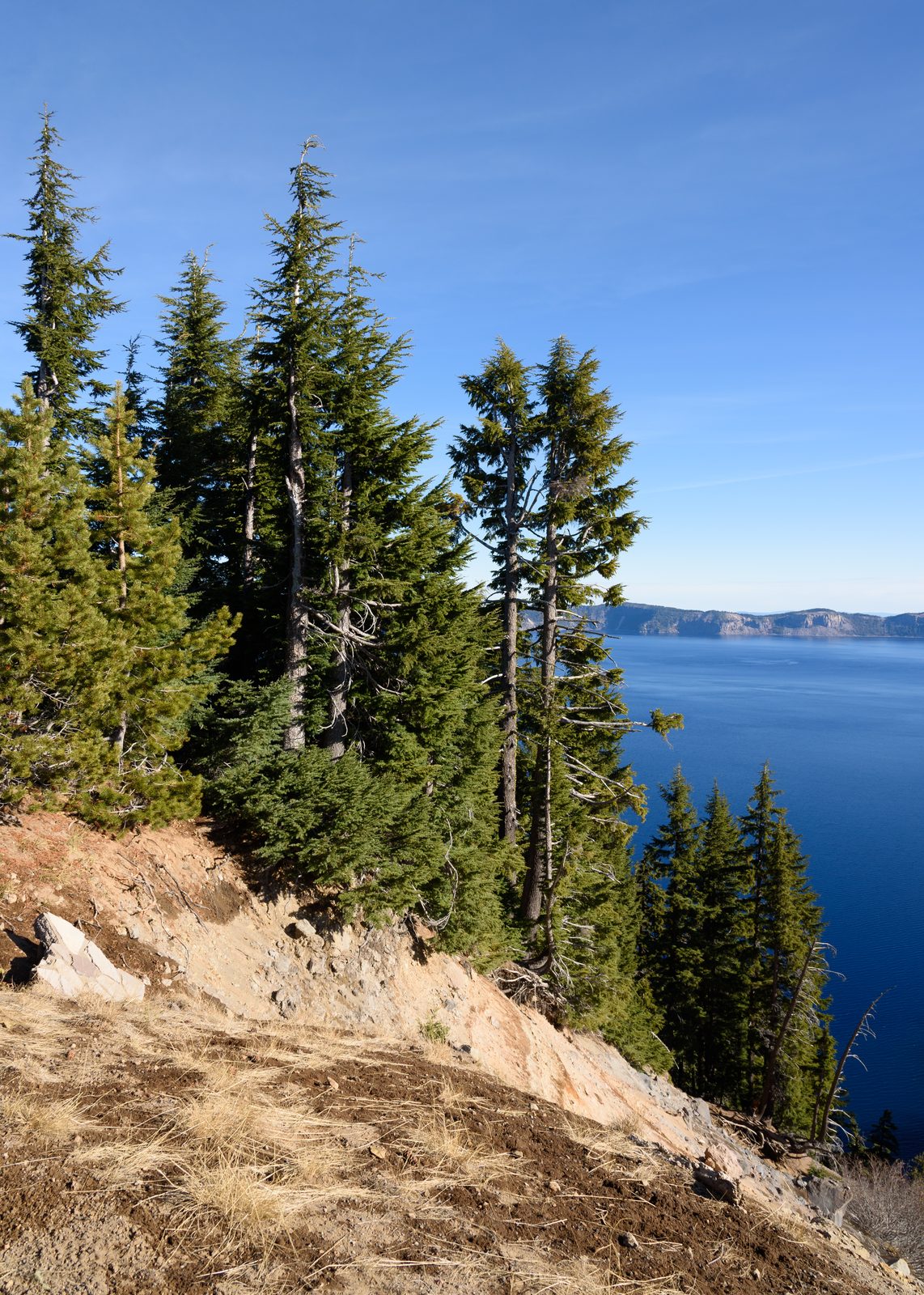
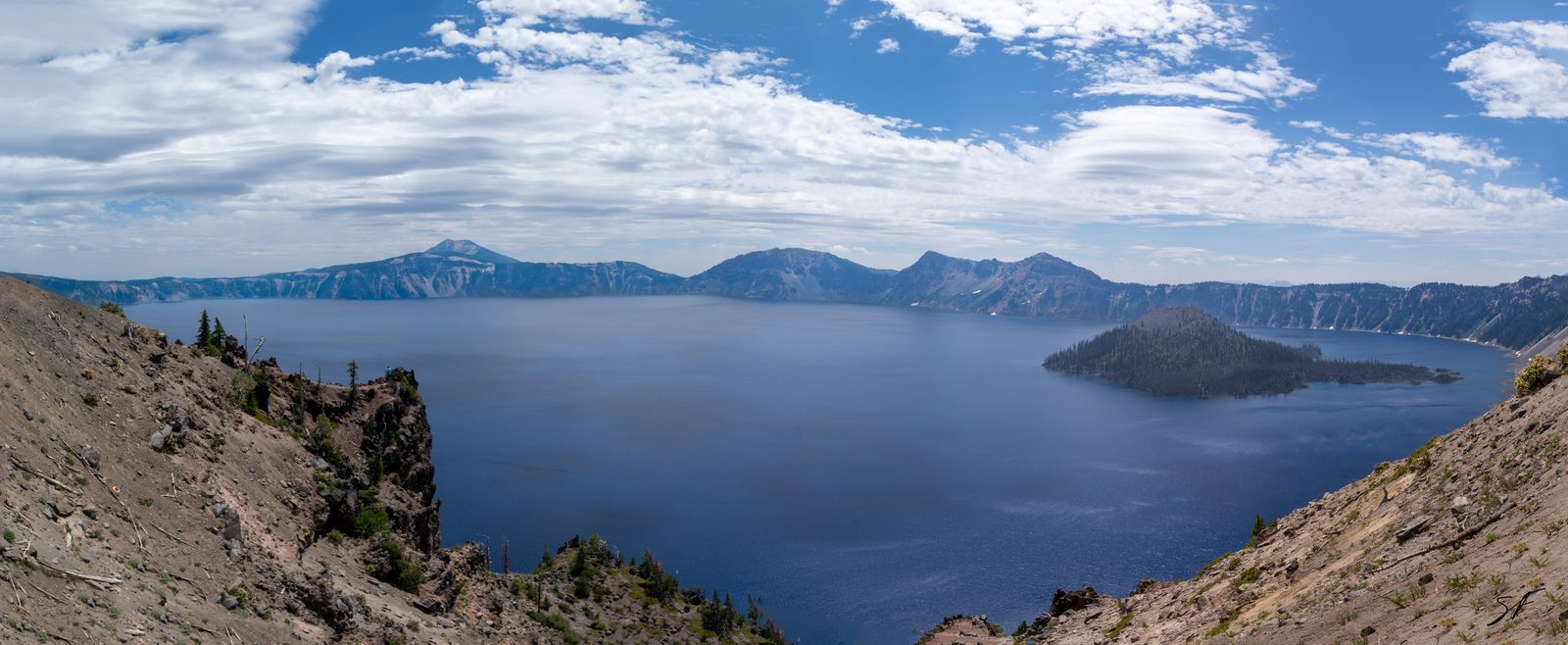
Discovery #132 closed its own item #1 by naming Lake Tahoe the second-deepest lake in the US at 1,645 feet, "trailing only Oregon's Crater Lake." This is that lake, verified directly rather than just cited secondhand. Per Wikipedia, Crater Lake National Park, established in 1902, is the fifth-oldest national park in the US and the only national park in Oregon. The lake itself, formed when Mount Mazama collapsed into its own emptied magma chamber roughly 7,700 years ago, reaches a maximum depth of 1,949 feet, making it the deepest lake in the United States, the second-deepest in North America, and the tenth-deepest in the world. It has no streams flowing in or out; its water comes entirely from direct snow and rain, which is also most of why it holds its famously saturated blue color. Rim Drive circles the caldera, and the Pacific Crest Trail passes directly through the park. Source: Wikipedia, Crater Lake National Park.
A note on scope, since the ticket flagged it directly: this is one of two sibling posts covering the same eventual Las-Vegas-to-Portland arc, each via a genuinely different real route. This one runs the scenic, less-trafficked US-395/Eastern Sierra corridor through Susanville, Lakeview, and Crater Lake. A separate companion post, Discovery #134, covers the faster I-5/Sacramento route instead. Neither post repeats the other's stops.
Six stops on the actual route, plus one honestly flagged detour: Lassen Volcanic National Park (real, but a genuine 156-mile round trip off 395, not a pass-through); Susanville and its 1927 rail depot, saved from a training-exercise burn by local protest; Lakeview, Oregon's self-declared Tallest Town and the real, four-time-national-champion Hang Gliding Capital of the West; Bend's 30-plus-brewery Ale Trail and its last-on-Earth Blockbuster; Mount Bachelor, the dormant volcano that's been a ski hill since 1958; and Crater Lake at #1, the actual deepest lake in the country and the direct payoff to the depth comparison Discovery #132 raised two days ago.