I was today days old when I learned the roulette wheel is popularly credited to a failed invention — a 17th-century physicist trying to build something that can’t exist, and leaving something else behind instead. This is the fourth post in the series on how to actually play the games this site has already toured the venues for (first Three Card Poker, Discovery #146; second Ultimate Texas Hold’em, Discovery #147; third Craps, Discovery #148). Roulette looks like the simplest game in the house — pick a color or number, watch a ball land — but the math hiding behind that simplicity, especially in the betting systems players swear raise their odds, is where this post lives. They don’t raise your odds. Here’s why, and the one rule that actually does move the number.
A mathematician’s failed perpetual motion machine, maybe:
The invention of roulette is widely credited to Blaise Pascal, the French mathematician and physicist, who in 1655 was reportedly trying to build a perpetual motion machine — a device that runs forever with no outside energy source, which the laws of physics flatly rule out. The experiment failed at its actual goal, but a spinning wheel with compartments was left behind. It’s a good story, and historians increasingly treat it as just that: the first gaming wheel clearly resembling today’s roulette doesn’t appear in the record until 1796 in Paris, more than a century after Pascal’s death, and the game looks more like a hybrid of an earlier wheel game and the Italian game Biribi. What’s not in dispute is where today’s house edge actually comes from.
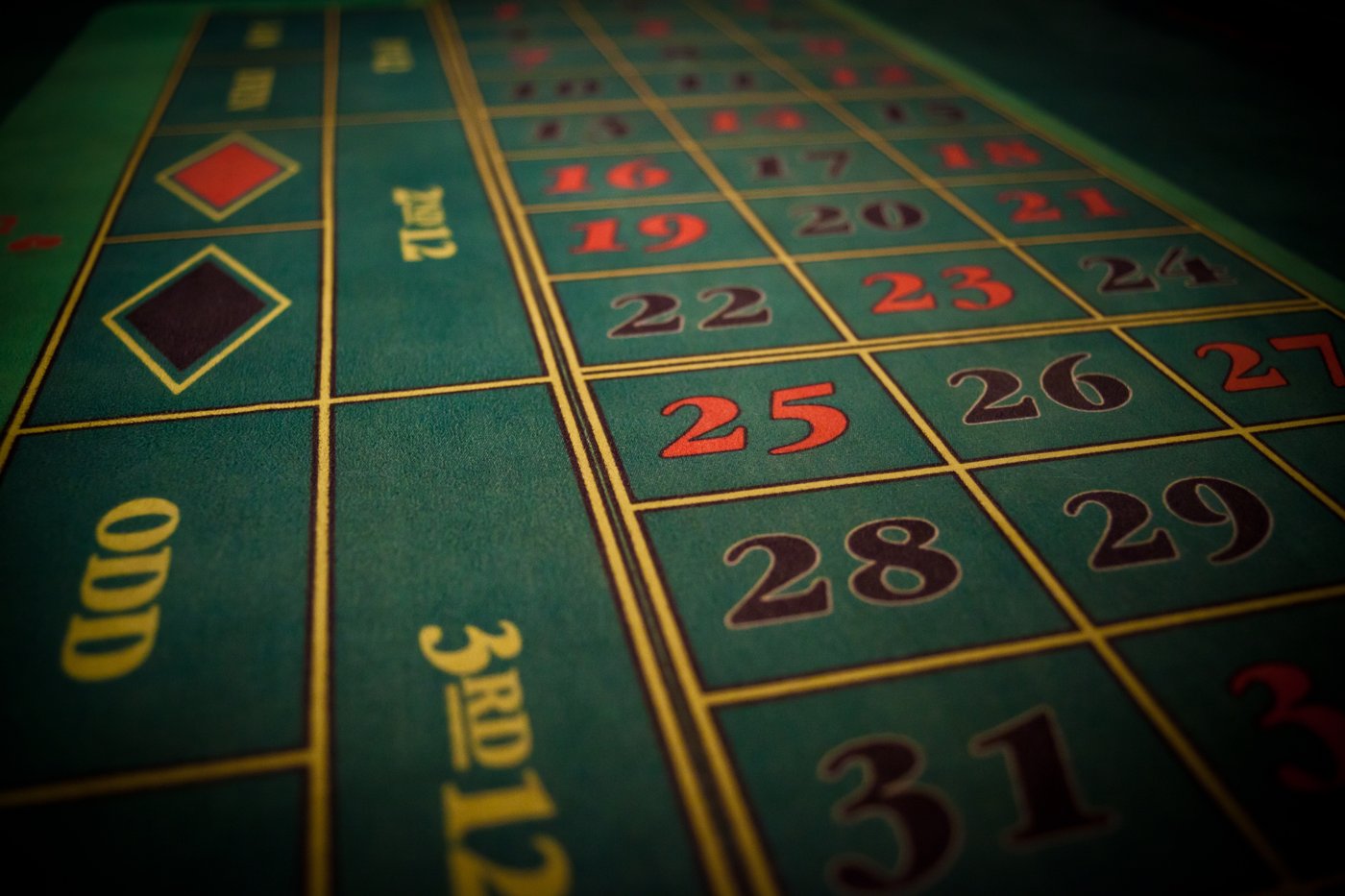
One extra pocket, and the house edge nearly doubles:
For most of roulette’s early history, wheels carried two zero pockets, 0 and 00. In 1843, brothers Francois and Louis Blanc introduced a single-zero wheel in Germany, and a French variant went one step further with a rule called La Partage. The difference between the three comes down to a few tenths or whole percentage points, and it’s the single biggest lever any roulette player actually controls:
- American roulette (0 and 00) — still the standard in most U.S. casinos, carries a 5.26% house edge on every even-money bet.
- European roulette (single 0) — the Blanc brothers’ 1843 wheel, standard outside North America, drops the edge to 2.70%.
- French roulette (single 0 + La Partage) — if the ball lands on zero, even-money bets (red/black, odd/even, high/low) get half their stake back instead of losing it outright, cutting the edge again to 1.35%, one of the best prices on the entire casino floor.
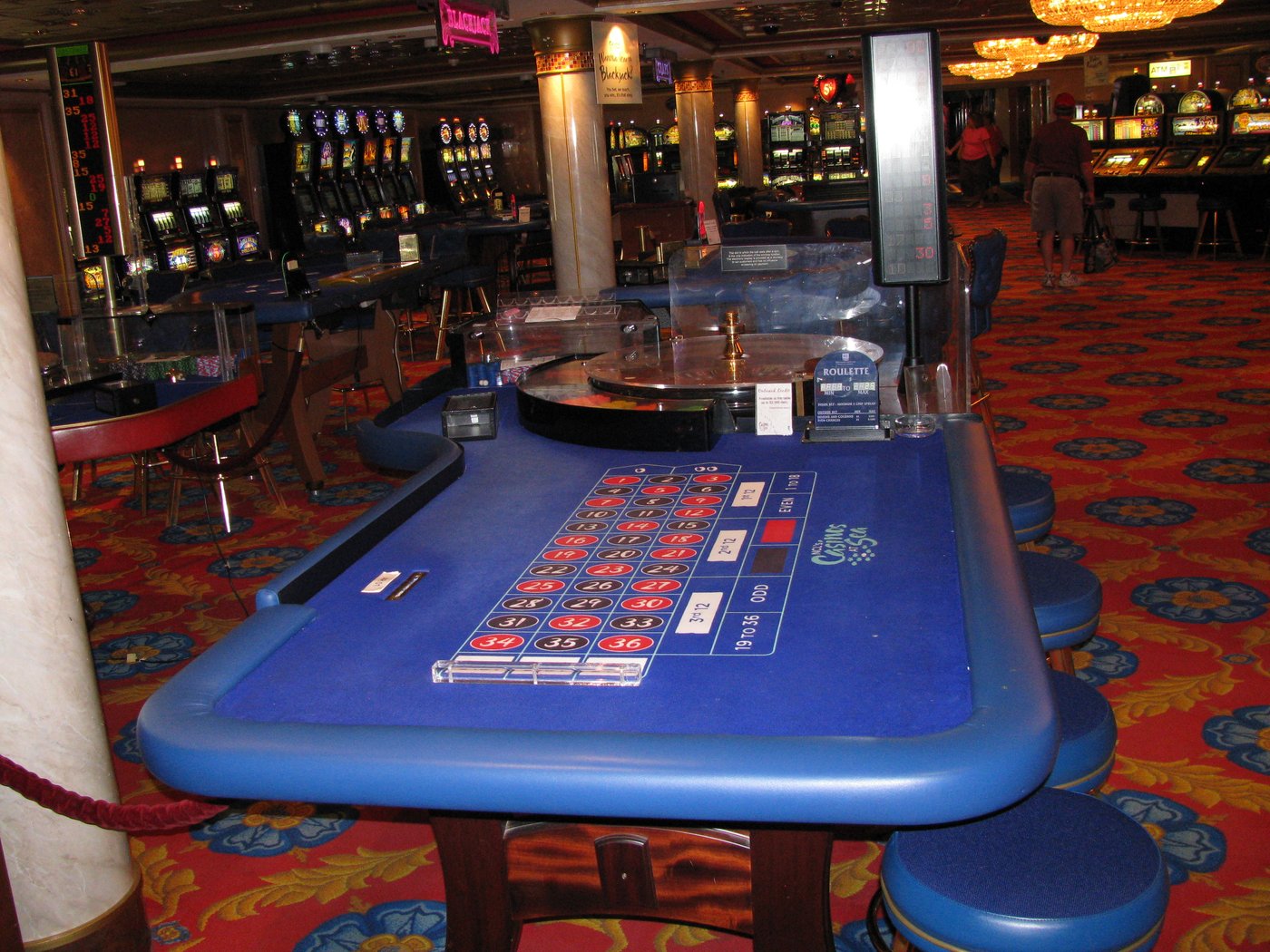
Progression betting: raising the bet to chase it, or lowering it to protect it:
Every system below is a progression — a rule for changing your bet size after a win or a loss, rather than changing which number or color you bet on:
- Martingale — double your bet after every loss, return to your original bet after a win. The most famous system, and the most dangerous: seven straight losses on a $10 base bet means an $1,280 bet just to break even, and most casino table limits (and most bankrolls) run out well before a losing streak that long resolves itself.
- Reverse Martingale (Paroli) — flips the rule: raise your bet after a win, drop back to base after a loss. Caps your downside to a string of small losses instead of one catastrophic one, at the cost of giving back more of a hot streak’s winnings than players expect.
- D’Alembert — raise one unit after a loss, lower one unit after a win. Gentler than either Martingale variant, keeping the swings small over a short session.
- Fibonacci — raise along the famous sequence (1, 1, 2, 3, 5, 8, 13…) after a loss, step back two after a win. Grows slower than Martingale’s doubling, but still grows without limit on a long losing streak.
- Labouchere (cancellation) — write down a sequence of numbers that sums to your target profit, bet the sum of the first and last numbers, cross both off on a win, and add the lost amount to the end of the sequence on a loss. The most involved system on this list.
Why none of them actually move the number:
What none of these systems do, no matter how they’re dressed up, is change the probability of any individual spin. The wheel doesn’t know what you bet last time, and the house edge — 5.26%, 2.70%, or 1.35% — is baked into every single spin regardless of your bet size. Each system just reshapes the distribution of outcomes differently:
- Martingale trades frequent small wins for a rare, bankroll-ending loss.
- Fibonacci and D’Alembert trade that catastrophic risk for a slower bleed.
- Paroli trades a capped downside for giving back more of the upside.
Casino table limits exist specifically to cap the doubling systems before they can threaten the house — the tell that the math was never actually in your favor to begin with.
So: pick the wheel with fewer zero pockets if you have a choice, take La Partage if it’s on the table, and treat every progression system as a way to manage how a session feels — longer, shorter, steadier, swingier — not a way to beat 2.70%. Craps had one bet with a 0% house edge; Ultimate Texas Hold’em had a real decision tree; roulette has neither — just a wheel, a fixed edge, and a lot of ways to bet the same fixed edge differently. More of this site’s walk through the games it’s spent dozens of posts standing in front of without explaining is still to come.