
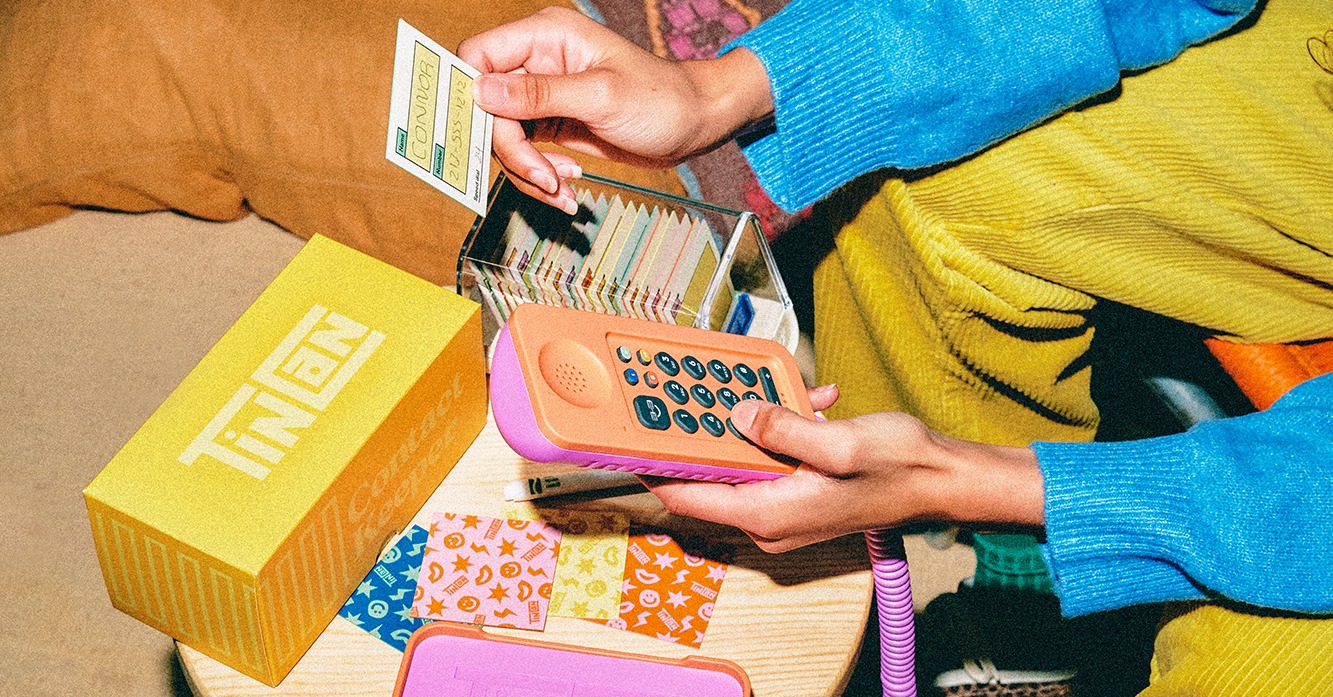
I was today days old when I learned that a school in Los Angeles handed out landline phones to its students. In 2026. On purpose.
The story comes from CBS Los Angeles, which reported on Nov. 12 that St. James Episcopal School in Koreatown gave every student a Tin Can phone as an option for families who want to hold off on smartphones. Two fifth graders in the piece, Leah and Sidney, both 10, talk on theirs nearly every day. Neither has a cellphone. "I feel like it kind of eliminates some purposes of a cellphone," Leah told CBS.
The school's Jules Leyser put the parent side of it this way: "I think it's very hard these days as a parent to hold the line alone." One mother, Julia Emescu, was more direct about her own motive: "Honestly, at first, just the nostalgia factor for me."
This is the flip side of another post on this site, I Have Eight Screens and I'm Mad at Alexa, about piling on more screens, more feeds and more things I wish the remote could do. These families are going the opposite way: fewer screens, fewer features, one thing the device is allowed to do. Same decade, two very different answers to the same question about how much technology is enough.
Why Now
CBS backs the story with two numbers. The first is from Common Sense Media: nearly half of U.S. children have a smartphone by age 10. The figure reported from its 2026 census appears to be 47% at age 10, up from 24% at age 9.
The second is from Lurie Children's Hospital of Chicago, and it needs a small label. CBS called it a study. It is a survey of 1,003 U.S. parents, published on the hospital's blog in September, with no sampling method or margin of error given. With that caveat: 37% of those parents said their child got a phone too early, and 43% said they felt pressured to buy one sooner than they wanted.
So there is a market of parents who would like to wait, and who would like company while they do it.
The Catch: These Are Not Landlines
Here is the part that made me look twice. None of these phones plugs into a phone line. They plug into a power outlet and connect over your home internet. They are Wi-Fi phones dressed up as landlines.
Which is fitting, because the real thing has nearly vanished. Federal survey data from the CDC put about 76% of U.S. adults and roughly 87% of children in wireless-only homes as of late 2023.
The costume has a practical downside. An old copper landline kept working when the power went out. These do not. If the electricity or the internet is down, so is the phone, and that includes calls to 911.
Tin Can
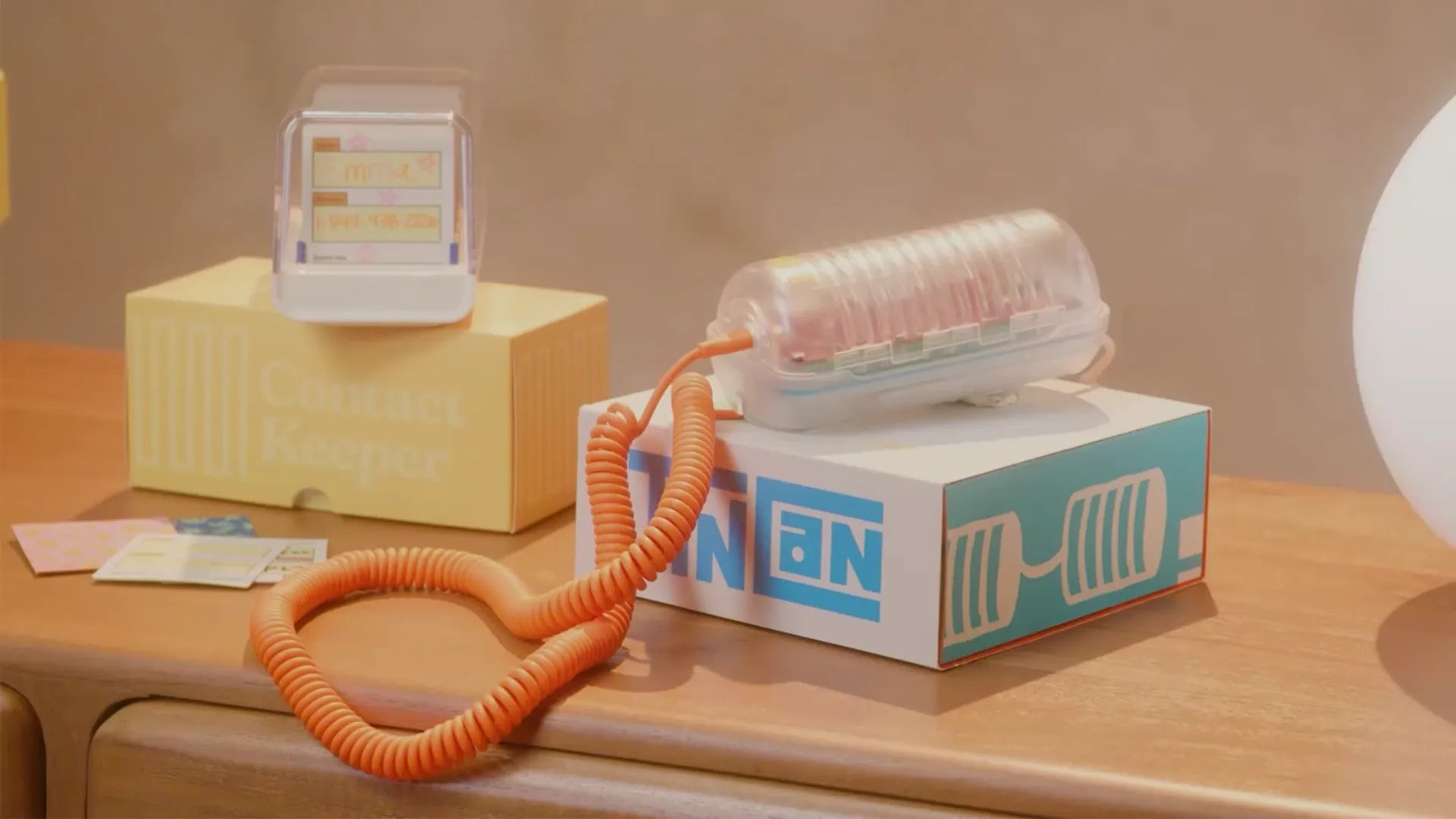
Tin Can is the one that started the trend, and the one St. James chose. It comes from a Seattle company with the excellent name Tin Can Untechnologies, and went on sale in April 2025. CEO Chet Kittleson started it out of frustration with arranging his own kids' playdates, according to Bloomberg.
The phone costs $100. It is a corded handset with no screen, no apps, no texting and no games. It has speed-dial buttons, a speakerphone and an answering-machine feature. Parents approve every contact and set the hours when it is allowed to ring. Source: Tin Can.
The pricing is the clever bit:
- Calls to other Tin Cans are free
- 911 works with or without a subscription
- Calling regular numbers, like a parent's cell or a grandparent's phone, takes the $9.99-a-month "Party Line" plan
Tin Can says it has sold "hundreds of thousands" of phones. That is the company's own figure, and it does not publish an exact count. It has raised a $3.5 million pre-seed round and a $12 million seed round led by Greylock Partners. It sells in the U.S. and Canada, and CBS says it is taking preorders in the UK, Australia and New Zealand.
It has had growing pains. On Christmas morning 2025, a rush of newly unwrapped phones reportedly overloaded the network and kids could not make calls. The company apologized and waived Party Line fees while it fixed things.
Other limits are built in. The free plan is only useful if your kid's friends have one too. Bloomberg reported that one kindergartner discovered 911 works and had responders show up at the house. And novelty fades: a Tom's Guide writer headlined a piece about giving her 7-year-old the phone with "she's already over it."
Ring Ring Club

Ring Ring Club is the tinkerer's option, based in Berwyn, Pennsylvania. Nearly everything known about it comes from the company's own pages. Its site names the founders only as "Bob and Christophe," two dads whose kids went to different schools and wanted to call each other. I could not find a launch date, sales numbers or an independent profile.
Per its current price list, there are three ways in:
- Modern Kit, $75: a Wi-Fi handset
- Nostalgic Kit, $89: a corded classic-style phone
- Bridge, $59: an adapter that turns a compatible old analog phone into a kid phone
That last one is the charmer. In theory you can hand your child a thrift-store rotary phone, though the company says rotary dialing needs the paid plan.
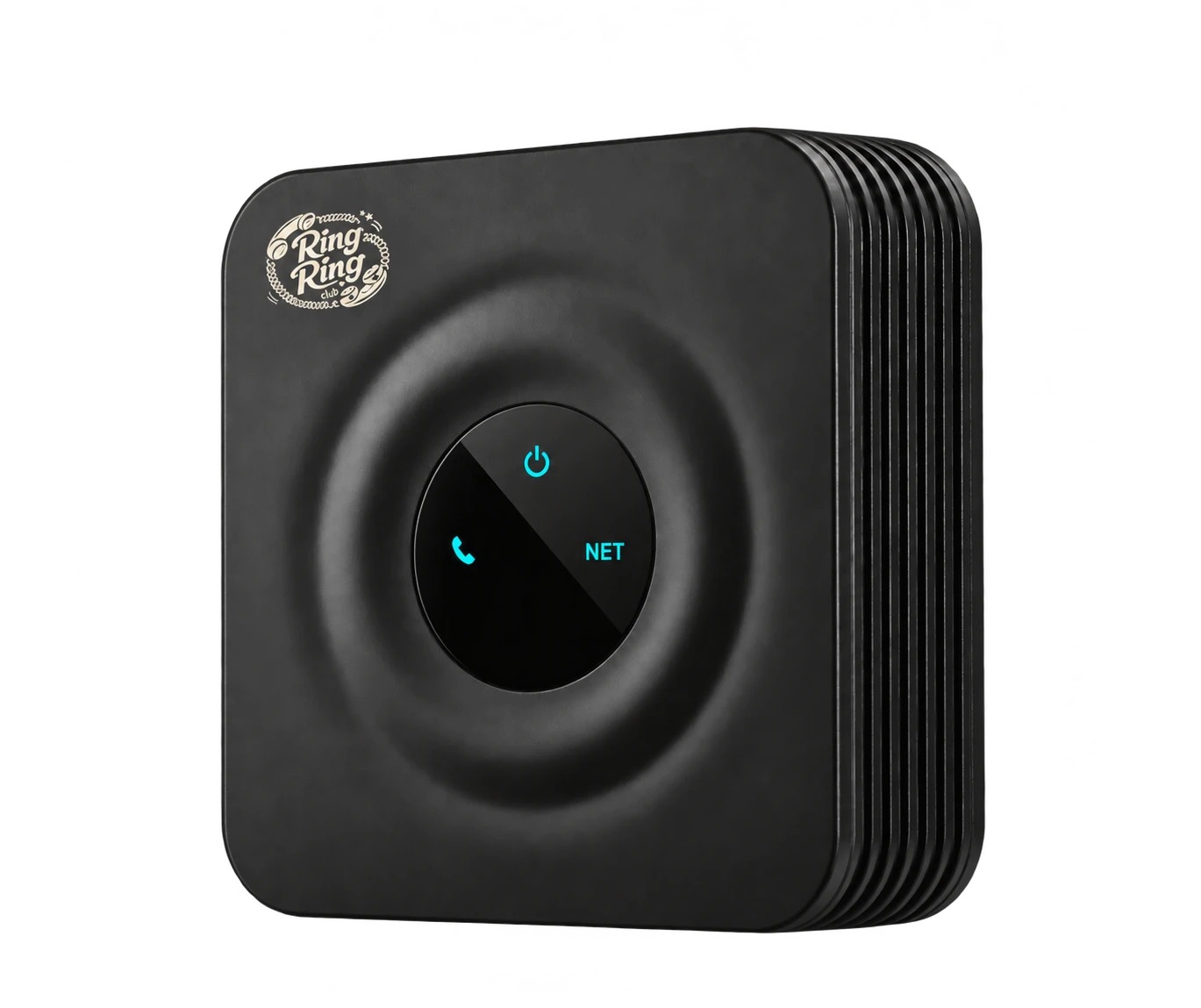
The free "Club Line" covers calls between Ring Ring families only. The "Outside Line" is $8.95 a month and adds a real phone number and calls to regular numbers.
One difference matters more than the price. On Ring Ring's free plan there is no 911. Emergency calling comes with the paid plan. A Tom's Guide comparison reportedly also flagged that contacts must be added by hand and that setup starts with an Ethernet cable plugged into the router.
Waffle
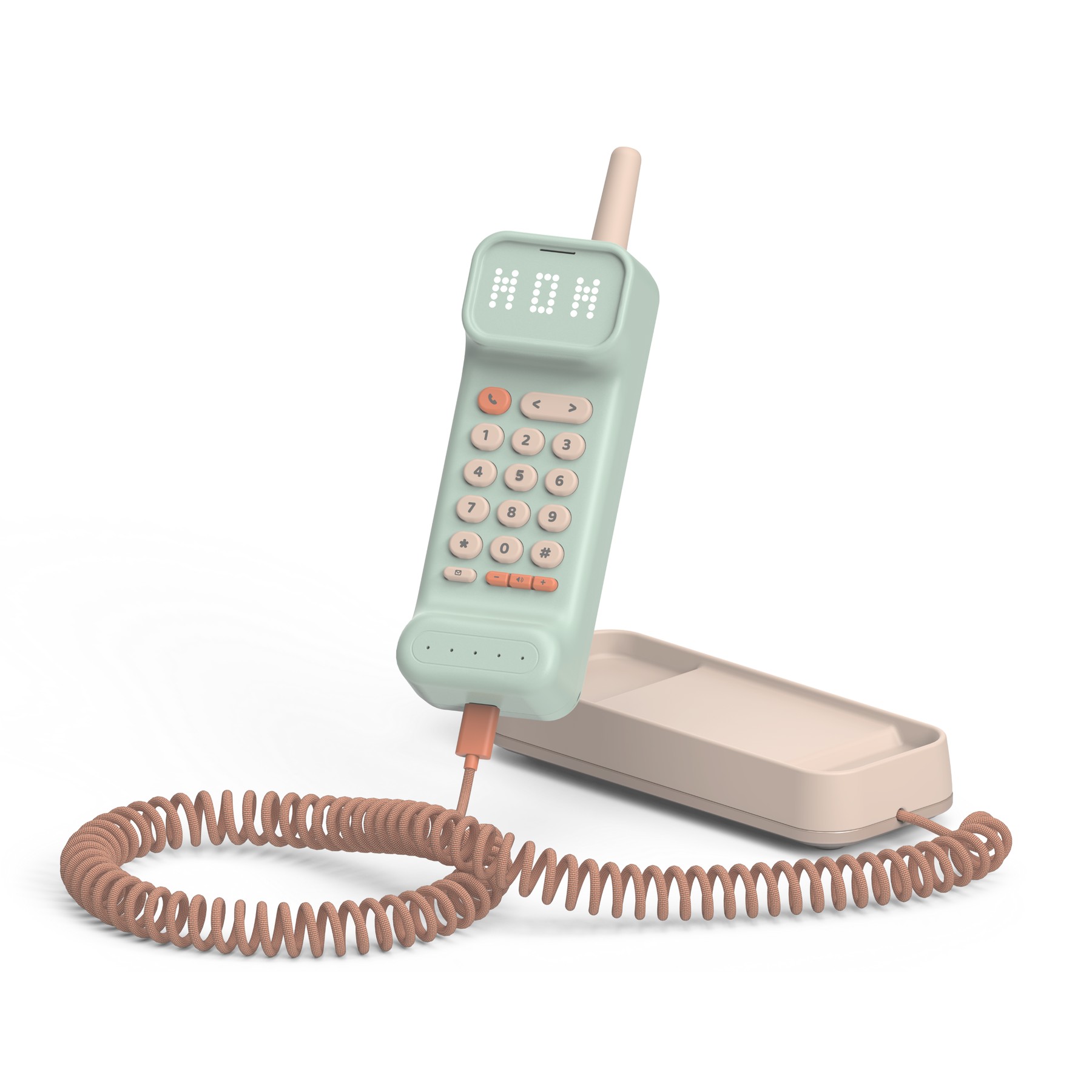
Waffle is the newcomer, and the information here is the thinnest of the three. Almost all of it comes from the company's press releases.
It is an Australian company. Its releases name Sean Andrews as a co-founder and say psychologist Dr. Brad Marshall, who directs a screen and gaming disorder clinic, is part of the founding team. It announced its U.S. debut on July 1, 2026. Source: Waffle press release.
The home phone, Waffle Home, costs $119, the highest sticker price of the three. Its free plan is the most generous on paper: unlimited Waffle-to-Waffle calls, emergency calling and one approved outside contact. The $9.99-a-month Home Plus+ plan adds unlimited approved contacts. It also offers voice notes and quiet hours. The company says it will be sold at Walmart and Best Buy.

What is not settled:
- When it ships. The company's October release said Oct. 30. TechCrunch, on Nov. 7, said Nov. 23. Either way it is barely in American homes yet.
- Whether the handset is cordless. It is marketed that way, and at least one reviewer says otherwise.
- How it holds up. There are no long-term U.S. reviews and no published sales figures.
Side by Side
U.S. prices as listed in November 2026.
| Tin Can | Ring Ring Club | Waffle Home | |
|---|---|---|---|
| Based in | Seattle | Berwyn, Pa. | Australia |
| On sale | Since April 2025 | Launch date not found | U.S. shipping just starting |
| Phone price | $100 | $75, $89, or $59 adapter | $119 |
| Free calls | To other Tin Cans | To other Ring Ring phones | To other Waffles, plus 1 outside contact |
| Paid plan | $9.99/mo | $8.95/mo | $9.99/mo |
| 911 on the free plan | Yes | No | Yes |
| Screen | None | None | None |
| Parent-approved contacts | Yes | Yes | Yes |
| Works in a power or internet outage | No | No | No |
| Sales claim | "Hundreds of thousands" (company) | None published | None published |
Everything Old Is New Again
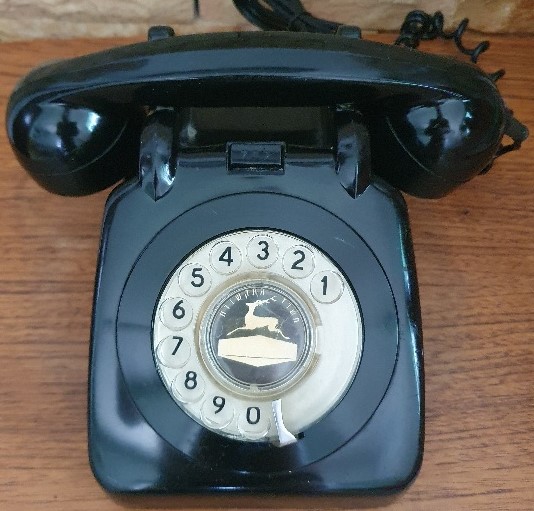
The kid landline has company. Some supposedly dead technologies are posting real numbers. Others are mostly a mood on social media. Here is which is which, starting with music, then cameras, listening gear and games.

Vinyl. This is the strongest case. The RIAA says U.S. vinyl revenue hit $1.04 billion in 2025, up 9.3%, on 46.8 million records. It was the first year over $1 billion since 1983, and the fifth straight year vinyl outsold CDs in units. Then it kept going: up 17.7% in the first half of 2026. For scale, vinyl is still only about 9% of an $11.5 billion business. Streaming runs the show.
CDs. The surprise of 2026. CD sales fell in 2025. Then, in the first half of this year, the RIAA reported CD revenue up 58.6%. That is one good half-year after a down year, so it is too early to call it a trend.
Compact cameras. The point-and-shoot is back from the dead, a little. Coverage of the camera industry group CIPA's 2025 figures puts compact shipments up about 30%, to roughly 2.3 million. That is reportedly still a fraction of the category's peak. Source: PetaPixel.
Retro digicams. The cheap, grainy end of that market is where the noise is. Canon told NPR in July that PowerShot sales rose nearly sevenfold from 2022 to 2025. Camp Snap, which makes a screen-free camera designed for kids, said its sales more than doubled in a year and that adults are now almost as big a customer as kids. Both are company claims, given as multiples with no unit counts. The closest thing to an outside number is from the retail tracker Circana, which says point-and-shoot unit sales rose 93% in 2025, driven by models under $200. One 24-year-old told NPR what many suspect: "for a majority of people on social media, it's just an aesthetic."
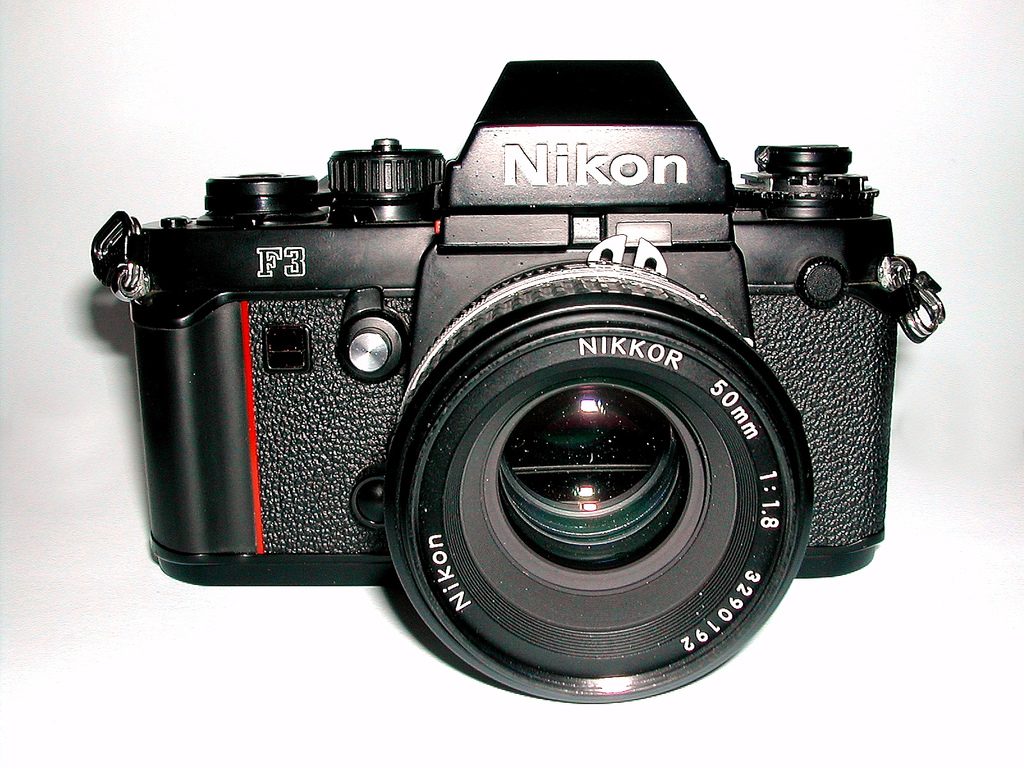
Film. Kodak's division that includes film grew 40% to $105 million in the second quarter of 2026, its fastest-growing segment, per Fstoppers. Two cautions: that division also covers chemicals and Hollywood movie stock, and the claim that consumer film demand has roughly doubled in five years is Kodak's own.
Instant cameras. Fujifilm's instax line has reportedly passed 100 million cameras sold over its lifetime. I could not find a verified sales figure for Polaroid, so I am not quoting one.
Wired headphones. The best-documented of the new arrivals. Circana says wired headphone sales grew 3% in 2025, about $15 million, after five straight years of decline, and that revenue was up 20% in the first six weeks of 2026. In September its analysts told Marketplace that shoppers had spent 16% more on wired headphones this year. Fashion is part of it. So is price: Circana puts the average wired pair at about $13, against $99 for Bluetooth. Wireless earbuds still take roughly two-thirds of headphone spending.
iPods and MP3 players. Louder than it is large. Apple stopped making the iPod in 2022, so this is a used market, and nobody publishes a reliable sales total. What exists: the refurbished-goods marketplace Back Market says its iPod sales grew about 15% a year from 2022 to 2024, per SlashGear, and eBay told Reader's Digest that iPod searches were up more than 20% in December 2025. Those are one store's sales and one site's searches. The tech site Mezha gave the most measured read in October: interest is real, the market remains a niche, and any revival will be far smaller than vinyl's. One survey of MP3-player users cited in both pieces found only about a third were Gen Z.
Walkmans and Discmans. The thinnest case here. eBay told NPR it is seeing a surge in searches for iPods, CDs and Walkmans, without giving figures. The one number I found is modest: Walkman searches on eBay were up a little more than 5% in 2025, per Reader's Digest. For the Discman I found no number at all, only articles calling it sought-after. It would make sense for portable CD players to ride the CD bump above, but that is a guess, not a statistic.
Retro handheld gaming. Easy to see, hard to count. Euronews lists the Game Boy and the PlayStation Portable among the old devices Gen Z is picking up, with no figures. A Best Buy Canada survey reported this week named video game consoles among its popular nostalgia categories, with millennials favoring the Nintendo 64 and Super Nintendo. And handhelds built to play old games have reached mainstream shelves: Gizmodo reported in 2025 that the Chinese maker Anbernic had begun selling through Best Buy. But none of the well-known makers publishes unit sales, and the market-size estimates online contradict each other, so I am not quoting one.
Hype Check
Not every comeback headline survives a look at the numbers.
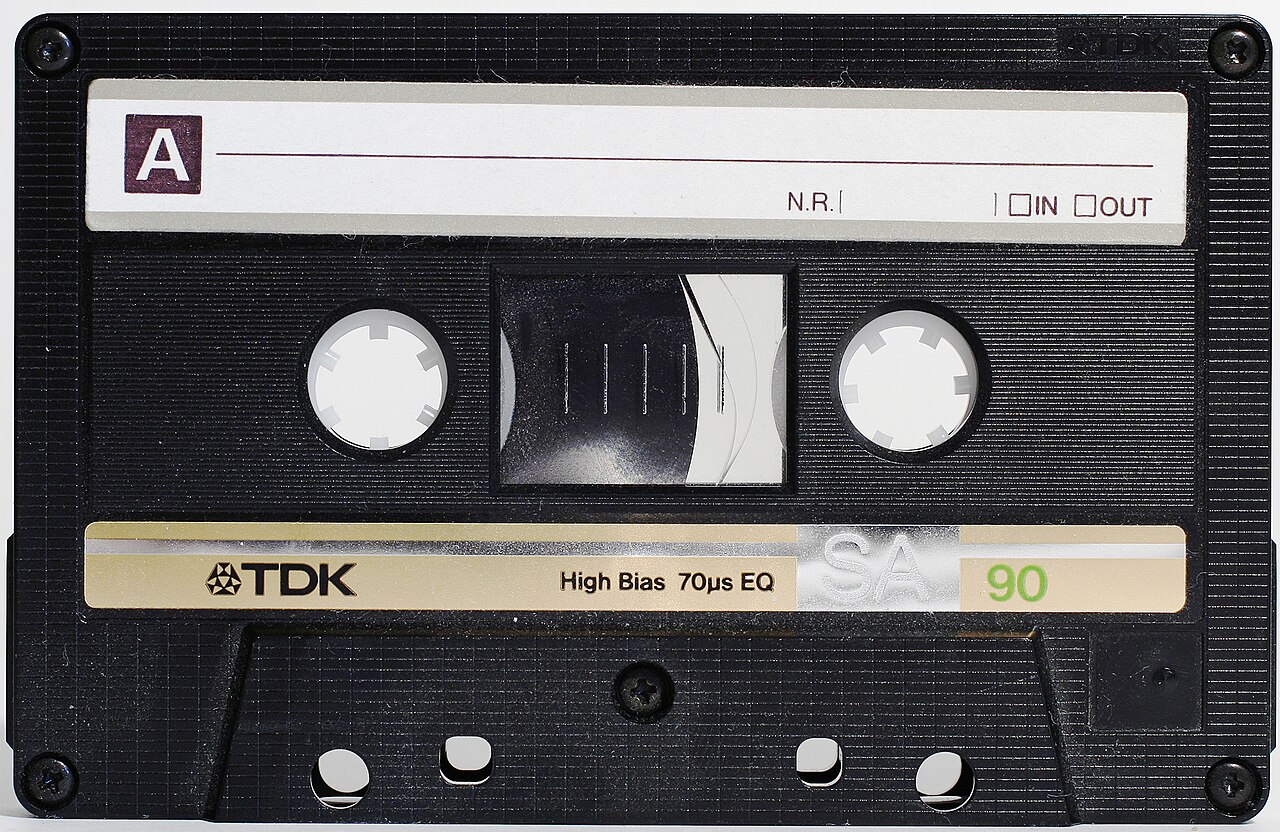
- Cassettes: Big percentages, tiny base. AARP reported U.S. sales were projected to top 600,000 in 2025. The peak was 83 million in 1989. That is under 1%.
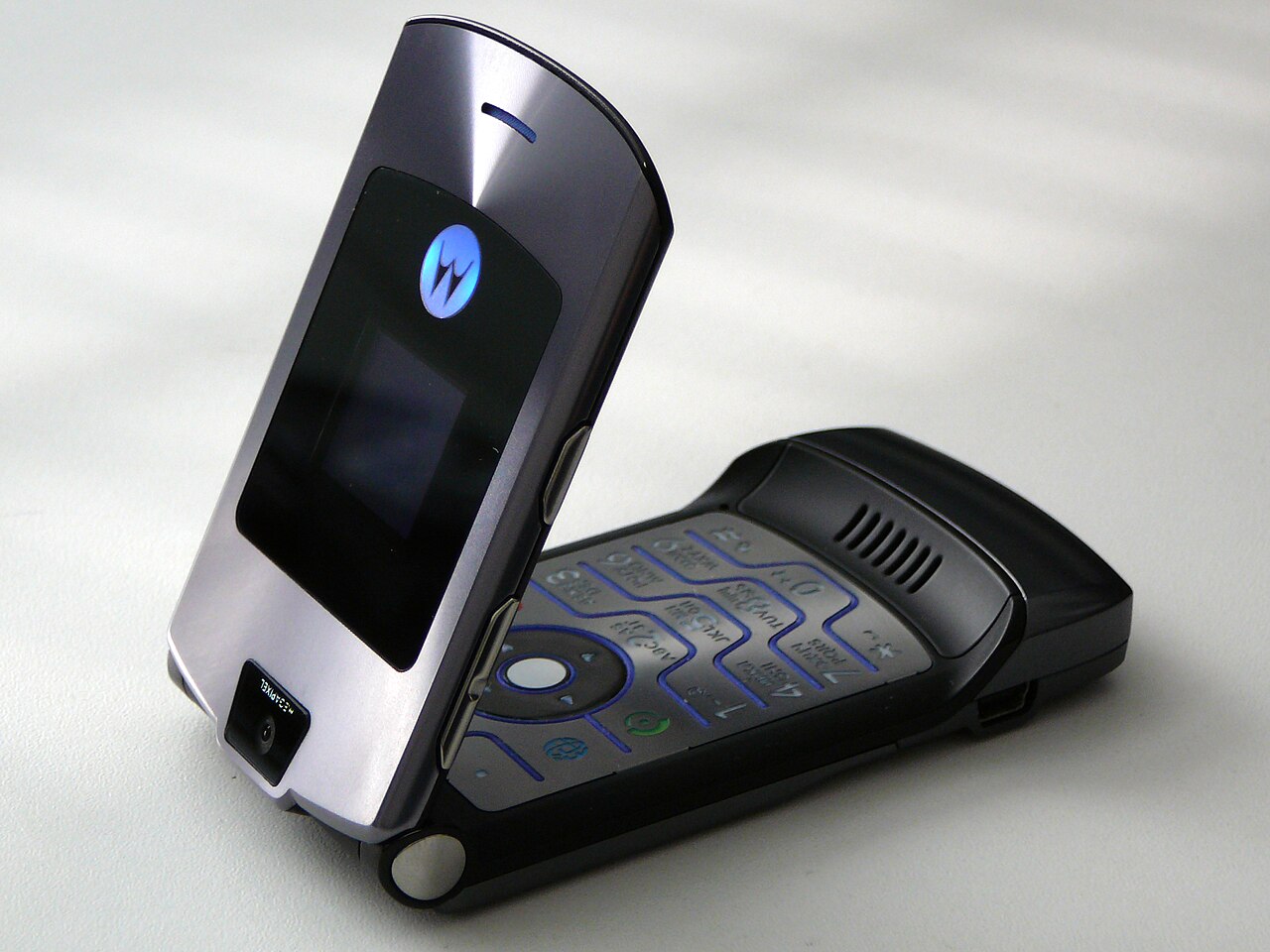
- Flip phones: Talked about far more than bought. Counterpoint Research counted about 1.7 million feature phones sold in North America in 2024, out of nearly 210 million worldwide, and described the global market as slowly shrinking. The newer evidence is thin. A BGR piece from August 2026 rests on a 148% rise in flip phone sales among 18-to-24-year-olds from 2021 to 2024, a percentage from an obscure research publication with no unit counts behind it. In the UK, the buy-now-pay-later firm Clearpay reported a 24% rise in "dumbphone" sales in the year to June 2026, which is one payment company's own checkout data. I found no market-wide count for 2025 or 2026.
- Print books: Never left. U.S. print sales were reported at about 762 million copies in 2025, up roughly 0.3%. The real comeback is the bookstore: Barnes & Noble has said it plans 60 new stores in 2026.
- DVDs: Still shrinking, just more slowly. U.S. disc spending was reported at $870 million in 2025, down 9.3%. The one bright spot is 4K Blu-ray, reportedly up 12%.
Bonus: Not a Throwback, but the Same Instinct
One gadget on this theme is brand new. The Brick is a small magnetic puck with no battery, paired with a phone app. You pick the apps you want locked, tap your phone on the puck, and they stay locked until you walk back and tap again. The walk is the point. ABC News lists it at about $59 in the U.S., and prices vary by country and with shipping. An Irish Times reviewer said it cut her screen time almost in half over a week. It comes with five emergency unlocks, and it does nothing about scrolling on a laptop. Reviews also point to cheaper alternatives, including Foqos and the Autonomous Key.
The Pattern
Put the list together and something stands out. The comebacks with real numbers behind them are not about old technology beating new technology. Vinyl did not beat streaming. The compact camera did not beat the phone in your pocket. Wired headphones are still a sliver of what wireless earbuds sell.
What they have in common is that each one does a single thing. A record plays an album. A film camera takes pictures. An iPod plays the songs you put on it. And a Tin Can, a Ring Ring or a Waffle makes phone calls, to people a parent picked, during hours a parent set.
The school in Koreatown says its phones teach kids how to introduce themselves, start a conversation and end one. That is a skill the original landline taught without anyone calling it a feature. The new version just needs a Wi-Fi password first.