

After putting together a list of 44 powerful men brought down by affairs, I was left with an obvious question. Is this a pattern in powerful men, or a pattern in what makes the news?
The latest entry is Jensen Huang, who co-founded Nvidia and ran it for 33 years. He admitted in an email to staff that he had been unfaithful to his wife, and on November 12, 2026, the company announced his resignation, CBS News reported. Before him came John Edwards and dozens of others.
So I went looking for what psychologists have found. The short version: there is evidence for a link, it is smaller than the headlines suggest, and it is not really about men.
The One Study Everybody Cites
Nearly every article on this topic leans on one paper: "Power Increases Infidelity Among Men and Women", published in Psychological Science in 2011 by Joris Lammers and four colleagues in the Netherlands. I read the paper itself, and it is more modest than its title.
The researchers emailed readers of Intermediair, a Dutch weekly for professionals, and 1,561 filled out an anonymous online questionnaire. The analysis used the 1,275 who had a partner. They were 54% men and 46% women, with an average age of 39. Only 6% were in top management.
What they found:
- 26.3% said they had been unfaithful to their partner at least once.
- People who rated themselves higher in their organization's hierarchy reported more infidelity, and more willingness to consider it in the future.
- The link ran through confidence. Powerful people were more sure they could attract someone, and that confidence predicted cheating.
- Two other explanations did not hold up. Powerful people did not see less risk of getting caught, and feeling distant from a partner did not explain actual infidelity.
- Gender made no difference. The pattern was the same for women as for men.
That last point is the surprise. The authors argue that powerful women seldom turn up in these scandals because there are far fewer of them, and they note that only 17% of the U.S. House was female in 2010.
Now the caveats, most of which the authors state themselves. The effect was small: statistically significant, but a slight tilt on a five-point scale, not a doubling. Power was self-rated by clicking a point on a line. Infidelity was self-reported. Everyone was a highly educated Dutch professional. And the study was a one-time survey, so, in the authors' words, it "does not allow for causal claims." The title says power "increases" infidelity. The data show the two go together.
One more thing a reader should know. The fifth author was Diederik Stapel, who was exposed later in 2011 for fabricating data in dozens of papers. This paper was reportedly examined and cleared, and it has not been retracted.
A follow-up in 2016 by Lammers and Jon Maner, with 610 Dutch men and women, found the link again. Power was tied to infidelity but not to casual sex among single people, and the authors suggested part of the pull is the secrecy and rule-breaking itself. Again it was as strong in women as in men. It is still a survey, and still Dutch.
Why Power Might Do This
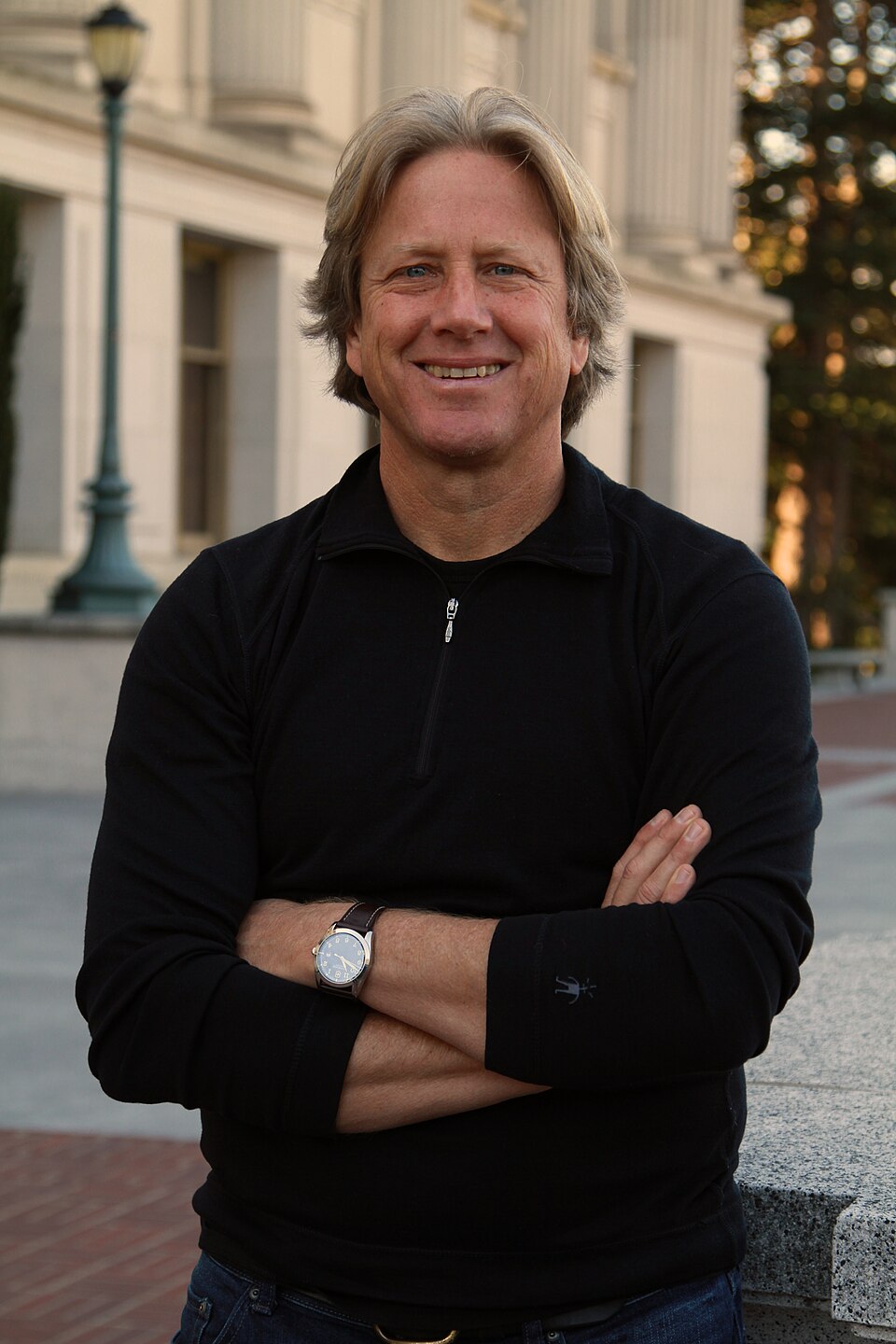
The theory behind the confidence finding is older and better established than the infidelity work. In 2003, Dacher Keltner, Deborah Gruenfeld and Cameron Anderson published "Power, Approach, and Inhibition" in Psychological Review. The idea: having power means more rewards and fewer consequences, so it turns up the part of us that goes after what we want. Lacking power turns up the part that watches for threats and holds back.
Keltner later named a related idea the "power paradox." People tend to gain influence through social skill and attention to others, then lose those habits once they have it. As he told Greater Good, Berkeley's science magazine, in 2007: "power simplifies our thinking. We tend to see things in terms of our own self-interest, and it makes us more impulsive."
The roots go back to David Kipnis, whose 1972 paper "Does Power Corrupt?" had business students supervise workers in a simulated job. Those given real authority reportedly thought less of the workers. It was a small study, and later attempts to repeat it had mixed results.
In 2015, Samuel Bendahan and colleagues at the University of Lausanne published "Leader corruption depends on power and testosterone" in The Leadership Quarterly. In two experiments, with 478 and 240 participants, leaders could enrich themselves at their group's expense. More power meant more self-dealing, and people who had tested as honest were not protected from it over time. It was worst when power and testosterone were both high. But it was a money game. It says nothing directly about affairs.
Seeing Interest That Is Not There
There is a second, less flattering mechanism. In a set of four experiments published in the Journal of Personality and Social Psychology, Jonathan Kunstman and Jon Maner put people in charge of an opposite-sex partner on a task. Those given power expected and perceived more sexual interest from the partner. According to the Association for Psychological Science, that perception "was independent of partners' actual level of sexual interest."
Researchers call this sexual overperception. The caution: these were small lab studies with college students, and the first one had 66 participants.
A related claim is that power and wealth breed entitlement. Here the ground is soft. The best-known paper, a 2012 study linking higher social class to unethical behavior, was put to two large, preregistered replications in 2023, which found no such link. That work was about class rather than power, but it is a fair warning about this whole area.
What About "Hubris Syndrome"?
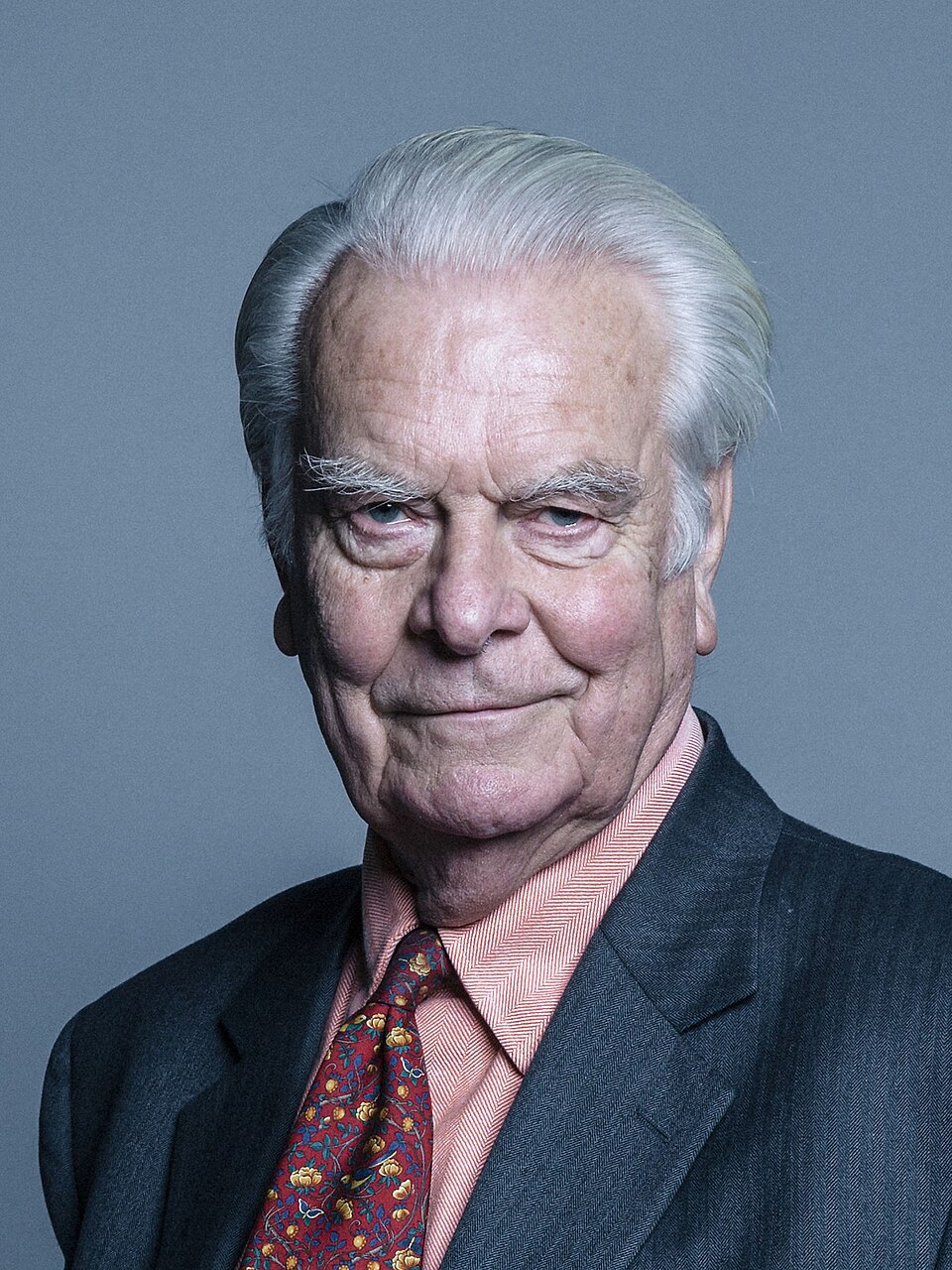
You may see the phrase "hubris syndrome" in coverage of fallen leaders. It comes from David Owen, a physician and former British foreign secretary, and the Duke psychiatrist Jonathan Davidson, who proposed it in the journal Brain in 2009. They described 14 features that they argued can develop after years in power, drawing on the histories of U.S. presidents and British prime ministers.
It is not a recognized diagnosis, it rests on case histories read after the fact, and it concerns judgment in office rather than marriage. Using it to explain an affair is pop psychology.
What the Base Rates Say
So how common is cheating among everybody else? The standard American source is the General Social Survey. In a 2018 analysis, Wendy Wang of the Institute for Family Studies found that 20% of men and 13% of women who had ever been married said they had had sex with someone other than their spouse while married.
Her 2025 update is the closest thing I found to a test of our question on a national sample. Among ever-married adults ages 25 to 54 surveyed in 2021 and 2022, 11% of men and 14% of women reported infidelity, a gap she says is not statistically significant. Then she split by job prestige:
- Men in the highest-prestige jobs: 18%
- Men in upper-middle prestige jobs: 7%
- Men in the lowest-prestige jobs: 13%
- Women in the highest-prestige jobs: 9%
- Women in the lowest-prestige jobs: 21%
So high-prestige men did report more cheating, but so did low-prestige men compared with the group in between, and for women the pattern ran the other way. That cuts against the Dutch finding about women. The post does not give subgroup sizes, and prestige is not the same as power. I would call it suggestive at best.
Somewhere between one in ten and one in four adults in these surveys admits to an affair, depending on who is asked and how. Whatever power adds, it is added to a behavior that is already common.
The Evolutionary Story
The popular explanation is evolutionary: men are built to seek more partners, power makes men more attractive, so powerful men stray. The first two pieces come from a real research tradition, associated with David Buss and others.
But the direct evidence on power does not fit it well. If the story were right, power should matter mainly for men. In both Dutch studies it mattered equally for women, and Lammers's team read their results as support for the rival view, that the gap between the sexes partly reflects who has historically held money and position. Critics such as the philosopher David Buller have long argued that these evolutionary accounts are hard to test. I would file this one under contested.
Why We Think We See a Pattern
Here is what I think matters most, and Lammers's paper raises it on its first page. We may believe the powerful cheat more simply because their affairs are the ones we hear about.
A Stanford study by David Larcker and Brian Tayan looked at 38 cases of CEO misbehavior that drew real media attention between 2000 and 2015. About a fifth involved a sexual affair or relationship with a subordinate, contractor or consultant. Each case generated more than 250 news stories on average, and was still being mentioned nearly five years later. An accountant's affair generates none.
Powerful people also have more people watching: boards, voters, reporters and rivals. And every case on my list of 44 is, by definition, one that came out. Nobody can count the powerful people who stayed faithful, or the ones never caught.
Power also brings travel, staff, money and admirers. More opportunity alone would raise the numbers, with no change in character required.
So, Are They?
Here is my honest sorting.
Fairly solid: Power makes people more confident and more inclined to act on what they want. Infidelity is common at every level of society. The powerful get caught more publicly and pay more for it.
Suggestive: People with more power report somewhat more infidelity. Two Dutch surveys and one American breakdown point that way for men. The effect is small and rests on what people say about themselves.
Contested: That it is a male thing, and that evolution explains it. The best data found the same pattern in women.
Pop psychology: Diagnosing any one man from a distance, whether with "hubris syndrome," testosterone or anything else. A field that had to walk back the "power pose," which one of its own authors disavowed in 2016, should make us careful with tidy stories.
None of this tells us why any one man on that list did what he did. A small average tilt across a thousand Dutch office workers cannot explain Jensen Huang or John Edwards. What it does suggest is that the list of 44 is less a portrait of powerful men than a portrait of who gets watched.