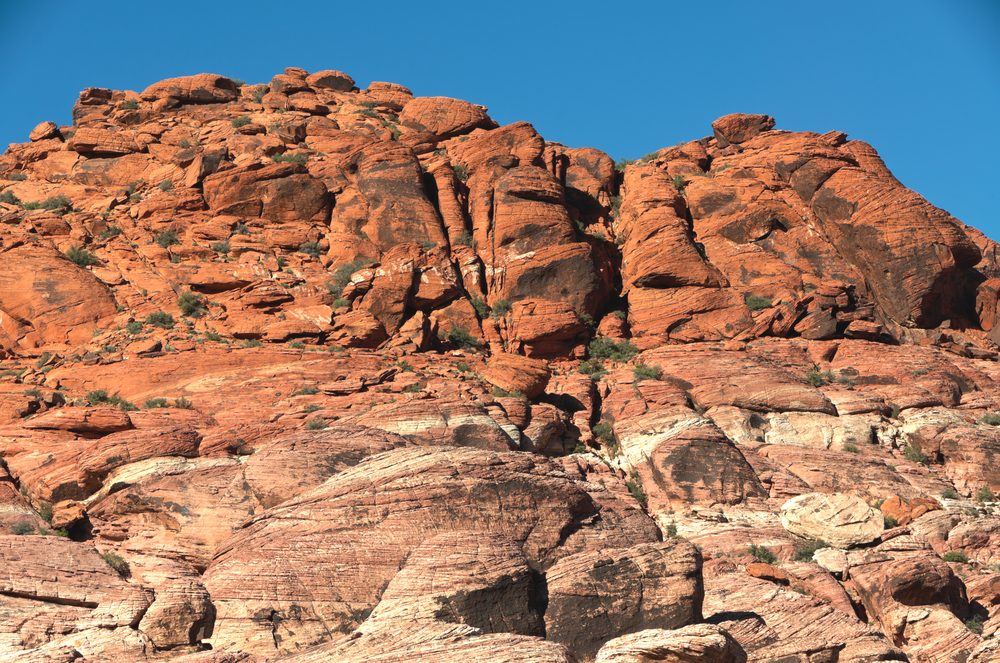
Day 5 of the Vegas mini-series that started with AREA15 (#120), the 18b Arts District (#121), Fremont Street (#122), and the Neon Museum (#123): a deliberate swing out of downtown and onto BLM land. First, the correction the ticket asked for — Red Rock Canyon National Conservation Area is not a national park and has no National Park Service involvement at all. It’s managed by the Bureau of Land Management, which designated the original 10,000 acres as the Red Rock Recreation Lands in 1967, then upgraded its status via 1990 legislation to become Nevada’s first National Conservation Area — only the seventh in the country, per blm.gov. Today the area covers roughly 195,800 to 197,300 acres of Mojave Desert (redrockcanyonlv.org and Wikipedia give slightly different figures, so both are cited rather than picking one), about 17 miles west of the Las Vegas Strip, and draws more than three million visitors a year. Two honest notes up front: Bonnie Springs Ranch, the Old West replica town and petting zoo long associated with this area, closed for good on March 17, 2019 and is being redeveloped into a housing project called The Reserve at Red Rock Canyon — it’s not visitable anymore, so it’s left off this list entirely rather than described as open. And while blm.gov confirms a timed-entry reservation is required to drive the Scenic Drive or enter the Visitor Center from October 1 through May 31, that requirement is off right now — this is published September 4, 2026, squarely inside the no-reservation-needed window that runs April through September. Every stop below was checked directly against redrockcanyonlv.org, blm.gov, or Wikipedia rather than a generic listicle. Sources: redrockcanyonlv.org; blm.gov, Red Rock Canyon NCA; Wikipedia, Red Rock Canyon NCA.
10. The Red Rock Canyon Overlook — a Free Two-Minute Pullout Right on State Route 159
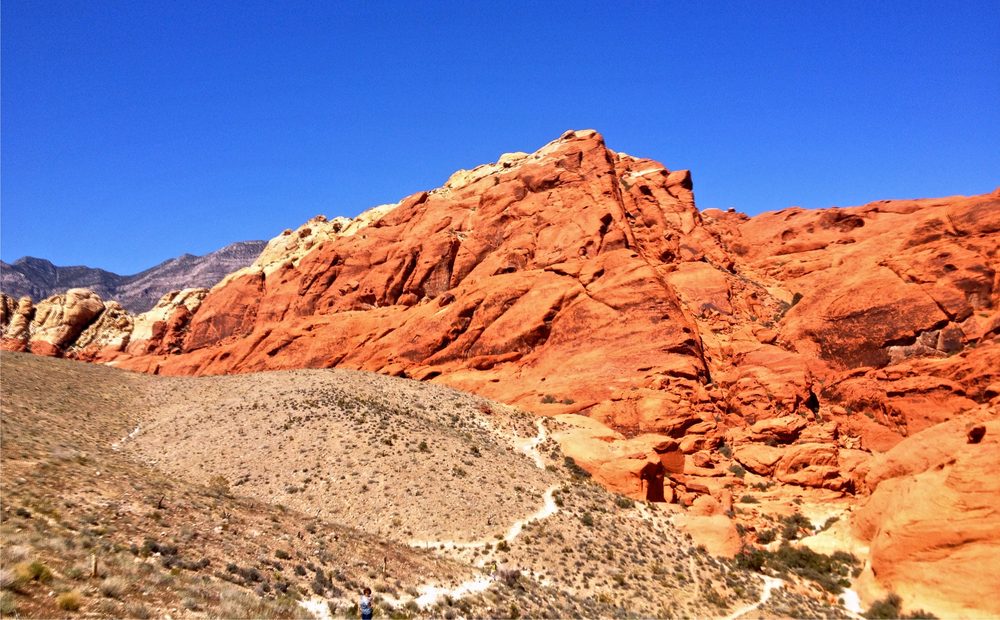
If there’s no time for the full loop, this is the cheat code: per BLM’s own accessibility page, the Red Rock Overlook sits directly on State Route 159, about two minutes toward Las Vegas from the Scenic Drive exit, with accessible parking, accessible pit toilets, and genuine scenic views — and no fee or reservation required to stop, at any time of year, though parking can fill up on busy days. It’s a legitimate way to see the canyon’s color without paying the Scenic Drive’s vehicle fee at all. Source: blm.gov, Red Rock Canyon NCA.
9. Willow Springs & the Petroglyph Wall Trail — Rock Art Estimated at 800-Plus Years Old
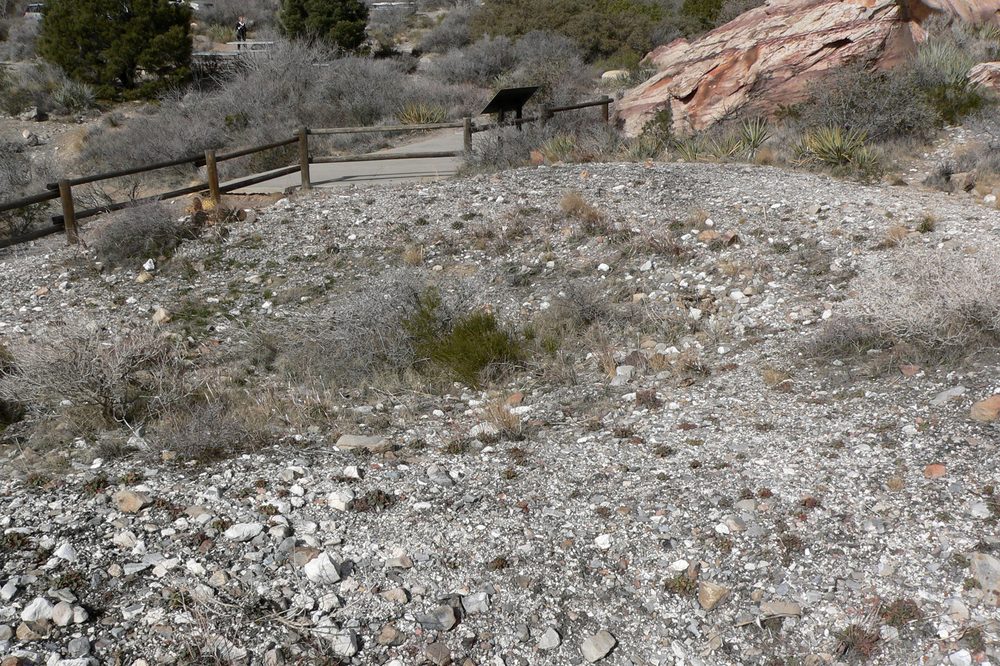
Two short, easy trails share the same trailhead at the Willow Spring Picnic Area. The Petroglyph Wall Trail is just 0.2 miles round-trip, about 30 minutes, and leads across a wash to a cliff-side panel of historical rock art that redrockcanyonlv.org’s own trail page estimates is at least 800 years old. The adjacent Willow Spring Loop (1.1 miles, easy, partly paved) passes a pictograph site and genuine agave roasting pits — shallow, fire-cracked-rock depressions the area’s Native cultures used to slow-cook agave hearts, a practice Wikipedia’s own account of the region’s biology calls out by name at the Calico Tanks trail specifically. As many as six different Native American cultures, from the Paleo-Indian Tule Springs people (11,000–8,000 BC) through the Southern Paiute (900 AD to today), have occupied Red Rock over the millennia, per Wikipedia. Source: redrockcanyonlv.org, Petroglyph Wall; redrockcanyonlv.org, Willow Spring Loop; Wikipedia, Red Rock Canyon NCA.
8. Ice Box Canyon — a Shady Box Canyon With Seasonal Waterfalls, Cooler Than the Open Desert
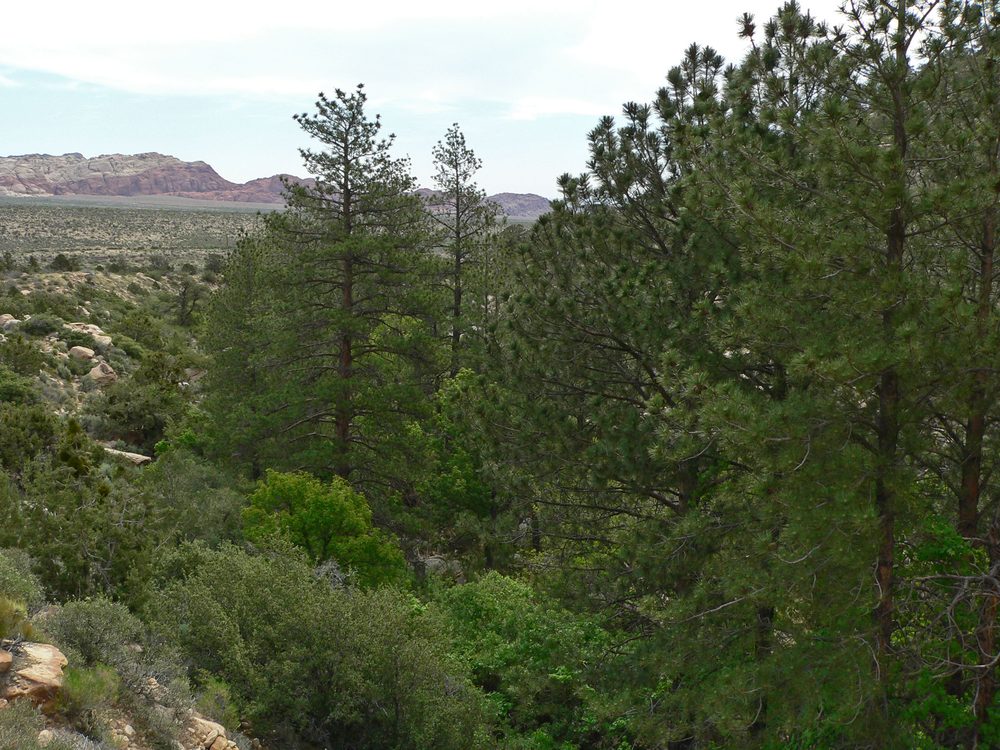
A 2.2-mile round-trip, roughly 2 hours, rated strenuous on redrockcanyonlv.org’s own trail page. The route crosses open desert first, then drops into a narrow box canyon that “rarely sees sunlight,” per the trail description, where cool water and air pouring down from the mountains keep the temperature noticeably lower than everywhere else on the property — hence the name. Seasonal waterfalls appear December through April; the rest of the year it’s a boulder-and-loose-rock scramble to reach the canyon’s end. Source: redrockcanyonlv.org, Ice Box Canyon.
7. Mojave Desert Wildlife — Wild Burros, Desert Bighorn Sheep, and a Protected Tortoise Habitat
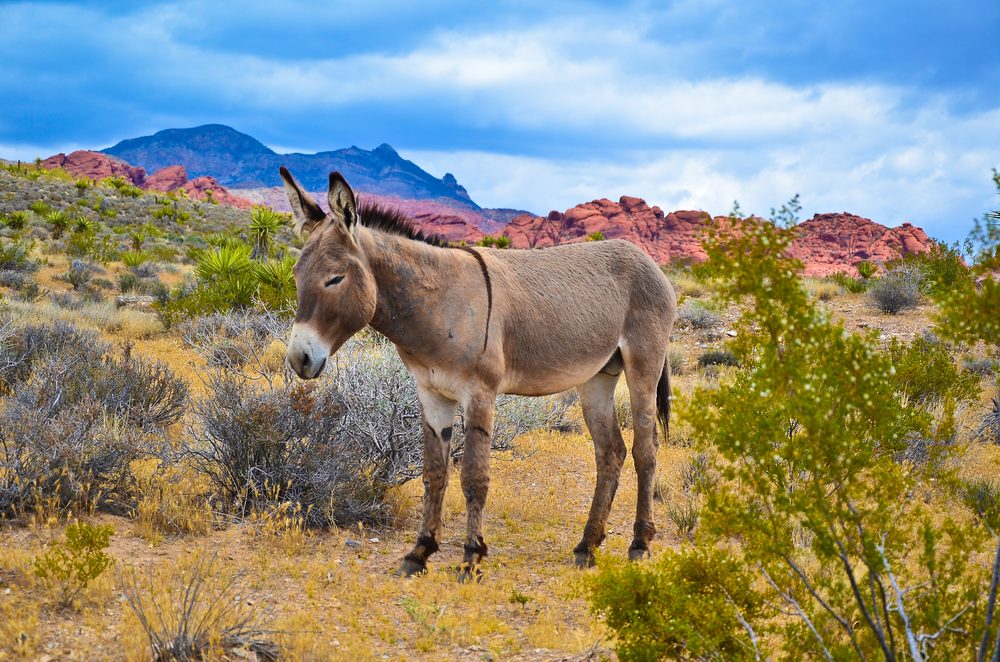
Per Wikipedia, wild burros are a familiar sight throughout the conservation area — descendants of animals that escaped or were abandoned by settlers, ranchers, prospectors, and Native American tribes, per the photo record on Wikimedia Commons — alongside rabbits and ground squirrels. Desert bighorn sheep are occasionally seen at higher elevations, and roughly 600 species of plants grow across the property’s two desert zones. The Visitor Center itself doubles as a protected habitat for the desert tortoise; Wikipedia’s account describes eight females and two males living there, though that headcount naturally shifts over time. Source: Wikipedia, Red Rock Canyon NCA.
6. Turtlehead Peak — a Strenuous 4.6-Mile Summit Hike With the Best Panorama in the Park
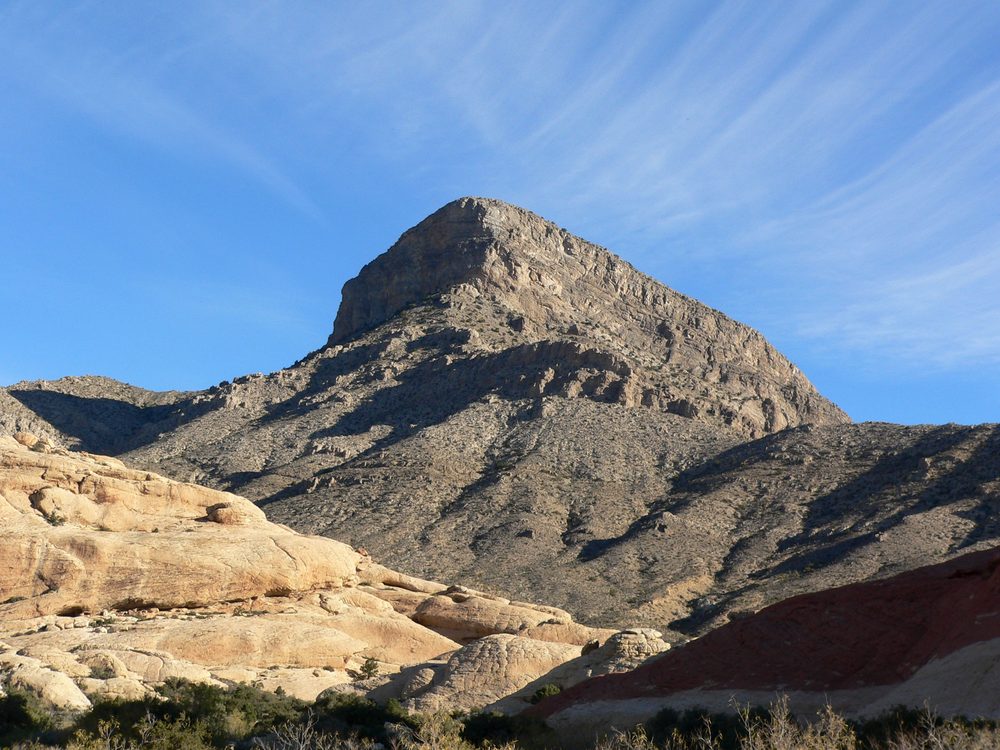
At 4.6 miles round-trip and 3.5 to 4.5 hours, redrockcanyonlv.org rates this one strenuous — but also, per its own trail description, “one of the most accessible peaks” in the park despite the climb. The site’s advice is blunt and specific: start early if it’s hot, bring a windbreaker if it’s windy at the top, because the payoff is one of the best panoramic views of the entire canyon. Source: redrockcanyonlv.org, Turtlehead Peak.
5. Calico Hills & Calico Tanks — a Hidden Water Pocket and a Vegas Skyline View
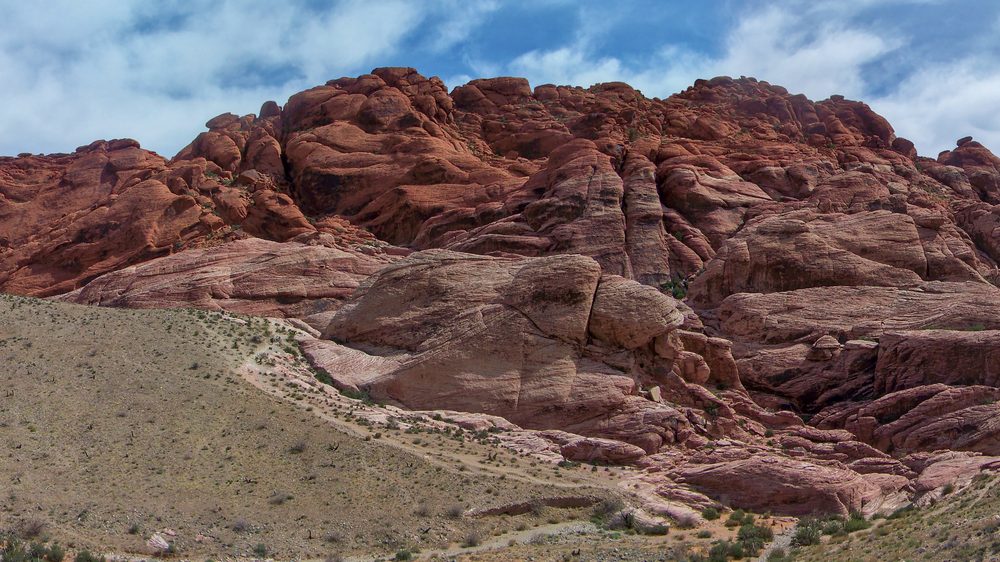
Two connected trails, both starting near the same stretch of the Scenic Drive. Calico Hills itself runs the base of the Calico Rocks from Calico Basin to Sandstone Quarry, 2–6 variable miles, easy to moderate, per redrockcanyonlv.org. Calico Tanks branches off into something more specific: a 2.2-mile, roughly 2-hour scurry over jumbled sandstone to a hidden natural water pocket, or “tank,” with a genuine view of the Las Vegas skyline from the far end — the site’s own copy calls it a hike that “combines elements of the prehistory, history, geology, beauty, and fun that makes Red Rock famous” in one relatively short trip. It’s also one of the two most popular sport-climbing areas in the whole park, a detail that sets up the next stop. Source: redrockcanyonlv.org, Calico Hills; redrockcanyonlv.org, Calico Tanks.
4. World-Class Rock Climbing on Aztec Sandstone — “Yosemite-Size Walls” That Made Red Rock an International Destination
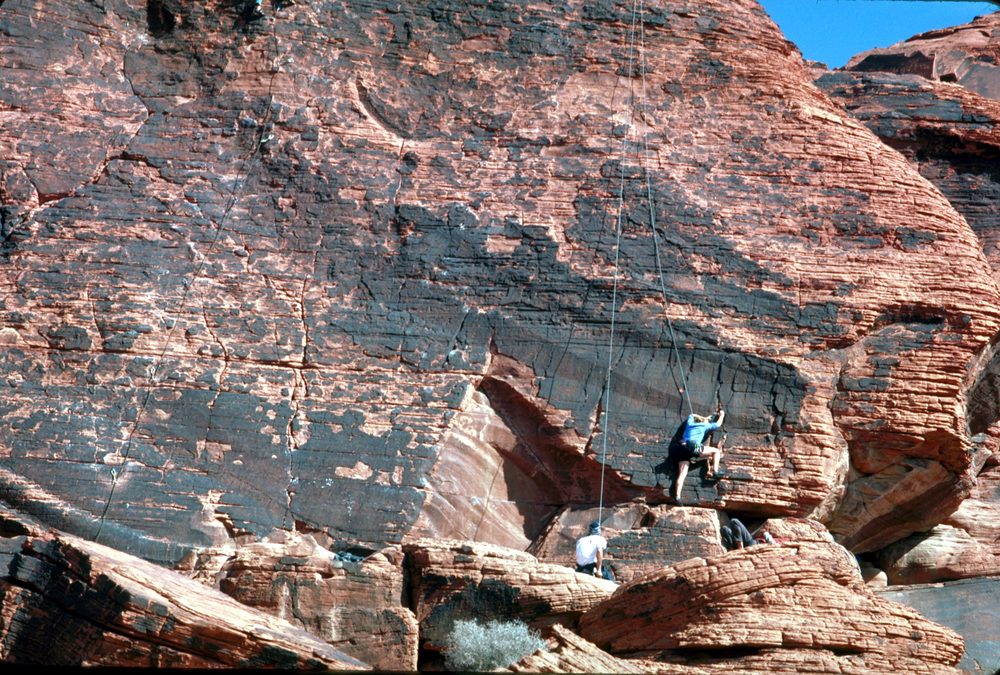
Wikipedia doesn’t hedge on this one: Red Rock’s walls, cut from a relatively solid variety of Aztec Sandstone with hard surface varnish, are “Yosemite-size,” and while technical climbing here wasn’t recorded before 1968, the broad appeal and classic nature of its routes have since made the canyon “an international destination for rock climbers.” Popular sport-climbing areas include Calico Hills and Sandstone Quarry; traditional multi-pitch routes cluster at Eagle Wall, Aeolian Wall, Mescalito, and Solar Slab, with long free and big-wall aid routes on Rainbow Wall and Buffalo Wall; bouldering concentrates at Kraft Boulders and Black Velvet Canyon. It’s popular enough that BLM now runs a formal permit system for guided climbing — per blm.gov, the five available full-time commercial climbing-guide permits are currently full, and non-permitted guest climbing access is capped at 10 days a year, allocated through a yearly lottery. Source: Wikipedia, Red Rock Canyon NCA; blm.gov, Red Rock Canyon NCA.
3. Spring Mountain Ranch State Park — a Stolen 33.6-Carat Diamond, Then Howard Hughes
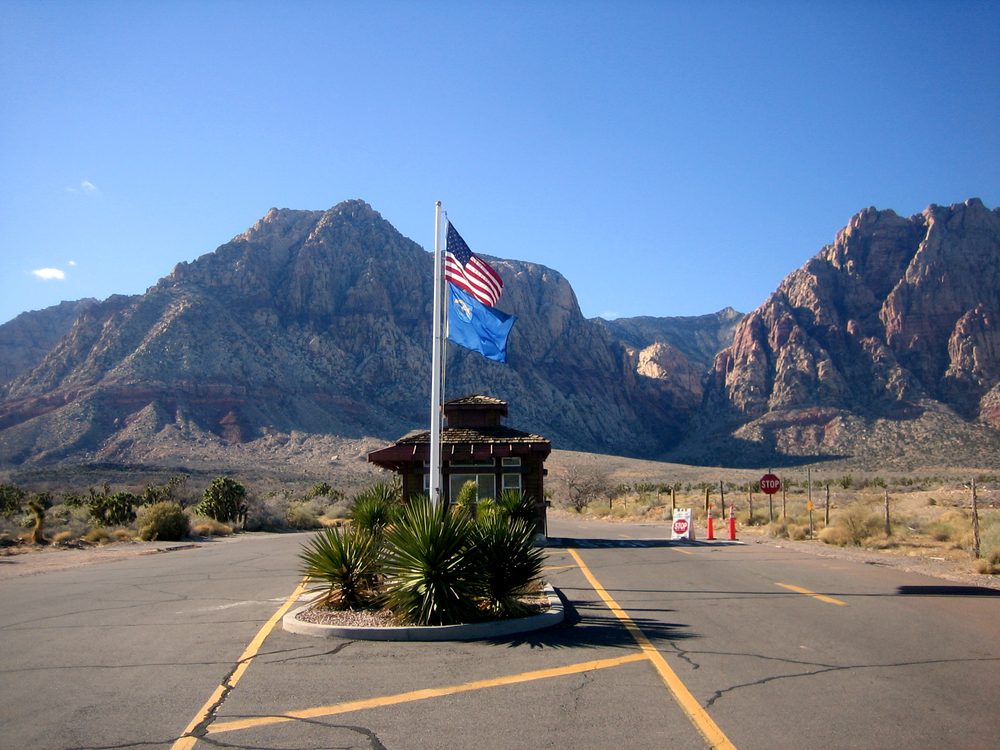
Tucked inside the conservation area’s Cottonwood Valley near Blue Diamond, this is genuinely one of the wilder ownership histories of any property in Nevada, per Nevada State Parks’ own history page. Radio and film star Chester Lauck — half of the comedy duo behind Lum & Abner — bought the ranch outright in 1948 and renamed it “Bar Nothing Ranch.” In 1955 he sold it to German-born actress Vera Krupp, the ex-wife of German industrialist Alfried Krupp (convicted of Nazi-era war crimes and barred from entering the US), who renamed it Spring Mountain Ranch. On April 10, 1959, while Krupp and a ranch employee ate dinner, three armed men forced their way into the main house and stole her 33.6-carat blue-white Krupp Diamond; it was recovered six weeks later in New Jersey. In 1967, Krupp sold the ranch to Howard Hughes for a reported $625,000 — Hughes, per the park’s own account, never actually visited the property himself; it was mainly used by his right-hand man, Robert Maheu. Hughes sold it in 1972 to developers for $1.5 million, and after a rezoning fight, it became a Nevada state park in 1973 — entered into the National Register of Historic Places as the historic Sandstone Ranch district in 1976. Source: parks.nv.gov, History of Spring Mountain Ranch State Park; Wikipedia, Spring Mountain Ranch State Park.
2. The Red Rock Canyon Visitor Center — LEED Gold-Certified, With a “Million-Dollar View” of the Calico Hills
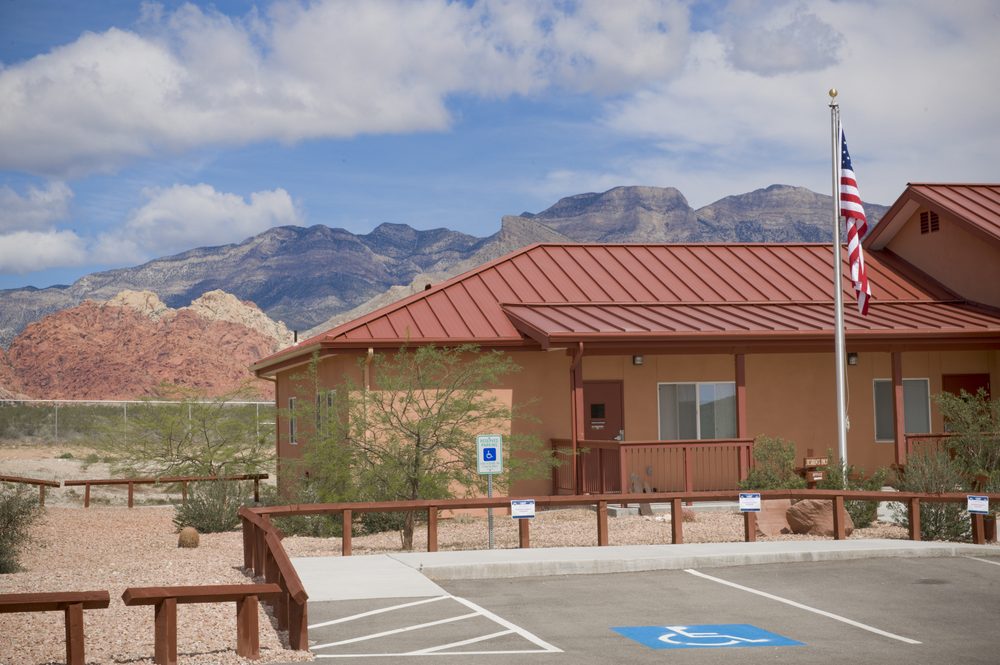
Open daily 8am to 4:30pm, per both redrockcanyonlv.org and blm.gov. The current building opened in 2009, funded through the Southern Nevada Public Land Management Act to replace a much smaller 1982 original (now the administrative building) that was built back when Red Rock drew about 20,000 visitors a year — a fraction of today’s roughly three million, per blm.gov’s own account. It’s LEED gold-certified, with most of its interpretive exhibits arranged outdoors around four themes — earth, air, fire, and water — and a live desert tortoise habitat visitors can walk right up to. Indoors: a reception desk, a 17-minute film about Red Rock Canyon, a community corner, the Elements gift shop, and, per BLM’s own description, “a million-dollar view of the Calico Hills from a drafting table open for visitors to use.” Source: blm.gov, Red Rock Canyon NCA; redrockcanyonlv.org, Visitor Information.
1. The 13-Mile Scenic Drive — the One-Way Loop That Ties the Whole Park Together
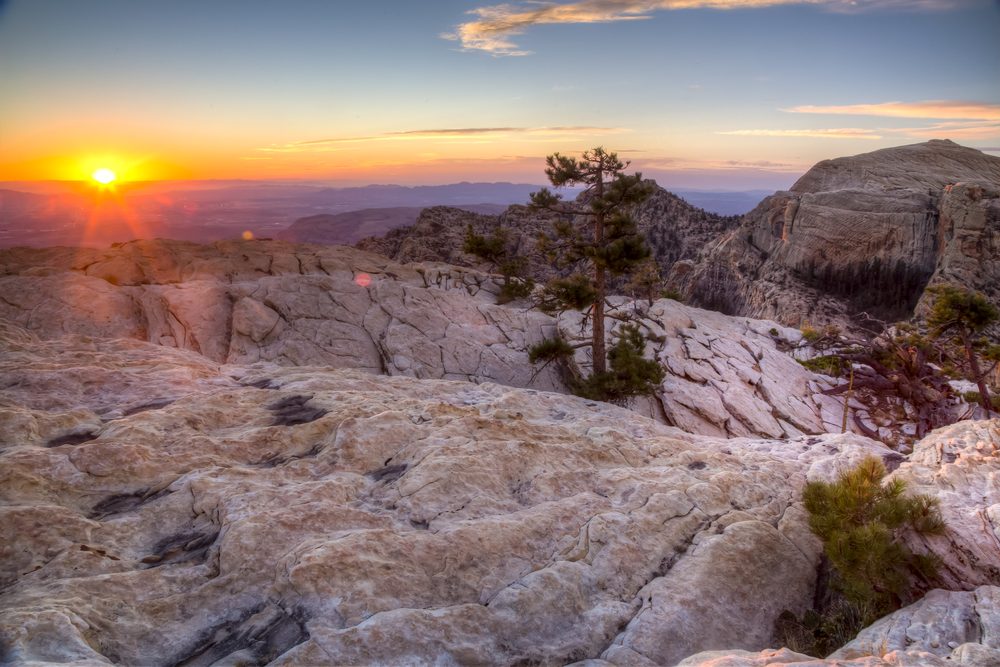
This is the anchor everything else on this list branches off of: a one-way, 13-mile paved loop open to both vehicles and bicycles, with nine numbered stops, trailheads, and overlooks along the way (not counting the Visitor Center), per BLM’s own accessibility page. Entrance fees, current as of redrockcanyonlv.org’s own fee page: $20 per car or truck, $10 per motorcycle, $8 per bicycle, $5 per pedestrian, all one-day rates, plus annual options ($50 for a Red Rock-specific annual pass, or $80 for the nationwide America the Beautiful annual pass, which also covers national parks). As of this publish date, no timed-entry reservation is required — that only kicks in October 1 through May 31, per blm.gov — so the gate fee alone gets a vehicle onto the loop. Hours run 6am to 8pm through September, shifting shorter as the days get colder later in the year. The drive itself starts with a moderate climb before turning mostly downhill or flat, which is part of why it’s also popular with road cyclists, per Wikipedia. Source: redrockcanyonlv.org, Fees & Passes; blm.gov, Red Rock Canyon NCA; Wikipedia, Red Rock Canyon NCA.
Ten stops, all checked directly against redrockcanyonlv.org, blm.gov, or Wikipedia rather than a secondhand “best of Vegas” roundup — plus the honest Bonnie Springs closure and the reservation-window caveat up front. Next in the mini-series: Chinatown and Spring Mountain Road, Day 6 and the final stop.