
I run most of what I spend through a rewards card and pay it off every month, which is how I ended up inside the national credit card debt number without owing anyone interest (see Story #169). The points have always felt free. They are not free. They are billed to someone else, and I was today days old when I learned that Visa publishes the invoice. Its interchange fee schedule, dated October 24, 2026, lists what a store’s bank pays a cardholder’s bank on every card-present retail purchase. Big-bank debit card: 0.05% plus 21 cents. Visa Infinite, the top consumer credit tier: 2.30% plus 10 cents. On a $100 purchase, by my arithmetic, that is about 26 cents versus $2.40 for the same tap at the same register. In the European Union the cap on consumer credit interchange is 0.3%, or 30 cents.

What a swipe costs, from Visa’s own schedule
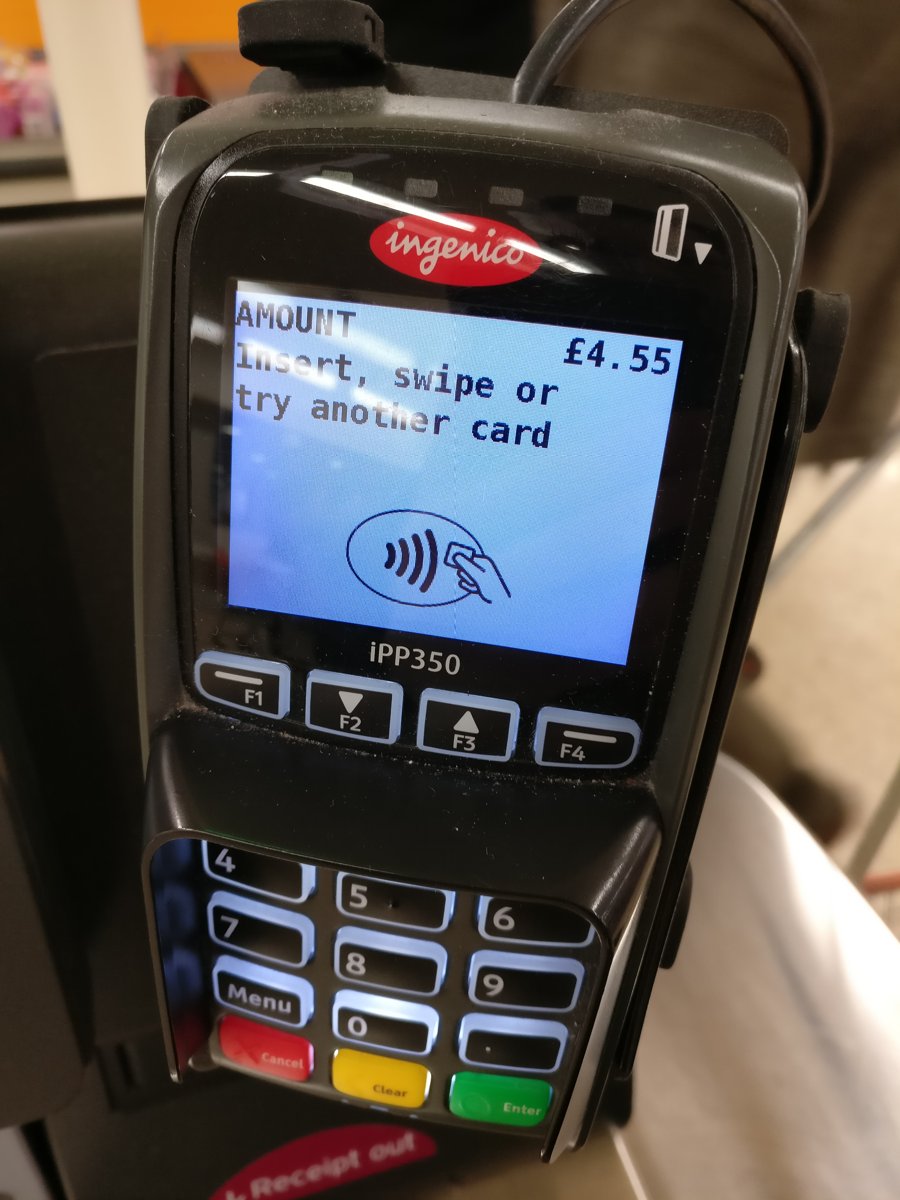
Interchange is the fee that flows from the merchant’s bank to the card issuer. Visa’s published card-present Retail Credit rates, effective October 24, 2026. Source: Visa USA Interchange Reimbursement Fees.
- Visa Infinite (spend-qualified): 2.30% + $0.10
- Visa Signature Preferred: 2.10% + $0.10
- Visa Signature: 1.65% + $0.10
- Traditional and “all other” consumer credit: roughly 1.43% to 1.51% + $0.10
- Exempt small-bank debit: 0.80% + $0.15
- Regulated big-bank debit: 0.05% + $0.21
Two caveats, both from the same document. Online, supermarket, fuel and small-ticket purchases carry different rates. And Visa notes that merchants technically pay a “merchant discount,” of which interchange is one component, alongside network and processor fees. Across all Visa and Mastercard transactions in 2024, the weighted-average fee merchants paid was about 2.35%, according to the Nilson Report as cited by Payments Dive.
The part that makes this a “who pays” question: the store generally charges everyone the same shelf price, whether you hand over cash, a debit card, or a metal card that earns airline miles.
Who ends up paying
Two studies, sixteen years apart, have tried to put a number on it. Both reach the same direction and both come with real caveats.
- Boston Fed, 2010 (Schuh, Shy and Stavins, “Who Gains and Who Loses from Credit Card Payments?”): each cash-using household pays about $149 a year toward card users, and each card-using household receives about $1,133 a year from cash users. After bank-paid rewards, the lowest-income households (under $20,000) pay about $21 a year and the highest (above $150,000) receive about $750. The model assumed roughly a 2% merchant fee and a 1% reward rate. Source: Boston Fed.
- NBER Working Paper 35067, April 2026 (Egan, Matvos, Seru, Wang and Yao, “Who Pays for Payments?”): interchange fees transfer about $30 billion a year from cash and debit users to credit card users. Consumers sorting into different cards and fee variation shrink the transfer by about 25% but do not eliminate it, and the authors conclude that both the Durbin debit cap and the growth of premium cards “have been regressive.” Source: NBER.
The pushback is real, too. Ron Shevlin at Forbes disputes the framing and argues the causal chain from swipe fee to shelf price is weak. The Electronic Payments Coalition, the card industry’s trade group, says the estimates run high and that rewards reach households across the income range. Merchants, for their part, do get something for the fee: sales they might not otherwise make, faster checkout, and fraud risk that sits mostly with the bank.
The honest hedge: “cash users pay $149” is a modeling result, not a line on anyone’s receipt. The $149 and $1,133 figures are not two sides of one transaction either; they reflect how many households sit in each group. And nobody has a clean, current, independent estimate of how much of the swipe fee actually shows up in prices. Regulators in the EU and Australia say some savings from their caps reached consumers; Mastercard has told UK lawmakers retail prices did not fall. That argument is still in court in Britain.
The debit cap that already exists
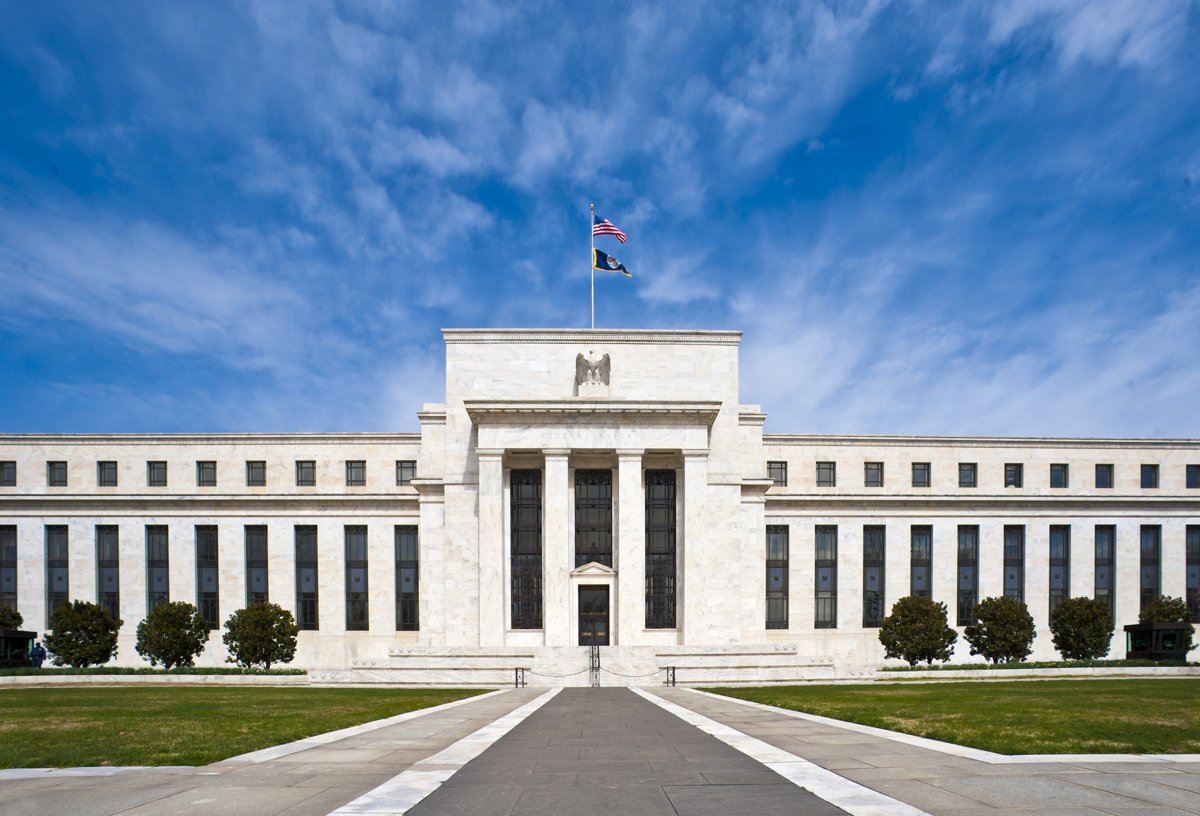
Debit interchange has been capped since the 2010 Durbin Amendment and the Fed’s Regulation II, which is why the debit line on Visa’s schedule looks so different. The Fed’s own data for 2024:
- The cap formula is $0.21 + 0.05% of the transaction, plus a 1-cent fraud adjustment.
- Regulated (large-bank) issuers averaged 23 cents per debit transaction, covering 60.7% of debit transactions.
- Exempt small-bank issuers averaged 51 cents, on the other 39.3%. Source: Federal Reserve.
- Total debit and prepaid interchange was $34.12 billion in 2023, per the Fed’s December 2025 biennial report. Source: ABA Banking Journal.
That cap is now in legal limbo. On October 26, 2026, the Eighth Circuit, in Corner Post v. Board of Governors, affirmed a lower-court ruling that the Fed overshot its authority by letting banks count fixed costs rather than only the incremental cost of a transaction, and sent the rule back to the Fed to rewrite. Retailers cheered; credit unions did not. Both sides agree the ruling “is not yet effective” and may face further review, so the $0.21 cap stands for now. A companion case, Linney’s Pizza v. Fed, is pending in the Sixth Circuit. Sources: RILA; America’s Credit Unions. The counterintuitive part: a rewrite could push the cap lower, not higher.
The $38 billion settlement that isn’t final yet

Merchants have been suing Visa and Mastercard over credit interchange since 2005. A first attempt at a deal was thrown out in June 2024, when Judge Margo Brodie called its estimated $6 billion a year in savings “paltry” against roughly $100 billion in 2023 fees. Source: Finextra. The replacement, announced November 2025, is what Visa told the SEC it agreed to. Source: Visa 8-K.
- The U.S. average effective credit interchange rate drops 10 basis points (0.10 percentage point) for five years.
- Standard consumer credit rates are capped at 125 basis points (1.25%) for the term.
- Merchants may choose which of three card categories to accept: commercial, premium consumer, standard consumer.
- Merchants get more latitude to surcharge credit cards.
- The filing itself names no dollar figure; press coverage uses $38 billion, and the Electronic Payments Coalition claims more than $200 billion in concessions over eight years, an advocate’s estimate.
Judge Brian Cogan granted preliminary approval on June 9, 2026, calling it “fair, reasonable, and adequate” for a class of about 12 million merchants. Source: Payments Dive. A coalition of 978 merchants and trade groups, led by Walmart, filed objections calling the cut miniscule; NACS, the convenience-store association, says it will appeal to the Second Circuit if the deal is approved. The final-approval hearing is reported for November 16, 2026, and the outcome is unknown as this is written. Both sides describe the settlement as a win, which tells you how much of this is still in play.
What Washington has and hasn’t done
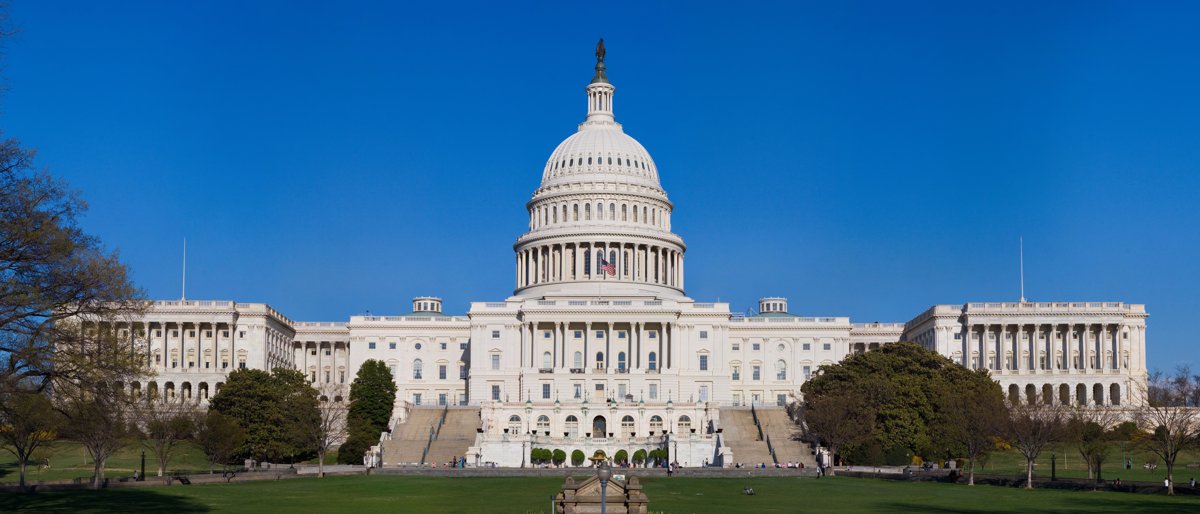
- Credit Card Competition Act (S. 3623), which would require big-bank credit cards to offer a second network for routing: introduced January 13, 2026 by Sen. Roger Marshall with Sens. Durbin and Welch and referred to Senate Banking; three more cosponsors joined August 7. A House companion is H.R. 7035. As of early November, no committee action or floor vote has been recorded. Source: Congress.gov.
- A 10% interest-rate cap, called for by the president in January 2026, has not been enacted. Source: CNBC.
- The CFPB’s $8 late-fee rule is gone. A Texas federal court vacated it on April 15, 2025; the prior roughly $30 to $32 safe harbor stands. Source: American Banker.
What Europe did, and the Brexit twist

The EU’s 2015 Interchange Fee Regulation capped consumer interchange at 0.2% for debit and 0.3% for credit. Commercial cards are uncapped, and merchants are lobbying to change that. Source: EuroCommerce. The UK kept the same caps on domestic cards after leaving the EU, but once Britain was outside the bloc, Visa and Mastercard reclassified UK-to-EEA online purchases as cross-border and raised interchange to 1.15% debit and 1.5% credit, which the Payment Systems Regulator estimated cost UK businesses £150 to £200 million a year. On January 15, 2026, the High Court upheld the regulator’s power to cap those fees; the level and timing are still open. Source: FStech.
Did Europe’s caps kill rewards? The free-market International Center for Law & Economics, an interested party, says that in every capped jurisdiction it reviewed, issuers cut rewards, raised annual fees, or raised other charges. Source: ICLE. I could not find an independent, regulator-published study of the effect on rewards, so treat the common line that “Europeans don’t get points” as plausible but unproven.
So who pays for my points? Some combination of the store, which pays the fee; whoever absorbs the sliver of it that leaks into prices, including the person paying cash in the next lane; and, as Part 2 will get into, the people carrying a balance on the very same cards. The one thing every side agrees on is that the fee is real and that somebody other than me is paying it. The Visa PDF says 2.30%. The argument is over the rest.
Next: Part 2 — the fine print on points, balances and annual fees