After Rome (#087), the itinerary swings north for a quick two-night stopover in Venice, starting July 19. Two nights is not a lot of time in a city built entirely out of water, so this list leans practical: the things actually worth doing, plus the reservation and timing details that would otherwise eat into a short visit. Unlike the Rome list, I didn’t rule out the obvious headline stops — with only two nights, St. Mark’s Square and the Doge’s Palace aren’t skippable, so instead I dug for the specific, verified detail that makes each one worth the time (or worth booking in advance). Everything below is checked against an official venue page or Wikipedia rather than copied from a generic listicle. Here’s the countdown.
10. Murano and Burano — Glassblowing, Lace, and the Most Photogenic Houses in the Lagoon
In 1291, the Venetian Republic ordered every glassmaker in the city to move their furnaces to the island of Murano, fearing fire in a city built almost entirely of wood. The order backfired into a monopoly: Murano’s glassmakers went on to develop optically clear glass, gold-threaded aventurine, and millefiori glass, and held a near-total lock on high-quality European glassmaking for centuries. Source: Wikipedia, Murano.
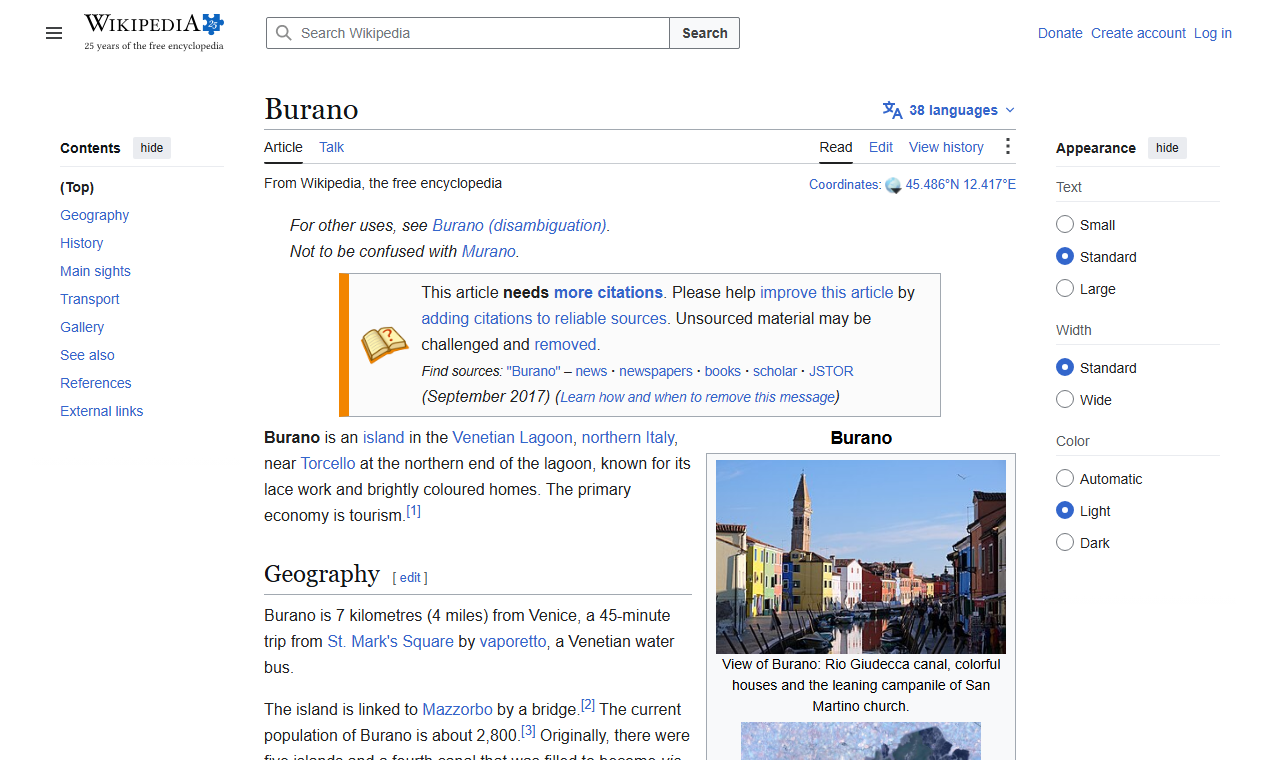
Burano, a further 45-minute vaporetto ride from St. Mark’s Square, is known for lace-making introduced in the 16th century and for its brightly painted houses — residents must request permission from the local government before repainting, which assigns the specific colors allowed for that address. Source: Wikipedia, Burano. With only two nights, this only really works as a single combined half-day out on the ACTV vaporetto network — plan a morning, not an afternoon add-on.
9. The Venetian Ghetto — the 510-Year-Old Neighborhood That Gave the World the Word “Ghetto”
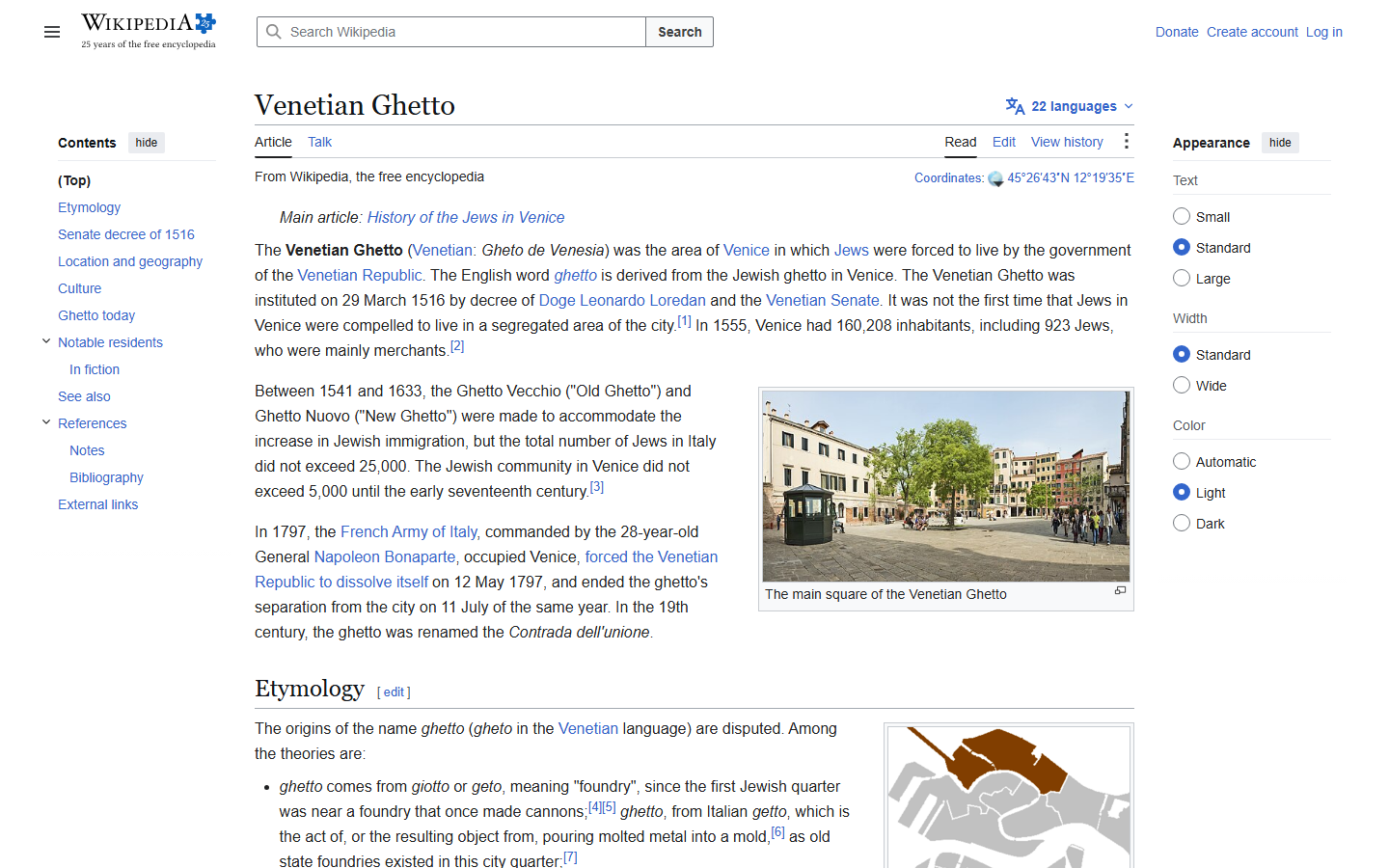
The English word “ghetto” comes directly from this neighborhood. On March 29, 1516, Doge Leonardo Loredan and the Venetian Senate decreed that Jewish residents of Venice must live together within the Ghetto Nuovo. By 1555, Venice had 160,208 residents, including 923 Jews, most of them merchants. Source: Wikipedia, Venetian Ghetto.
The separation lasted until Napoleon’s occupying French army ended it on July 11, 1797. Today the same square still holds five historic synagogues and the Jewish Museum of Venice, with guided tours running directly from the square — a genuinely walkable stop rather than a detour.
8. Teatro La Fenice — the Opera House Literally Named for Rising From Its Own Ashes, Twice
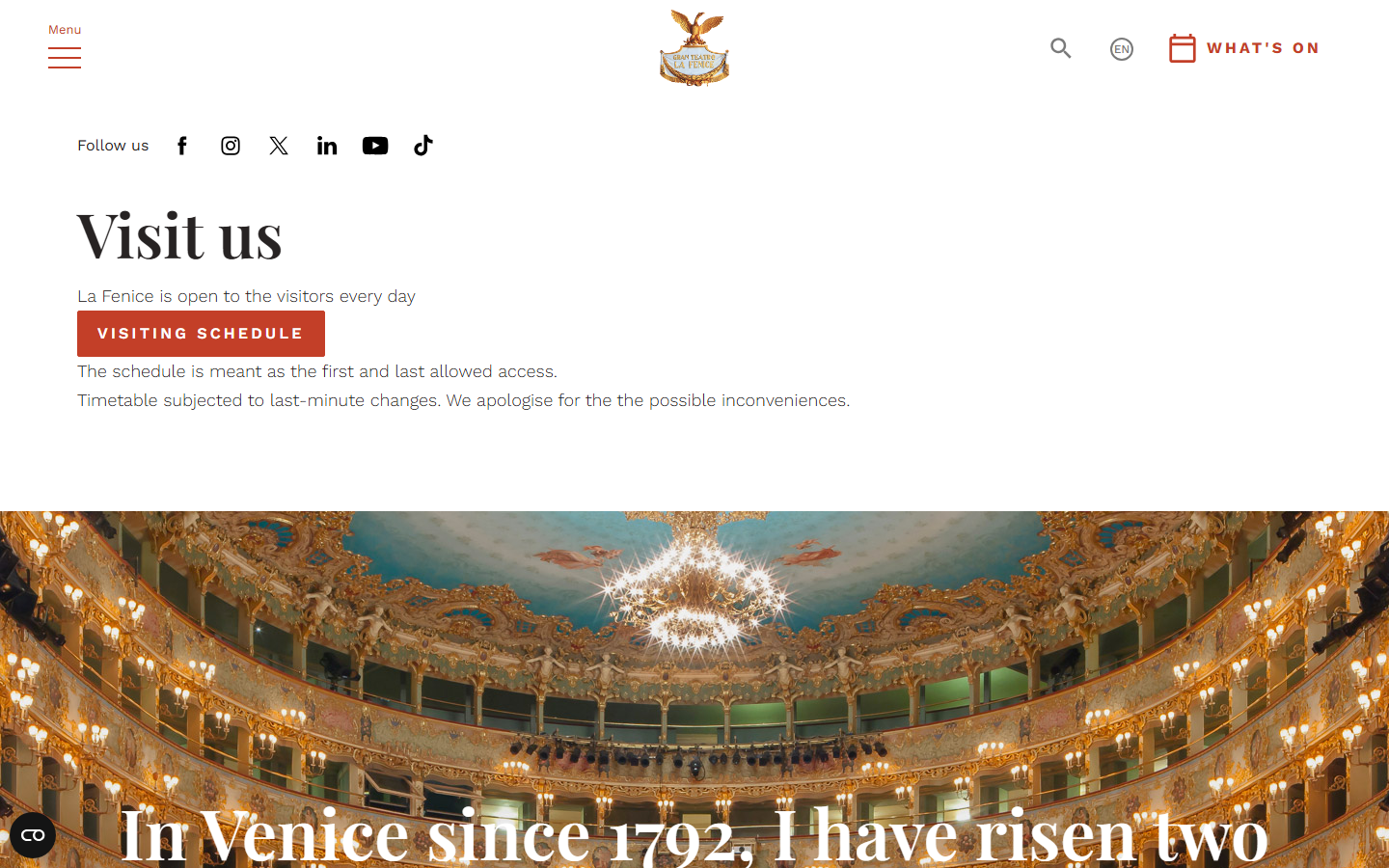
The name is not poetic exaggeration. The opera house that opened in 1792 was built specifically to replace a previous Venetian theatre lost to fire, which is why its owners named it La Fenice — the Phoenix. It then burned down for real in 1836 and was rebuilt within a year, and burned again in a 1996 arson attack that gutted the building down to its exterior walls, reopening in November 2004. Source: Wikipedia, Teatro La Fenice.
Per the theatre’s own site, La Fenice is open for self-guided daytime visits from 9:30am to 6pm whenever there’s no performance or rehearsal booked — no need to catch an actual opera to see the gilded, chandeliered auditorium up close. Source: Teatro La Fenice, Visit Us.
7. Scuola Grande di San Rocco — a Building Wallpapered Floor to Ceiling in Tintoretto
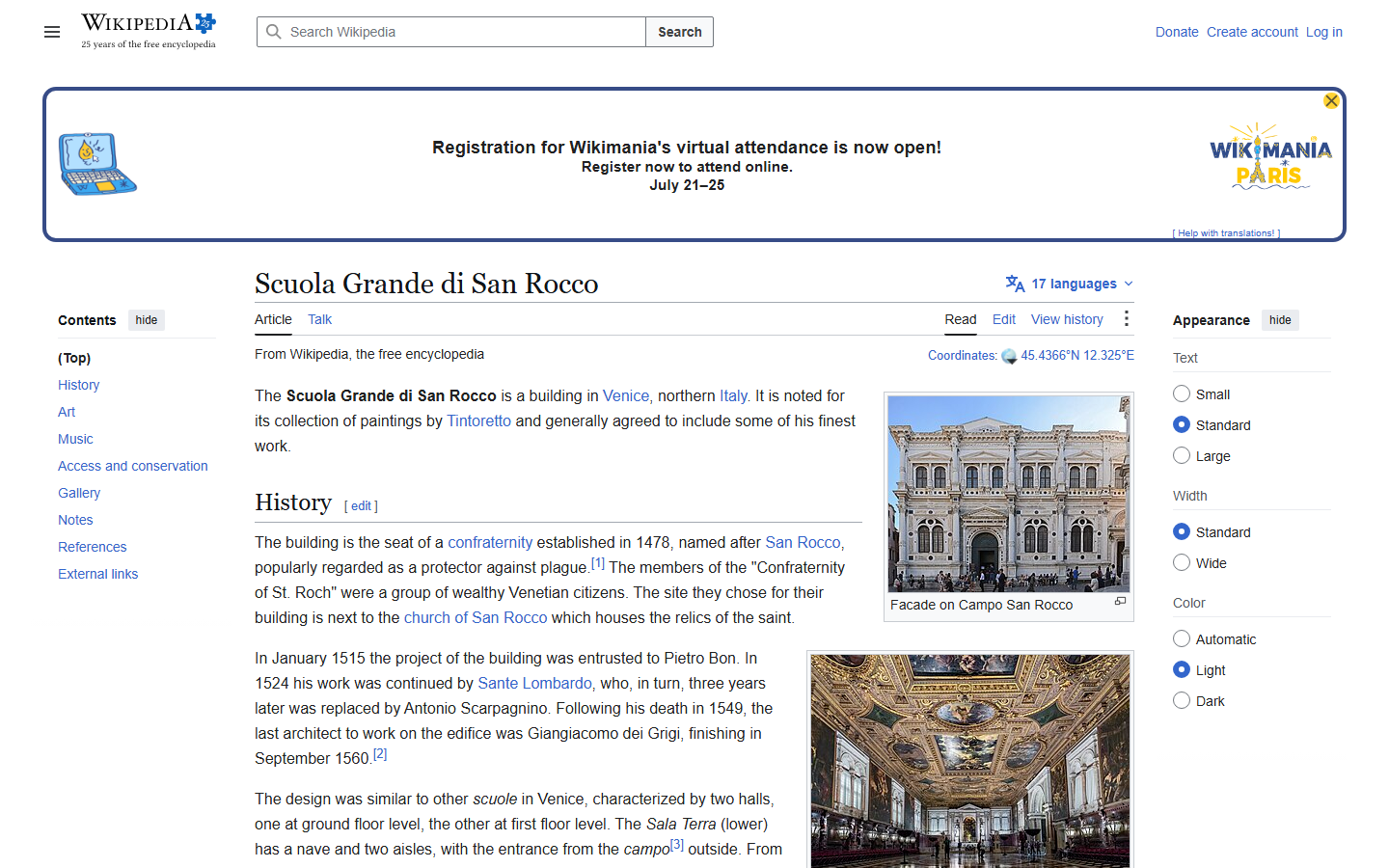
The Scuola Grande di San Rocco is the seat of a confraternity established in 1478. In 1564, the confraternity commissioned Tintoretto to provide paintings for the building, and he kept working on it until 1587 — ceilings and walls across both of its halls, running from Old Testament scenes to the life of Christ. Source: Wikipedia, Scuola Grande di San Rocco.
It’s open daily, sits a short walk from the Frari church, and draws a fraction of the crowd that the Accademia’s Tintoretto holdings do — despite housing what’s generally agreed to be some of his finest work, painted directly into a single building rather than scattered across a museum.
6. Santa Maria della Salute — Venice’s Plague Church, Still Marked Every November 21st
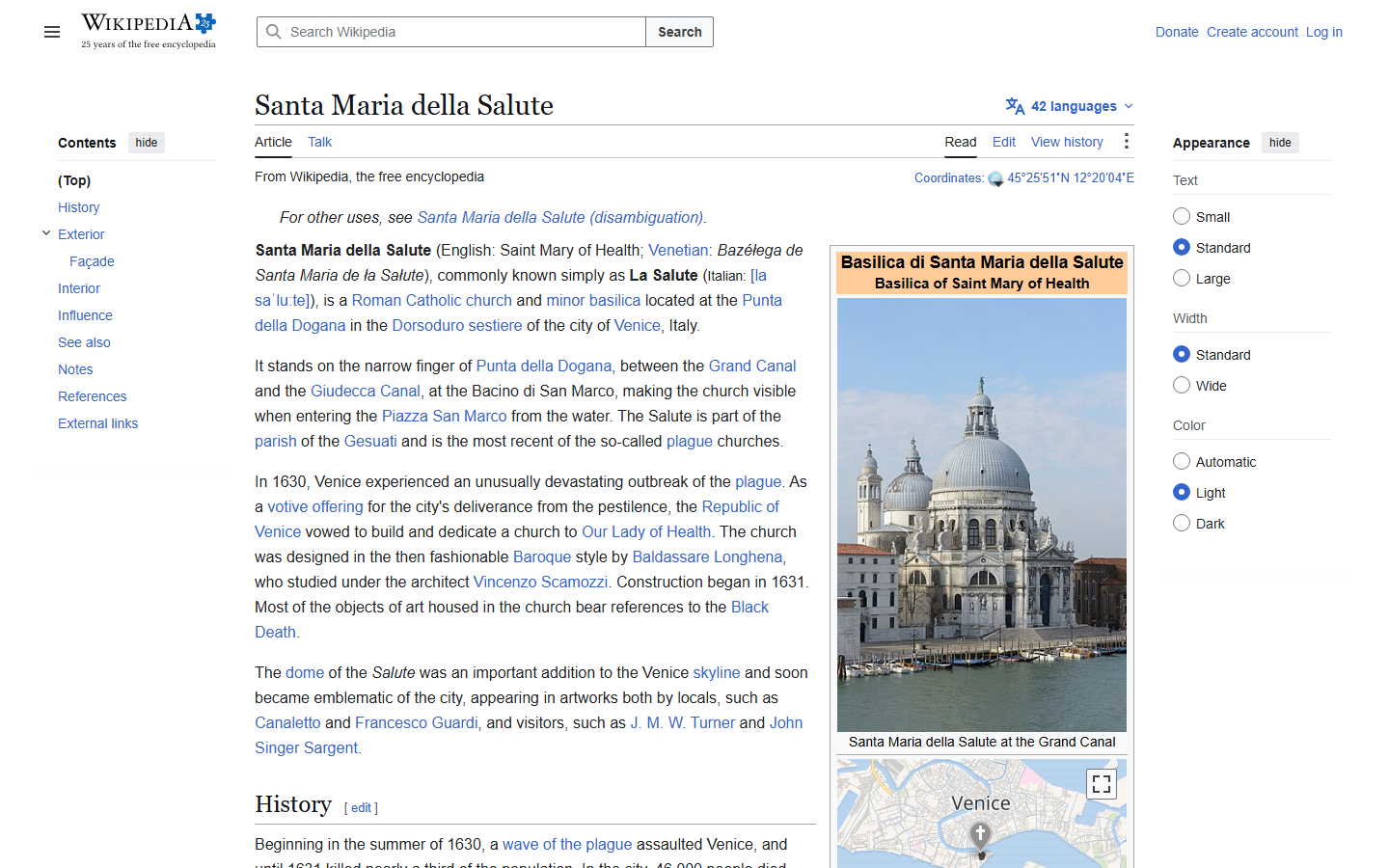
In 1630, a plague outbreak killed an estimated third of Venice’s population. On October 22, 1630, the Venetian Senate vowed to build a church dedicated to the Virgin Mary if the city was delivered from the epidemic; construction on Baldassare Longhena’s Baroque design began the following year. Source: Wikipedia, Santa Maria della Salute.
Its dome became so emblematic of the Venice skyline that Canaletto, Francesco Guardi, J.M.W. Turner, and John Singer Sargent all painted it. The debt is still marked every November 21, when the city processes across a temporary pontoon bridge built for the occasion — a tradition that has run for nearly four centuries.
5. The Bridge of Sighs — a 1600 Prison Crossing With a Name Lord Byron Invented
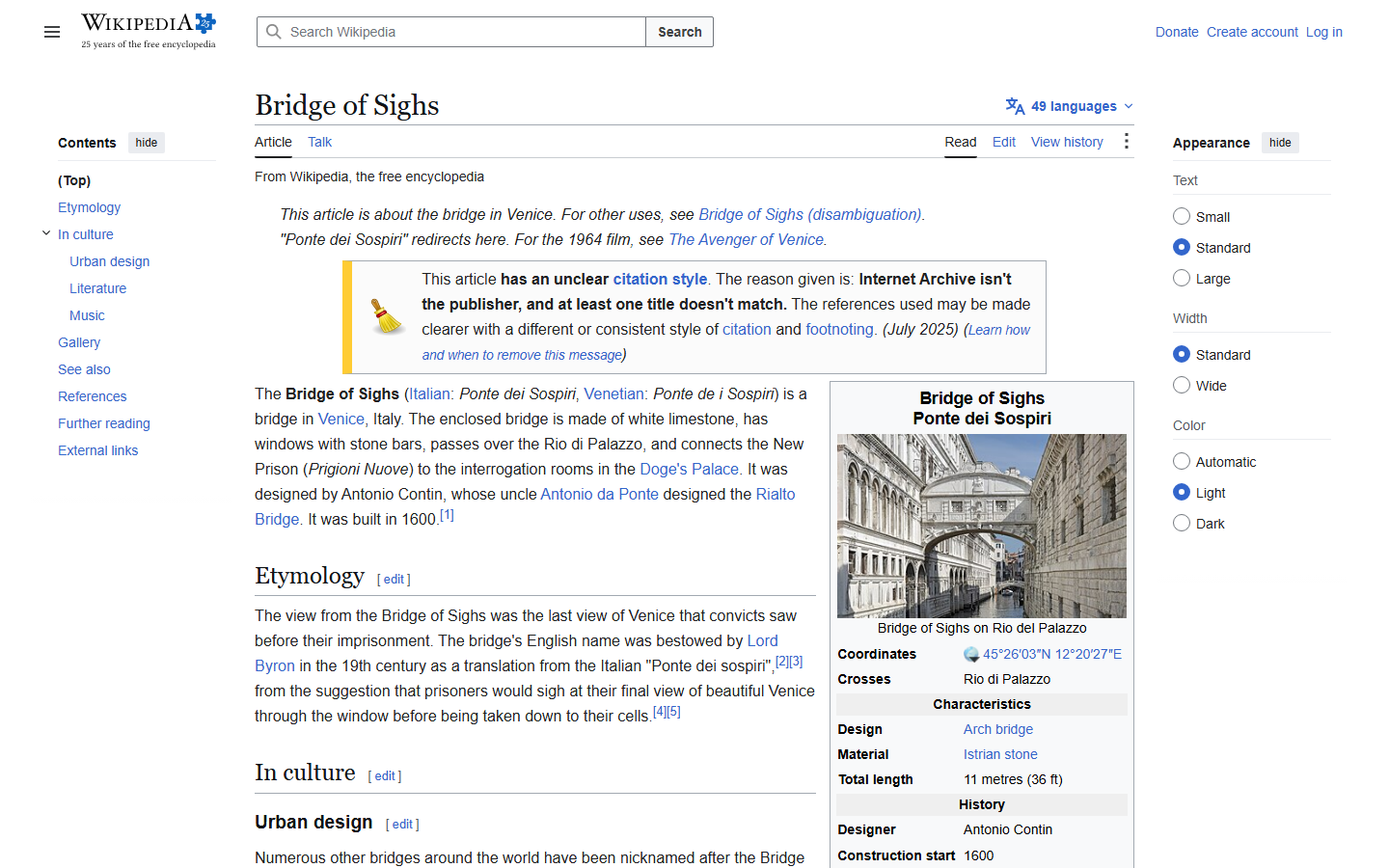
Built in 1600 and designed by Antonio Contin — nephew of Antonio da Ponte, who designed the Rialto Bridge — the enclosed limestone bridge connects the Doge’s Palace interrogation rooms directly to the New Prison. Its English name is a 19th-century invention: Lord Byron coined “Bridge of Sighs” as a translation of the Italian Ponte dei sospiri, on the idea that convicts sighed at their last glimpse of Venice through its windows. Source: Wikipedia, Bridge of Sighs.
The famous view is from outside, on the Ponte della Paglia — walking across the Bridge of Sighs itself only happens as part of a Doge’s Palace prison visit, not from the street.
4. The Rialto Bridge — the Stone Replacement for a Wooden Bridge That Collapsed Twice
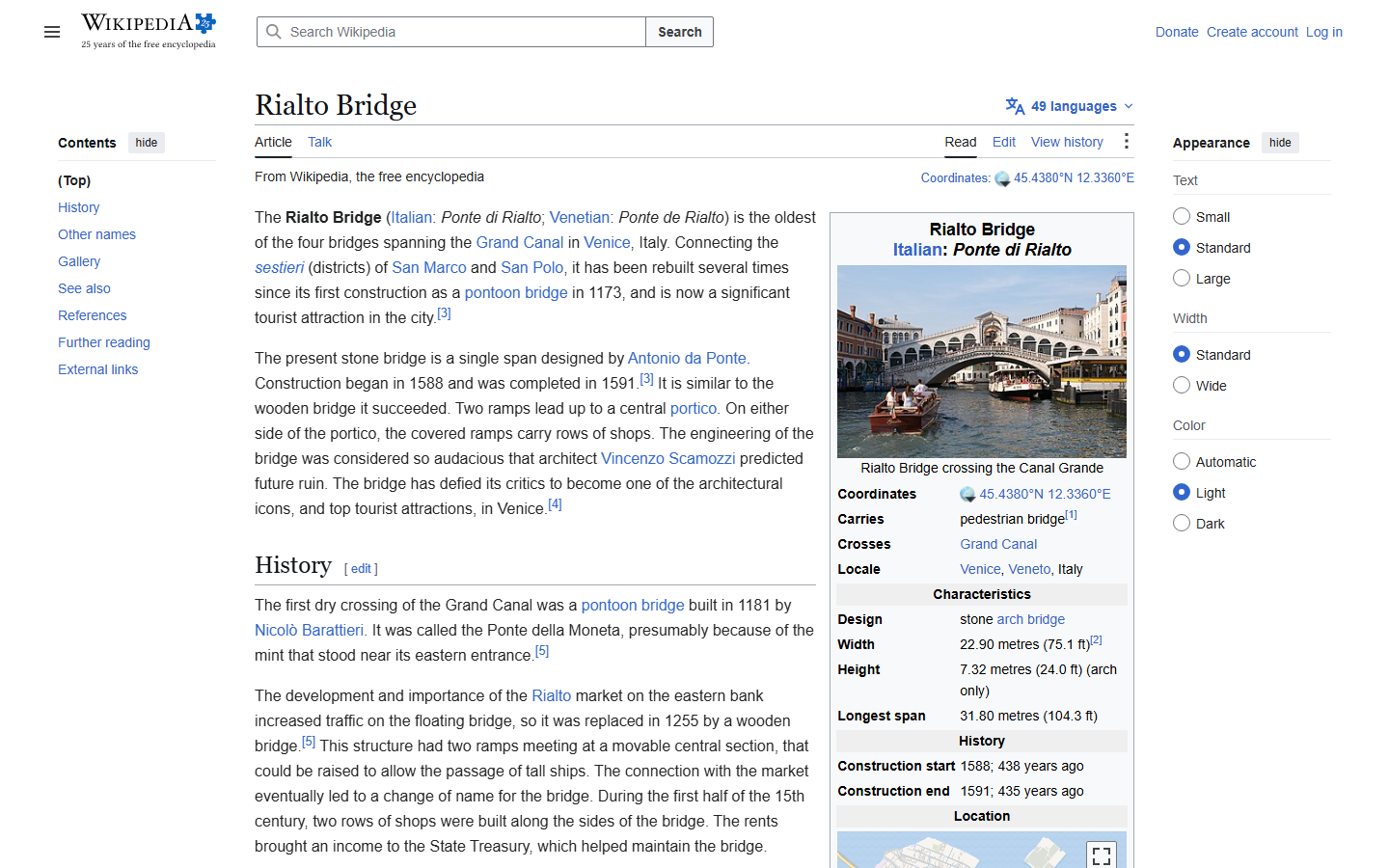
The current single-span stone bridge, designed by Antonio da Ponte, was built between 1588 and 1591. It replaced a wooden bridge that had collapsed once in 1444 under the weight of a crowd watching a wedding procession, and again in 1524. The engineering of the new stone design was considered so risky at the time that architect Vincenzo Scamozzi predicted it would eventually fail. It hasn’t. Source: Wikipedia, Rialto Bridge.
The Rialto Market alongside the bridge still runs mornings — arriving early gets you the working market rather than the midday tourist crush on the bridge itself.
3. The Venetian Arsenal — Europe’s First Assembly Line, Still Mostly Closed to the Public
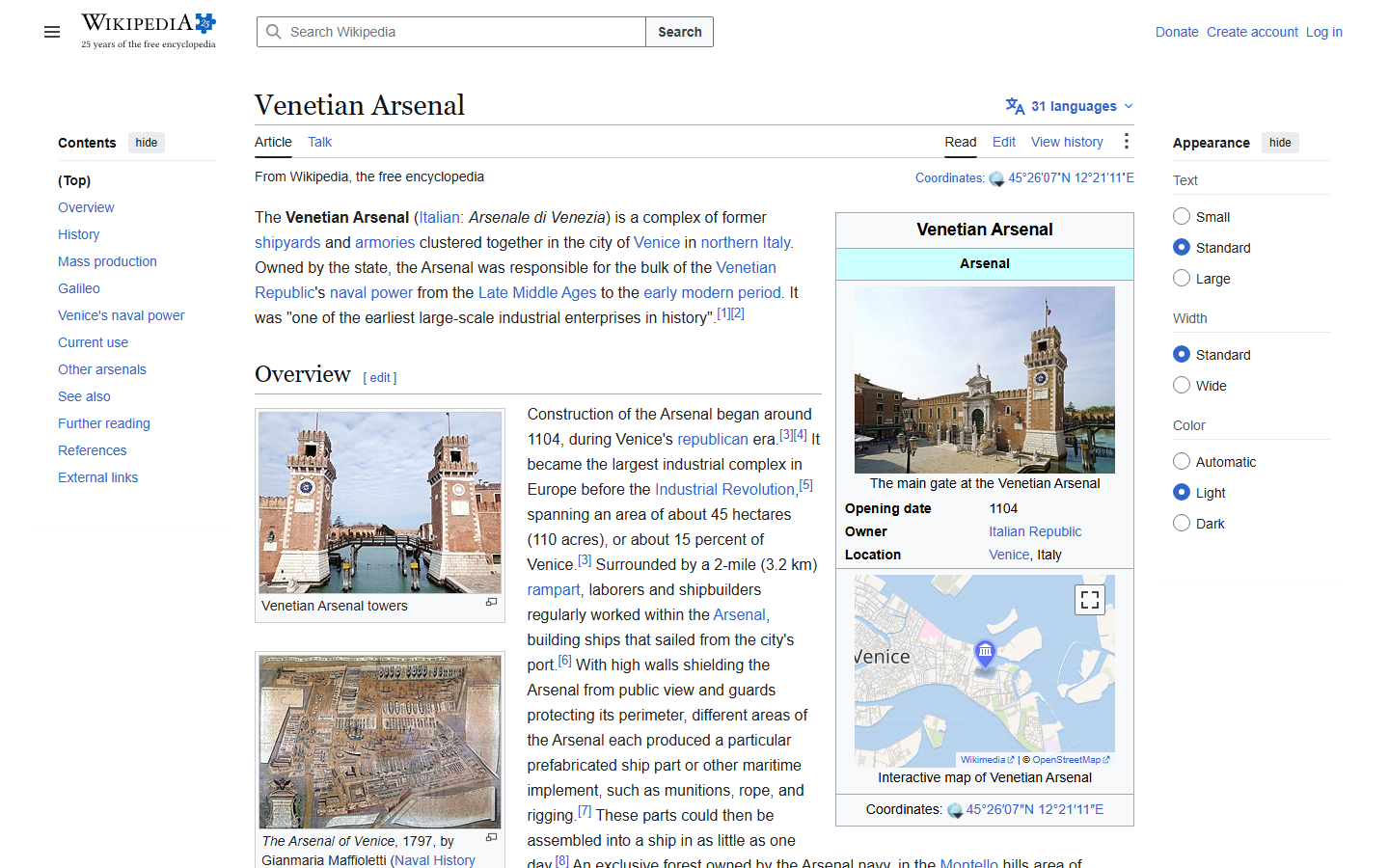
Construction of the Arsenal began around 1104. At its peak it covered roughly 45 hectares — about 15 percent of the entire city — and employed some 16,000 workers who mass-produced standardized ship parts on what amounted to a production line, capable of fitting out a fully armed galley in as little as one day, centuries before the Industrial Revolution. Source: Wikipedia, Venetian Arsenal.
The logistics twist: unlike everything else on this list, the Arsenal’s interior is largely closed to casual visitors year-round, opening mainly during the Venice Biennale or by special arrangement. On a normal two-night visit, the realistic plan is to walk up to the 1460 main gate, the Porta Magna, rather than count on getting inside.
2. The Doge’s Palace “Secret Itineraries” Tour — Into the Torture Chamber and Casanova’s Prison Cell
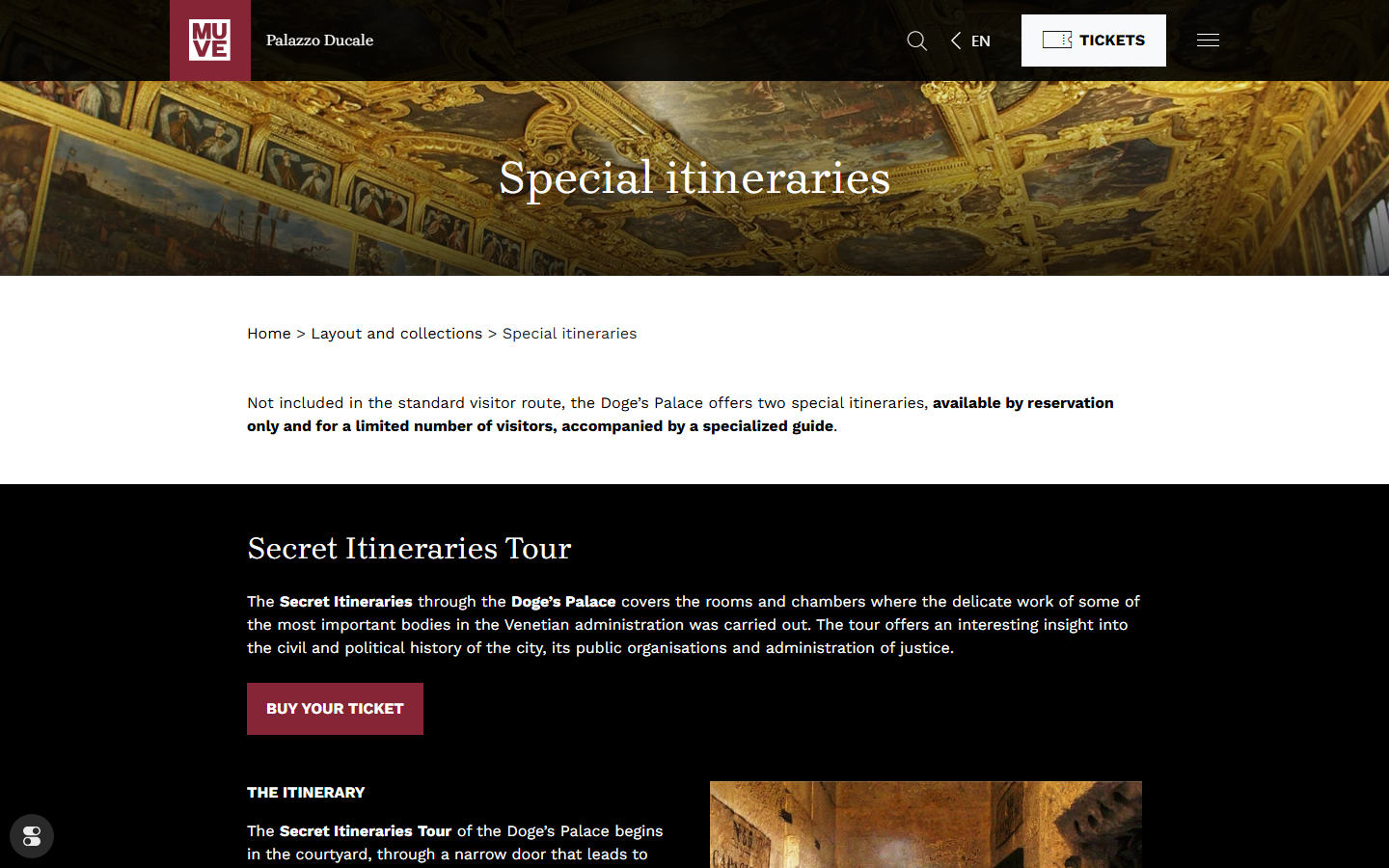
The Doge’s Palace itself dates to 810, was rebuilt in Venetian Gothic style starting in 1340, and became a public museum in 1923. Source: Wikipedia, Doge’s Palace. Separate from the standard entry ticket, a guided Secret Itineraries Tour — reservation-only, €40 general / €20 reduced — walks through the damp Pozzi prison cells, the Torture Chamber, and both of Casanova’s reconstructed cells in the Piombi, ending in the Chamber of the Inquisitors beneath a Tintoretto ceiling from 1566–1567. Source: Palazzo Ducale, Special Itineraries.
This tour runs with a limited number of visitors per slot and is genuinely worth booking before you land — the same logic as reserving Galleria Borghese ahead of a Rome trip (#087).
1. St. Mark’s Basilica — a Brand-New 2026 Ticketing System Is Already Changing How You Get In
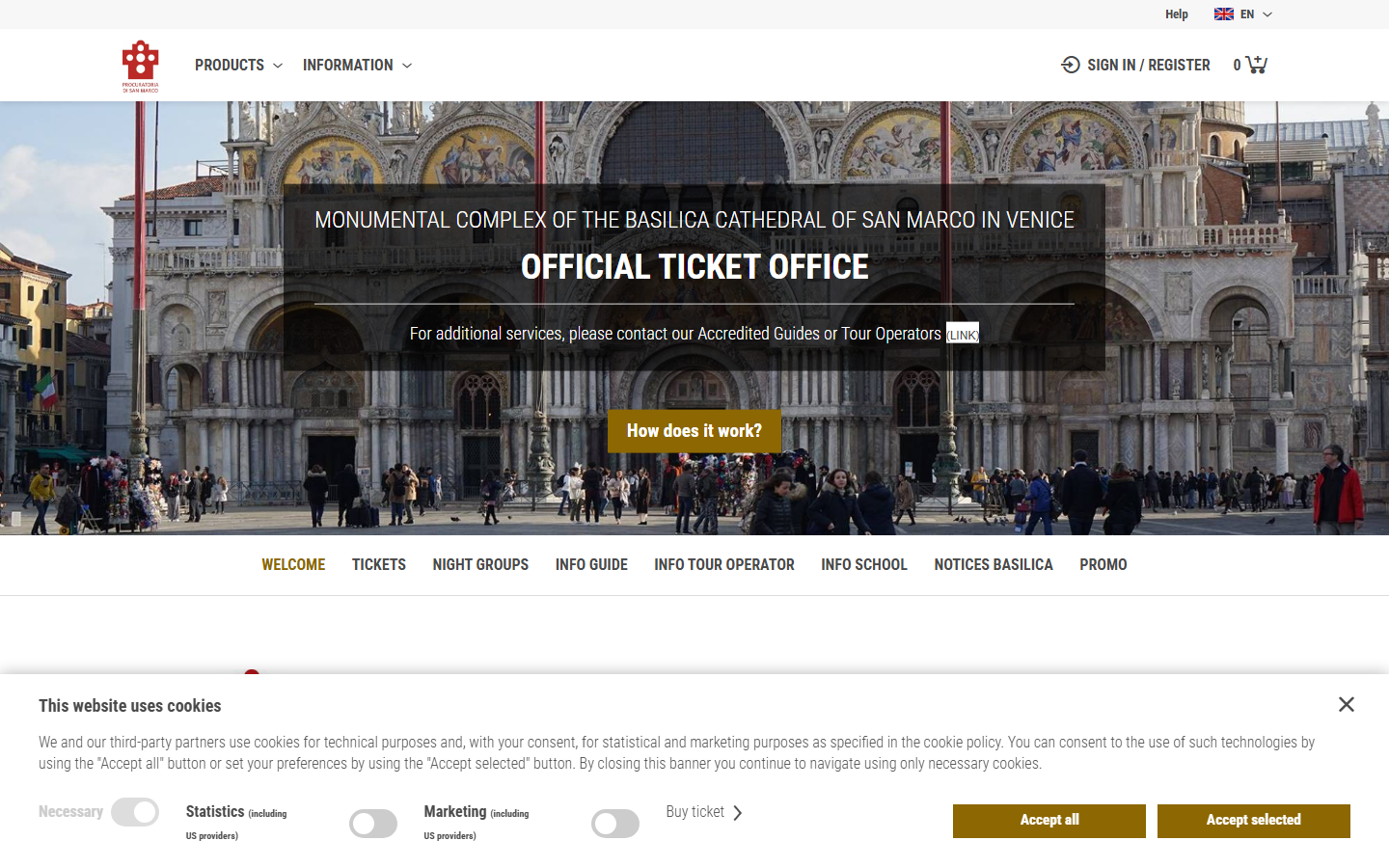
St. Mark’s holds the relics of the Evangelist himself, and the four bronze horses mounted over its main entrance were looted from Constantinople during the Fourth Crusade. Source: Wikipedia, St Mark’s Basilica. The detail most guidebooks haven’t caught up to yet: the Procuratoria di San Marco, working with the Patriarchate of Venice, is in the middle of rolling out a new paid “contribution for St. Mark” ticketing system in 2026 that will progressively open regular access to more than 40 additional churches across Venice using the same ticket, with a target of covering over 45 sacred buildings by the end of the year. Source: St. Mark’s Basilica, Official Ticket Office.
In other words, the free-entry basilica a lot of older trip write-ups describe is actively changing shape this year. Worth checking current hours and admission directly before arrival rather than assuming a free walk-up.
Ten stops for two nights — enough to actually fit, and every fact checked against a primary source before it made the cut. If you’re headed to Venice too, hopefully this saves you some of the same digging.