After Rome (#087) and Venice (#088), the last stretch of the trip is five days at a villa near Cortona, in Tuscany’s Val di Chiana. Five days is a lot more runway than two nights in Venice, so this list doesn’t have to lean quite as hard on logistics — it mixes what’s genuinely walkable from Cortona’s own hilltop with the day trips that are actually reachable from it, rather than trying to cram in every famous name in Tuscany. Same standard as the last two lists: everything below is checked against Wikipedia or an official source, not copied from a listicle. Here’s the countdown.
10. Cortona Itself — Etruscan Walls Still Holding Up the Medieval Ones, and a Real House Behind “Under the Tuscan Sun”
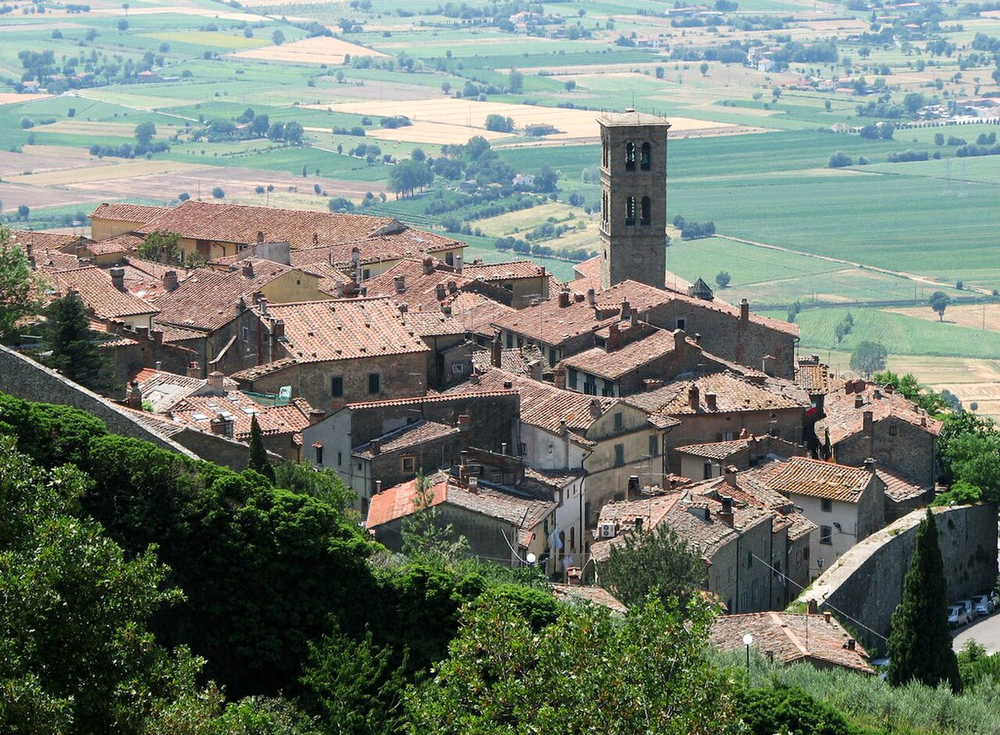
Cortona was already an important member of the Etruscan League by the 8th–7th centuries BC. In the 4th century BC the Etruscans built the roughly 3 km of walls that still encircle the town, along with the “melone” tumulus tombs scattered in the surrounding countryside — parts of that original Etruscan wall are still visible today as the base of the current one. Source: Wikipedia, Cortona.
Just outside the walls sits Villa Bramasole, built in 1504 — the real house Frances Mayes bought and wrote about in her 1996 memoir, and the filming location for the 2003 movie based on it, Under the Tuscan Sun. From Piazza Garibaldi, the town’s panoramic terrace, the view runs straight out over the Val di Chiana to Lake Trasimeno (#8 on this list).
9. MAEC — the Etruscan Bronze Tablet That’s the Third-Longest Etruscan Inscription Ever Found
The Tabula Cortonensis is a 2,200-year-old bronze tablet, inscribed on both sides with a 40-line, roughly 200-word text in the Etruscan language, discovered right in Cortona. It’s the third-longest inscription ever found in Etruscan, after the Liber Linteus Zagrabiensis and the Tabula Capuana, and the longest one discovered in the 20th century. Source: Wikipedia, Tabula Cortonensis.
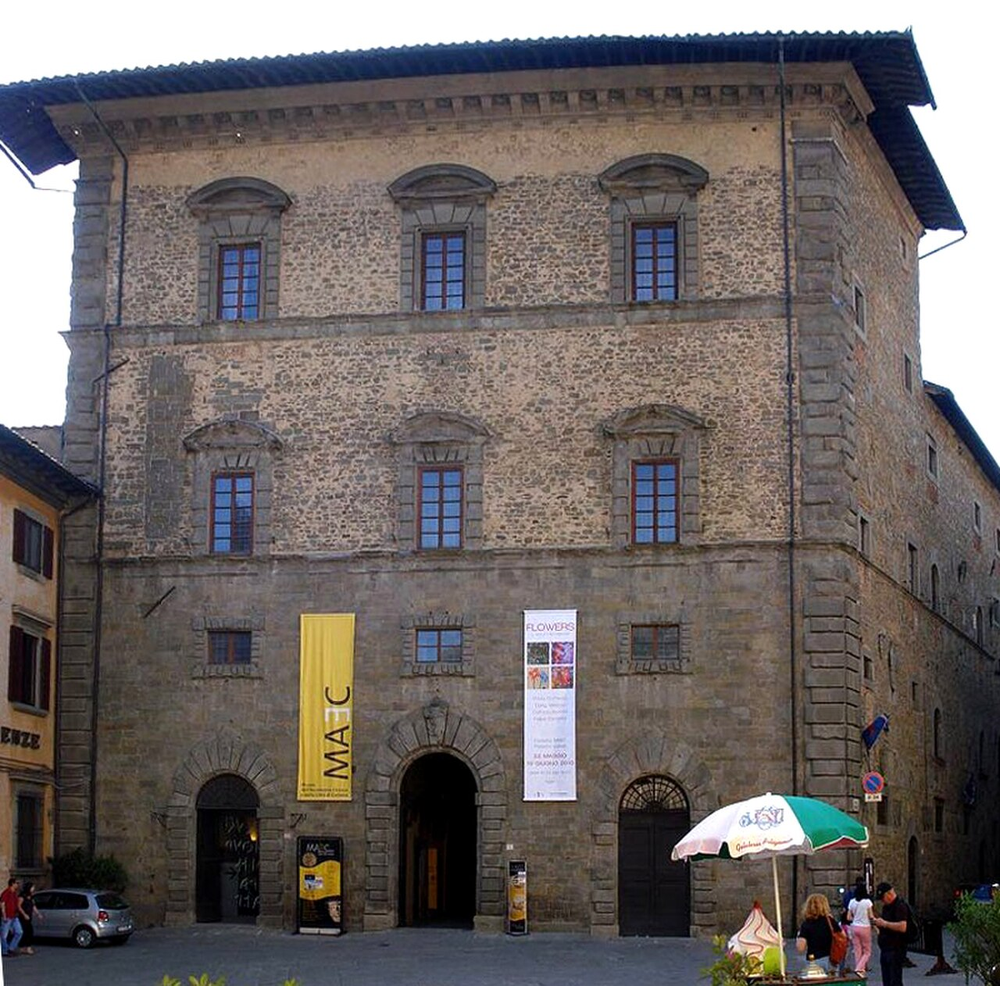
It’s on display in the MAEC (Museo dell’Accademia Etrusca e della Città di Cortona), housed in Palazzo Casali and founded in 1727 from the donated collection of Onofrio Baldelli — one of Italy’s first public museums. The MAEC also holds an Etruscan bronze hanging lamp found near Cortona in 1840. Source: Wikipedia, Museo dell’Accademia Etrusca.
8. Lake Trasimeno — the Site of One of Rome’s Worst Defeats, Visible From Cortona’s Own Terrace
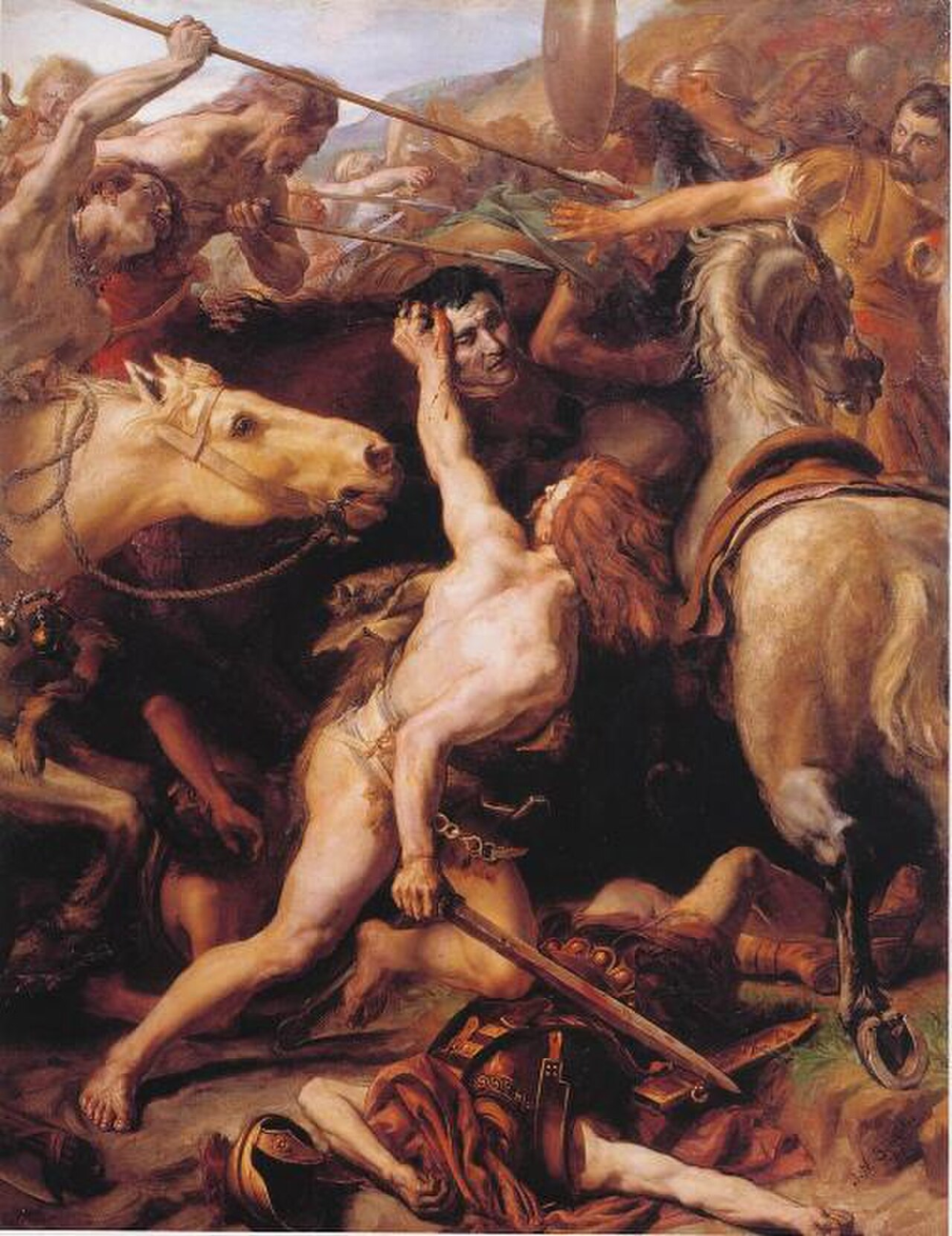
On 21 June 217 BC, Hannibal ambushed a Roman army under Gaius Flaminius on the north shore of Lake Trasimeno, just south of Cortona. With the Carthaginians attacking from the flank and rear in poor visibility, the Romans never formed a fighting line; roughly 15,000 were killed in about three hours, one of Rome’s heaviest defeats of the Second Punic War. Source: Wikipedia, Battle of Lake Trasimene.
The lake itself is technically just over the border into Umbria, but it’s a short drive from a Cortona villa and visible from town on a clear day. The hamlet of Ossaia, near the battlefield, takes its name from the ossuary the dead were piled into afterward — worth knowing before you see it on a road sign.
7. The Chianina — the Cattle Breed Behind Bistecca alla Fiorentina, Raised in Cortona’s Own Valley
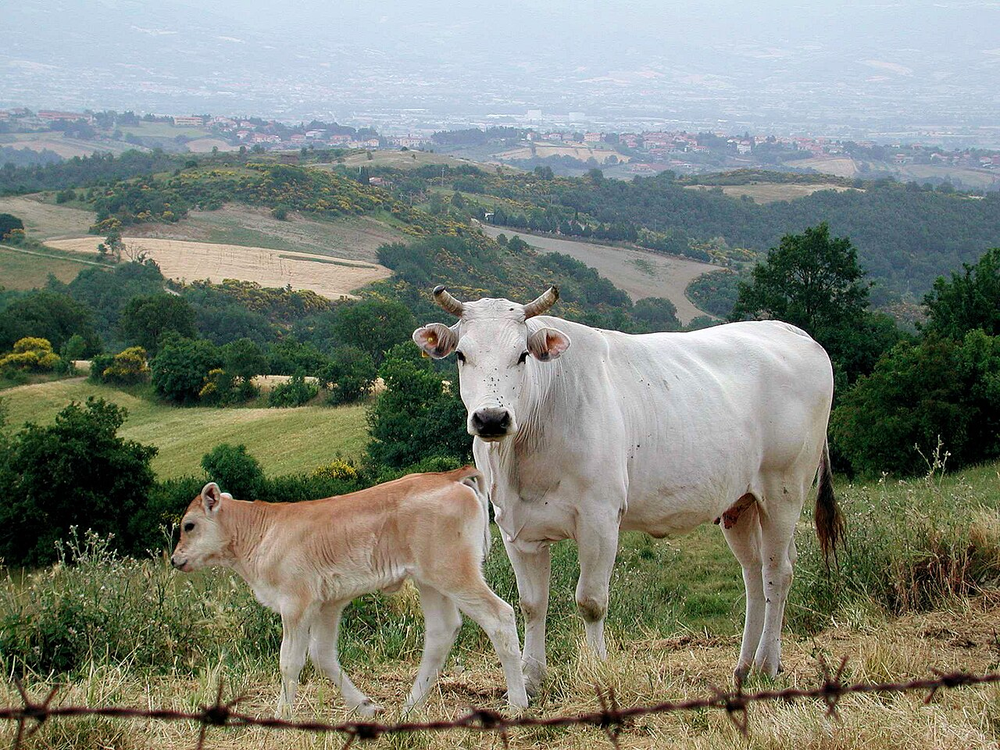
The Chianina is the largest, and one of the oldest, cattle breeds in the world — raised in the Val di Chiana, the valley Cortona itself sits in, for at least 2,200 years. The Roman writer Columella was already describing the region’s huge white oxen around 55 AD. Bistecca alla fiorentina, the giant T-bone steak on every Tuscan menu, is made specifically from Chianina beef. Source: Wikipedia, Chianina.
Chianina oxen still turn up in procession at the Palio di Siena (#1 on this list), pulling the ceremonial cart in the Corteo Storico — a small thread connecting the bottom and the top of this list. A proper bistecca should run at least 1 kg and come out rare; it’s worth ordering at a restaurant out in the valley rather than a tourist-menu spot on Cortona’s main piazza.
6. Montepulciano — Vino Nobile and the Closest of the Big Hill Towns
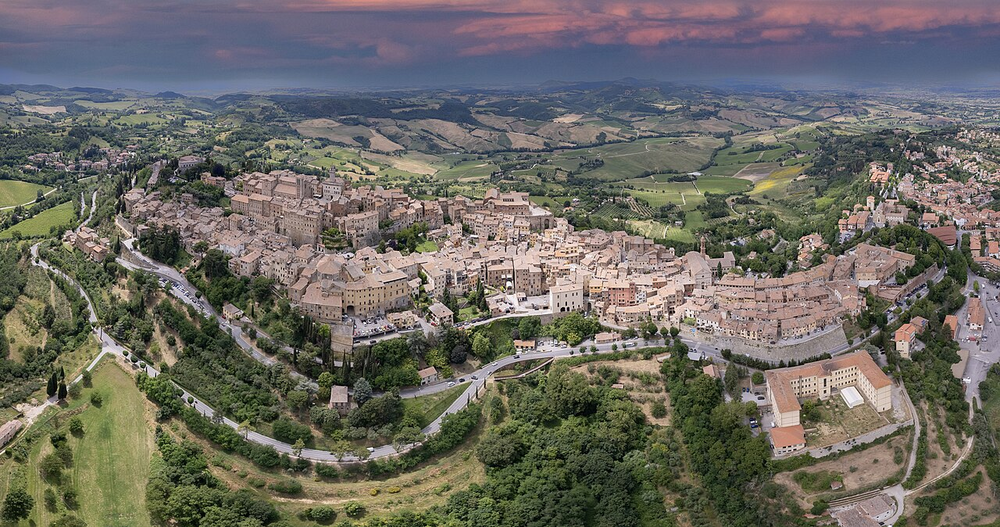
Montepulciano sits on a 605-meter limestone ridge, 13 km east of Pienza (#5 on this list). Its wine, Vino Nobile di Montepulciano, holds DOCG status and ranks alongside Brunello di Montalcino (#4) and Chianti Classico as one of Tuscany’s three principal red wines. Source: Wikipedia, Montepulciano.
It’s the closest of the big hill-town day trips to a Cortona villa — roughly a half-hour drive. Several cellars are dug directly into the tufo rock beneath the historic center, so tastings often happen without ever leaving the old town, and Piazza Grande at the summit looks back out toward Lake Trasimeno.
5. Pienza — a Renaissance Pope’s Hometown, Rebuilt From Scratch as His “Ideal City”
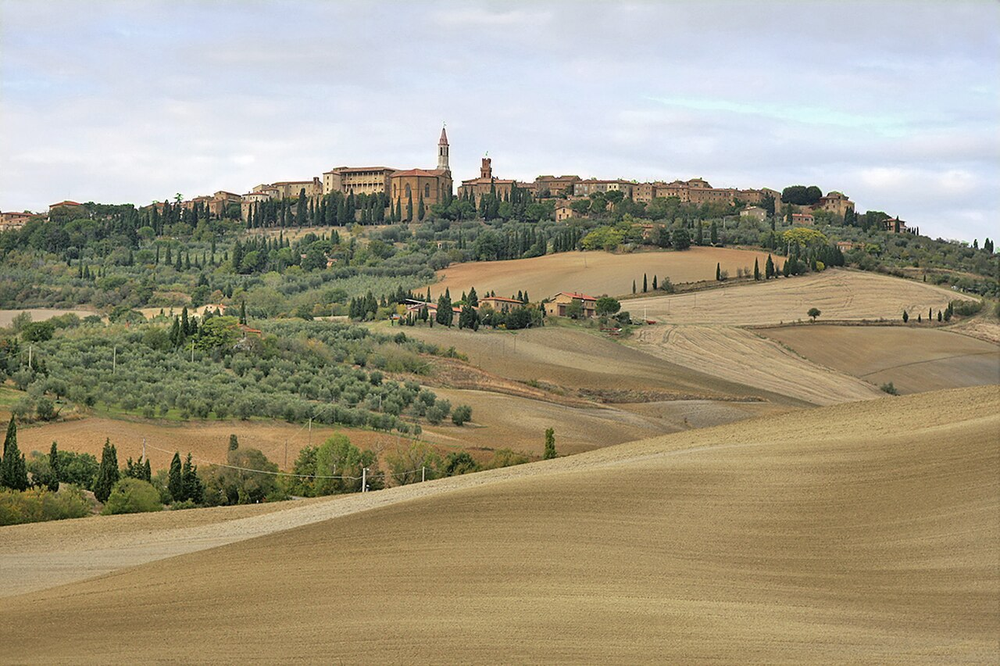
Aeneas Silvius Piccolomini was born in the village of Corsignano in 1405 and later became Pope Pius II. Once elected pope, he had his entire hometown rebuilt as an ideal Renaissance town, renamed it Pienza (“city of Pius”), and consecrated its new Duomo on August 29, 1462. UNESCO declared the town a World Heritage Site in 1996, and in 2004 the surrounding Val d’Orcia was added as a UNESCO World Cultural Landscape. Source: Wikipedia, Pienza.
Pienza is also the source of pecorino di Pienza, a sheep’s milk cheese sold all over the piazza. Since it’s only 13 km from Montepulciano, the two pair naturally into one day.
4. Montalcino — the Hill Town Behind One of Italy’s First Four DOCG Wines
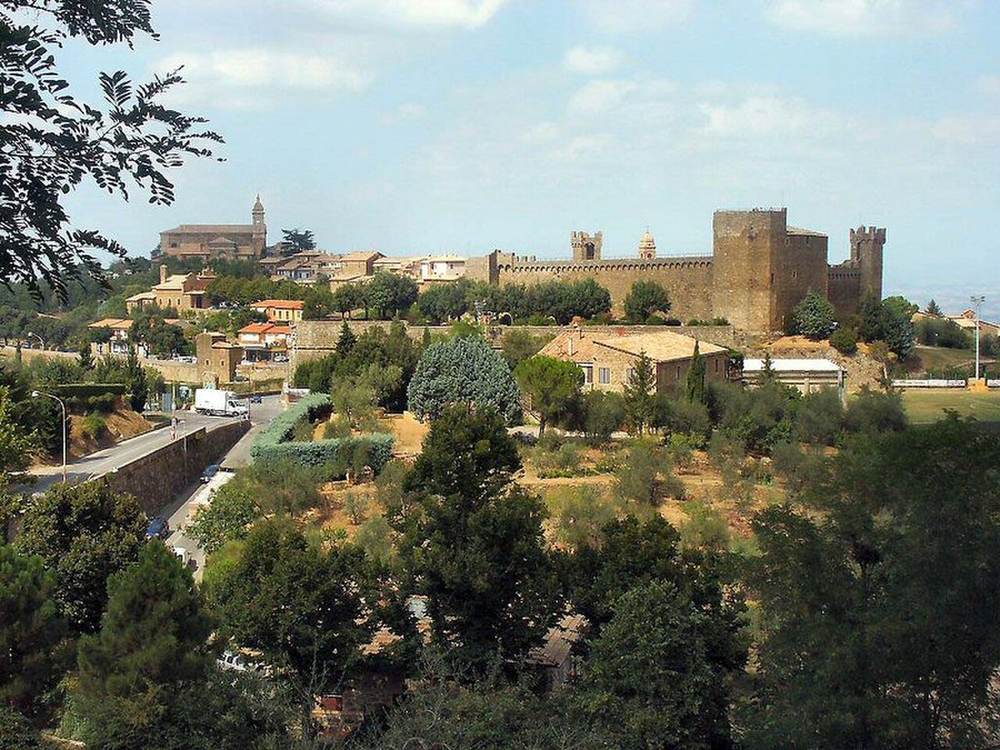
Brunello di Montalcino is made from 100% Sangiovese — locally still called “Brunello” even after an 1879 commission determined it was the same grape variety as Sangiovese elsewhere. In 1980, it was one of the first four Italian wines ever awarded DOCG status, the country’s highest wine classification. Source: Wikipedia, Brunello di Montalcino.
Montalcino sits in the Val d’Orcia, the same UNESCO-listed valley as Pienza, so the drive between the two towns is the cypress-lined, rolling-hills scenery most people picture when they picture Tuscany. It’s the furthest west of the wine-town stops on this list, roughly an hour-plus from a Cortona villa.
3. Arezzo — Piero della Francesca’s Largest Fresco Cycle, Restored Over 9 Years
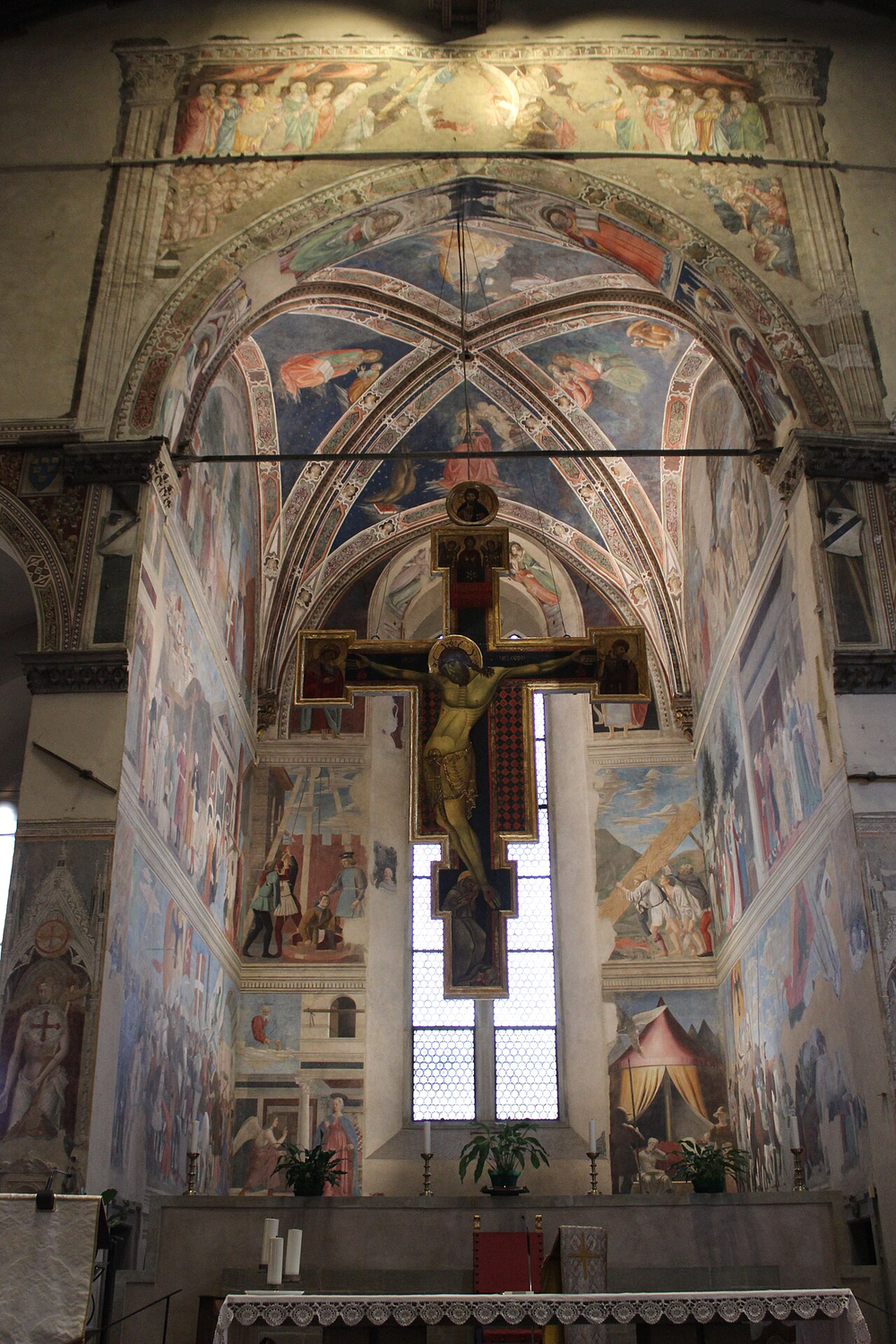
The Legend of the True Cross is a fresco cycle Piero della Francesca painted in the chancel of the Basilica of San Francesco in Arezzo, generally considered his finest work and an early Renaissance masterpiece. He picked up the commission after the original painter, Bicci di Lorenzo, died in 1452 having only finished the vault, and completed the cycle himself by 1466. Source: Wikipedia, The Legend of the True Cross.
An exhaustive restoration of the frescoes ran from 1991 to 2000. Arezzo is about a half-hour from a Cortona villa — close enough to combine with a market-day visit to the town’s old center, which climbs the same hillside the basilica sits on.
2. San Gimignano — 14 Medieval Towers Still Standing Out of an Original 72
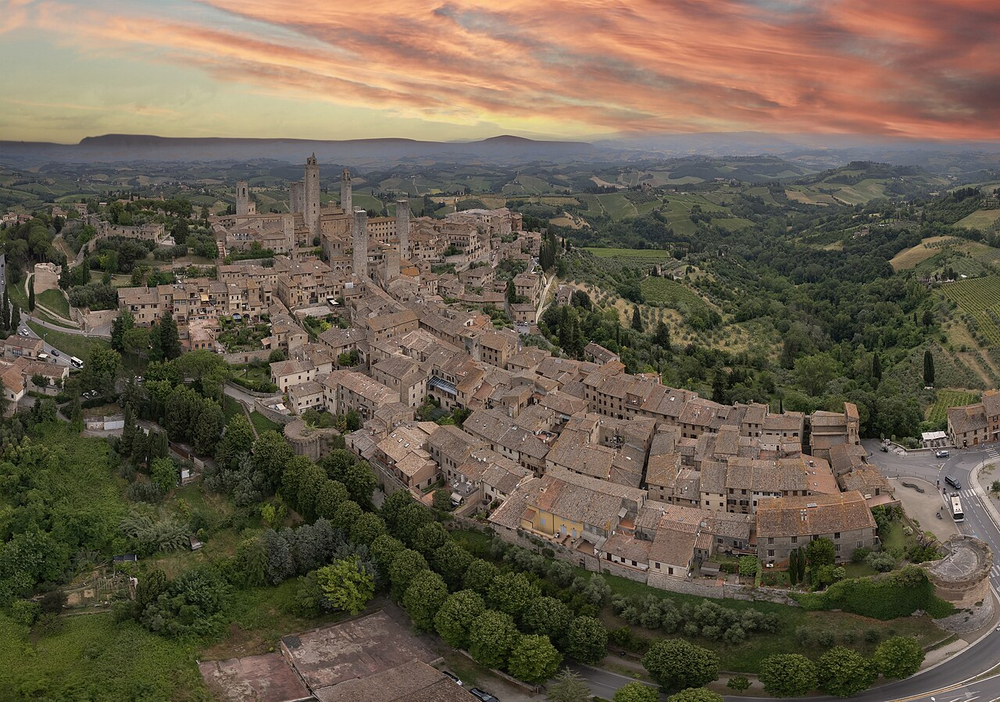
Rival families in medieval San Gimignano competed by building tower houses of increasing height — at their peak, the town had 72 tower houses, some up to 70 meters tall, until the local council capped new construction at the height of the tower beside the Palazzo Comunale. Today 14 towers survive, the tallest being the 54-meter Torre Grossa (1311). The historic center is a UNESCO World Heritage Site. Source: Wikipedia, San Gimignano.
It’s the furthest stop on this list — close to two hours from a Cortona villa — so it only really makes sense as a full day, ideally combined with Siena on the way there or back. Local specialties are Vernaccia di San Gimignano white wine and saffron.
1. Siena’s Palio — a Horse Race Around a Medieval Square Where a Riderless Horse Can Still Win
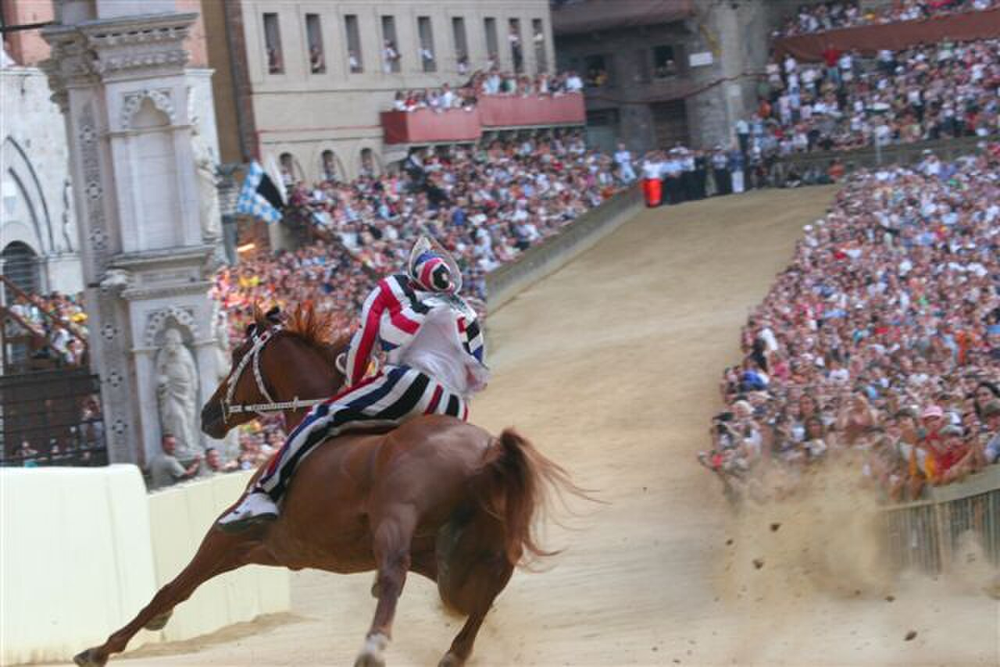
The Palio di Siena is a bareback horse race held twice a year, on July 2 and August 16, in which ten riders representing ten of Siena’s seventeen contrade (city wards) circle the earth-covered Piazza del Campo for three laps, usually finishing in under 90 seconds. Riders are frequently thrown on the piazza’s tight turns, and a horse doesn’t need a rider to win the race — riderless horses have crossed the finish line first. Source: Wikipedia, Palio di Siena.
The most recent Palio ran on July 2, 2026, won by the Aquila (Eagle) contrada with jockey Giovanni Atzeni — its first win since 1992 — which means a villa stay the following week just misses it; the next one isn’t until August 16. Worth checking the actual race calendar before building a special trip around it, though Piazza del Campo itself, a UNESCO World Heritage site since 1995, is worth the roughly hour-plus drive from Cortona any day of the year.
Ten stops for five days, weighted toward what’s actually drivable from a Val di Chiana villa rather than every famous name in Tuscany — and every fact checked against a source before it made the list.